Dr Jason Smithson in Wadebridge, Dr Elaine Halley in Perth and Dr Sahil Patel in London offer three different reasons to consider travelling for cosmetic dentistry. Smithson’s documented work includes direct composite and reconstructive care; Halley’s professional background emphasises smile analysis and digital planning; Patel holds BACD accreditation and works across several cosmetic procedures. The useful question is which of those contributions answers something a closer consultation has left unresolved. A journey is easier to justify when it buys a relevant assessment or a particular approach to care, rather than simply access to a recognisable name.
That decision changes once the proposed treatment requires repeated attendance. A single opinion can be organised around one trip. A course of care must remain workable when there is a review to attend, a temporary stage to check or a question that needs an examination. Choosing a destination therefore involves both a clinical reason to go and an agreement about what happens afterwards.
Start With the Care You Will Need Back at Home
Travel decisions become clearer when continuing care is discussed early. A distant clinician may need to review particular treatment stages personally, while routine health checks may be possible locally. Those are different responsibilities and should be agreed with the people involved. The patient should know which appointments belong to the original plan and who will assess an unexpected concern, rather than assuming that every dentist nearby can take over unfamiliar work. This distinction is reflected in the aftercare advice of the cosmetic dentist Dr. Sahil Patel of MaryleboneSmileClinic, who explains that patients travelling nationally can choose their local dentist for ongoing dental health checks.
That advice does not mean every adjustment can be delegated. A local health check, a review of newly completed work and the investigation of a complication may require different information or expertise. Ask the treating team to explain those boundaries in relation to the proposed care. A brief written account of responsibilities is more useful than a general reassurance that somebody will always be available to help.
It also prevents the return journey from being underestimated. The practice may need to examine a concern that sounded minor in a message. Discuss how it decides between advice at a distance and an appointment, and how urgent contact works outside ordinary booking arrangements. This is planning for the relationship, not a prediction that treatment will necessarily go wrong.
With those arrangements visible, compare the three destinations against the question you need answered. A patient looking for a careful opinion on a damaged front tooth may need a different kind of visit from someone seeking to coordinate several changes. The same train fare can therefore represent either a useful investment in clarity or a costly way to obtain advice that was readily available closer to home.
Jason Smithson in Cornwall for a Focused Restorative Question
Smithson’s own website identifies his base as Wadebridge, Cornwall, and describes cosmetic and reconstructive work involving composite resin, crowns and veneers. Wadebridge Dental also lists him in its current team. Its referral information includes direct composite work and restorative treatment. These details provide a concrete reason to consider him when the question concerns how a damaged or altered tooth might be restored, rather than whether a smile can simply be made brighter.
Take a hypothetical patient in London who has received two substantially different suggestions for a visible front tooth. One proposal is a limited repair, while the other involves a larger restoration. Travelling for an additional opinion could be worthwhile if it helps explain the disagreement and the tradeoffs. The value of that appointment would be the reasoning it adds. It would not depend on leaving Cornwall with treatment booked or assuming that the clinician must favour a particular procedure. Before travelling, describe the unresolved question and ask what existing records are useful. The practice must decide what information it needs and whether an examination is appropriate. Confirm that the appointment is with the clinician whose work prompted the enquiry. If it is an opinion rather than the beginning of treatment, explain that purpose clearly so the discussion and documentation can serve it.
The return trip becomes a separate decision if treatment is proposed. A patient who can comfortably travel once may find a sequence of visits difficult. Ask which stages require attendance in Wadebridge and how much remains provisional before further assessment. Smithson is a relevant candidate because of the field of work documented in his professional information. Whether that relevance outweighs the journey depends on the actual problem, the advice received and the continuing care arrangements.
Elaine Halley in Perth for a Smile That Needs Careful Planning
Halley’s practice biography describes her work in Perth, postgraduate study in restorative and aesthetic dentistry, and teaching in Digital Smile Design. Her published professional activity includes smile analysis and the coordination of treatment planning. This offers a different reason to travel: understanding how several proposed changes fit together before deciding which of them to undertake. It is particularly relevant when the patient cannot yet express the result they want with enough precision to choose a treatment route.
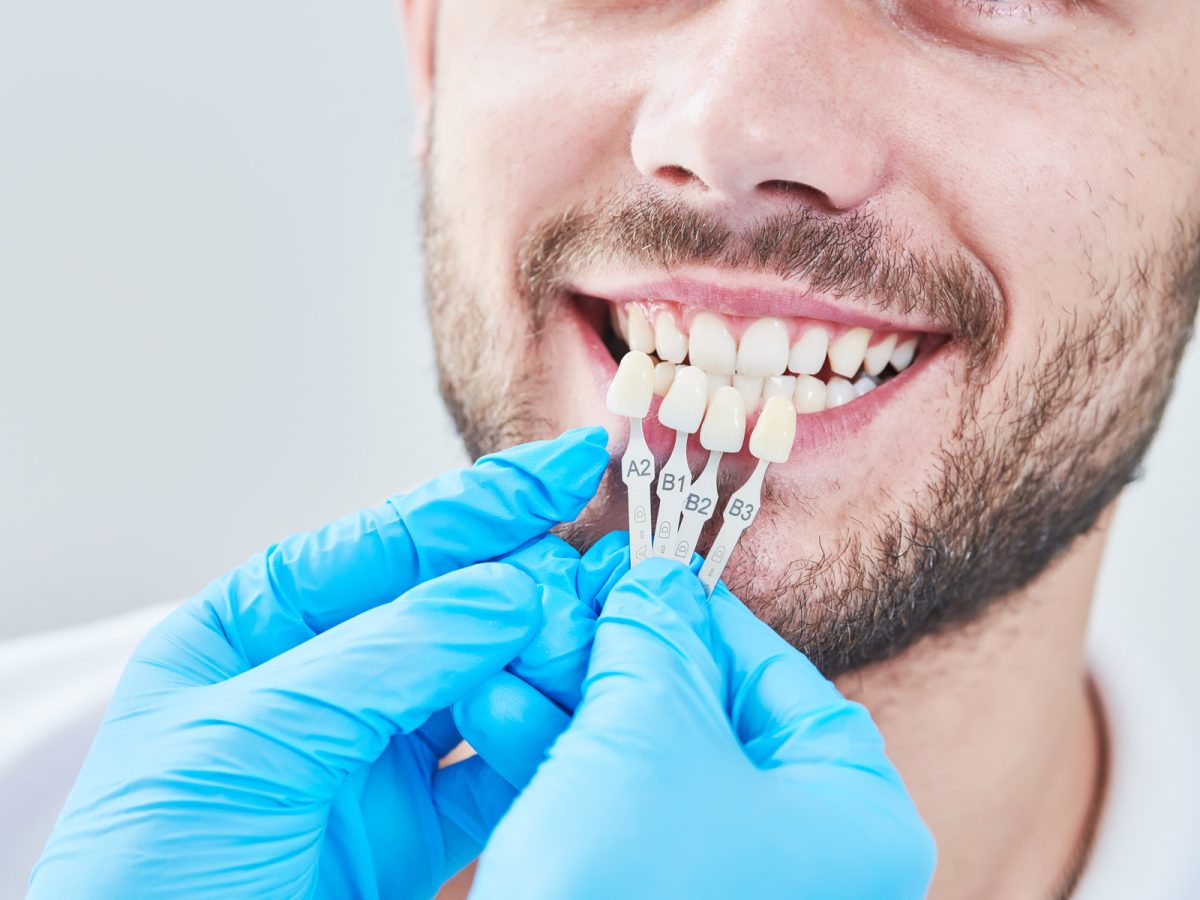
Consider an illustrative case in which someone dislikes the balance of their smile but receives separate suggestions about tooth position, shape and colour. Their difficulty is not choosing a shade from a sample. It is understanding which change contributes most to the desired appearance and how the sequence affects the others. An assessment focused on the relationships between these features may make the decision clearer, including the possibility that some features should remain as they are. When contacting the practice, ask how the consultation explores those preferences and what can be evaluated at the first visit. A design image or trial can support communication, but it still needs to be reconciled with examination findings. The patient should understand what is provisional and when feedback becomes part of the design. There is no need to travel with a fully resolved cosmetic brief; establishing that brief may be the reason for seeking the appointment.
For someone living elsewhere in Scotland, Perth may be a practical regional option rather than a distant destination. For a patient in London, the journey needs a stronger justification, such as a planning question not resolved by nearer assessments. Halley’s documented background gives a basis for that enquiry. The patient then needs to establish whether the benefit is available through one opinion or depends on a course of care requiring repeated attendance at the same practice.
Sahil Patel in London for an Assessed Cosmetic Approach
Patel’s BACD listing confirms Accredited Member status and a Harley Street location. The professional profile describes a range of cosmetic work, including ceramics, contouring, bonding and alignment. For a regional patient considering a broader aesthetic change, this creates a specific basis for enquiring about a London consultation. Accreditation adds relevant evidence about assessed work, while the breadth of the stated activity allows the discussion to begin with the concern rather than a predetermined material.
Imagine a patient who has several satisfactory teeth but dislikes how an older restoration looks beside them. A useful consultation would explain whether the mismatch can be addressed locally within the smile or whether other findings change the options. The fact that a clinician performs extensive makeovers should not make an extensive makeover the assumed answer. Ask how the proposed scope follows from the examination and which existing features would be retained.
London’s transport connections may make this journey convenient for some patients, but the city address is not the clinical reason to choose Patel. That reason is the relevance of his documented cosmetic background to the question being assessed. A direct railway connection can support an otherwise sensible choice; it cannot supply the missing rationale if the same issue has already been adequately resolved by a nearby dentist.
Clarify the purpose of the first appointment before paying for arrangements that cannot easily be changed. A consultation might establish the broad options while leaving records, design work or a further visit necessary. If the assessment leads to a proposal, ask the team to identify the decision points at which you can review new information. Travelling should give you access to that process without creating pressure to commit simply because getting to the practice required effort.
Decide Whether You Are Buying One Opinion or a Treatment Sequence
A second opinion has a defined output: a clearer understanding of an unresolved question. A course of treatment has a different commitment, potentially involving investigations, design, clinical work and reviews. Distinguishing these purposes makes travel planning more realistic. It also reduces the pressure to turn a useful consultation into an immediate purchase. The appointment can be successful even if it confirms a local plan or helps you decide to postpone treatment.
For an opinion, ask how the findings will be communicated and whether a summary can be shared with your regular dentist with your permission. Another clinician still needs to make an independent assessment before accepting responsibility for treatment. A helpful report explains the reasoning, relevant findings and remaining uncertainty, so the next discussion can build on it instead of relying on your recollection of technical terms.
For treatment, work through an ordinary week rather than an ideal travel day. A journey might involve time away from work, accommodation, accessibility arrangements or a companion if the clinical team advises one. Appointment duration and advice about travelling afterwards vary with the procedure and the individual. If sedation is discussed, obtain the team’s specific instructions before making plans; another patient’s account is not a substitute for that advice.
Count the expected visits, then identify which dates and stages remain provisional. A cheap ticket that cannot be changed may be a poor fit for an appointment awaiting clinical confirmation. Compare the cost of the whole likely pattern with the benefit of the clinician’s contribution. This calculation is personal: a journey that is straightforward for one patient may prevent another from attending important reviews. It belongs alongside the clinical recommendation before treatment begins.
Choose a Destination for a Reason You Can State
Smithson is a concrete candidate to investigate for a focused restorative or composite question; Halley offers a documented planning and smile-analysis background; Patel provides a London option with assessed cosmetic accreditation and a broad range of aesthetic work. These are different reasons to travel. None establishes that the destination is automatically superior to a closer clinician, and none removes the need to assess the teeth and agree an appropriate plan.
One patient may obtain enough value from a single opinion to justify crossing the country. Another may prefer to receive treatment close to home after that opinion clarifies the choices. A third may decide that continuity with the distant clinician is worth the repeated journey. Those outcomes are all coherent when the professional roles and practical obligations have been discussed. They become difficult when travel is booked around assumptions about how care will proceed.
Before making the final choice, write down the specific benefit you expect from the appointment. It might be resolving a disagreement about restoration, understanding a design sequence or exploring a cosmetic approach supported by assessed work. If the only benefit you can identify is meeting a famous dentist, reconsider whether the travel adds enough to your decision. If the benefit is clear, use it to keep the consultation focused on what you need to learn.
The clinician worth travelling for is therefore the named person whose relevant contribution remains valuable after the return visits and continuing care have been accounted for. Start with one of these documented areas of experience when it matches your unresolved question. Then let the assessment determine the next step, whether that is treatment at the destination, coordinated care nearer home or simply a better-informed decision to leave the teeth unchanged.