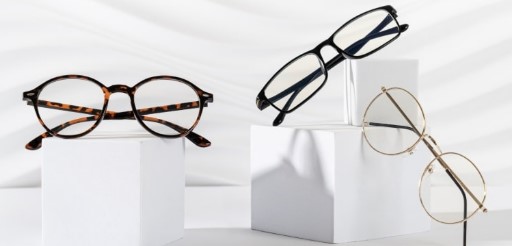
There is a particular comfort in a pair of glasses you do not have to think about. They sit where they should. They suit your face. You can find them half-asleep. That sort of familiarity is hard to replace, even when your prescription moves on.
Frames tend to last. Lenses, less so. And that is where getting glasses reglazed can make a lot of sense.
When the frames are doing their job
If the frame is still structurally sound, the case for keeping it is straightforward. Hinges feel firm. The arms are not fighting your head. Nothing is cracked or bent in a way that changes the fit.
This is often the story with better-made frames, but it can be true of ordinary ones too. Sometimes you simply landed on the right shape, and it has stayed right.
A prescription change does not always mean a new pair
Small changes in vision can make daily life feel subtly off. You might notice it at the end of the day, or when reading menus in low light, or when your eyes feel tired sooner than they used to. None of that requires a new look.
If you already like how your glasses sit on your face, replacing only the lenses is the calmer option. You keep the thing that works and update the part that has become less accurate.
When the lenses have started to show it
Scratches are usually what tip people into action. Not the dramatic sort, just the fine marks that catch headlights or office lighting. Coatings can cloud or wear thin. Glare becomes more noticeable. After a while, you stop trusting what you are seeing.
New lenses can restore that sense of ease. The glasses feel the same. Your vision does not.
A quieter approach to waste
There is no need to make a grand statement out of it, but reusing frames is simply less wasteful than replacing everything. If the frame is not broken, throwing it away can feel unnecessary.
Reglazing sits in the practical middle ground. Not a repair, exactly, but not a full replacement either.
When reglazing is unlikely to be worth it
Sometimes the frame is the problem. If it has never fitted properly, new lenses will not change that. If it is warped, cracked, or flimsy, it may not cope well with the process.
And if the glasses are uncomfortable now, they will still be uncomfortable afterwards.
Let’s get practical
Reglazing is simplest when the frame is in good condition and worth keeping. Some services focus specifically on replacing lenses in existing frames rather than treating it as a side job. That matters. It tends to be the difference between something that feels careful and something that feels rushed.
In the end, this is less about thrift and more about keeping what already works. If your frames still feel like you, it can be a relief to change only what needs changing.