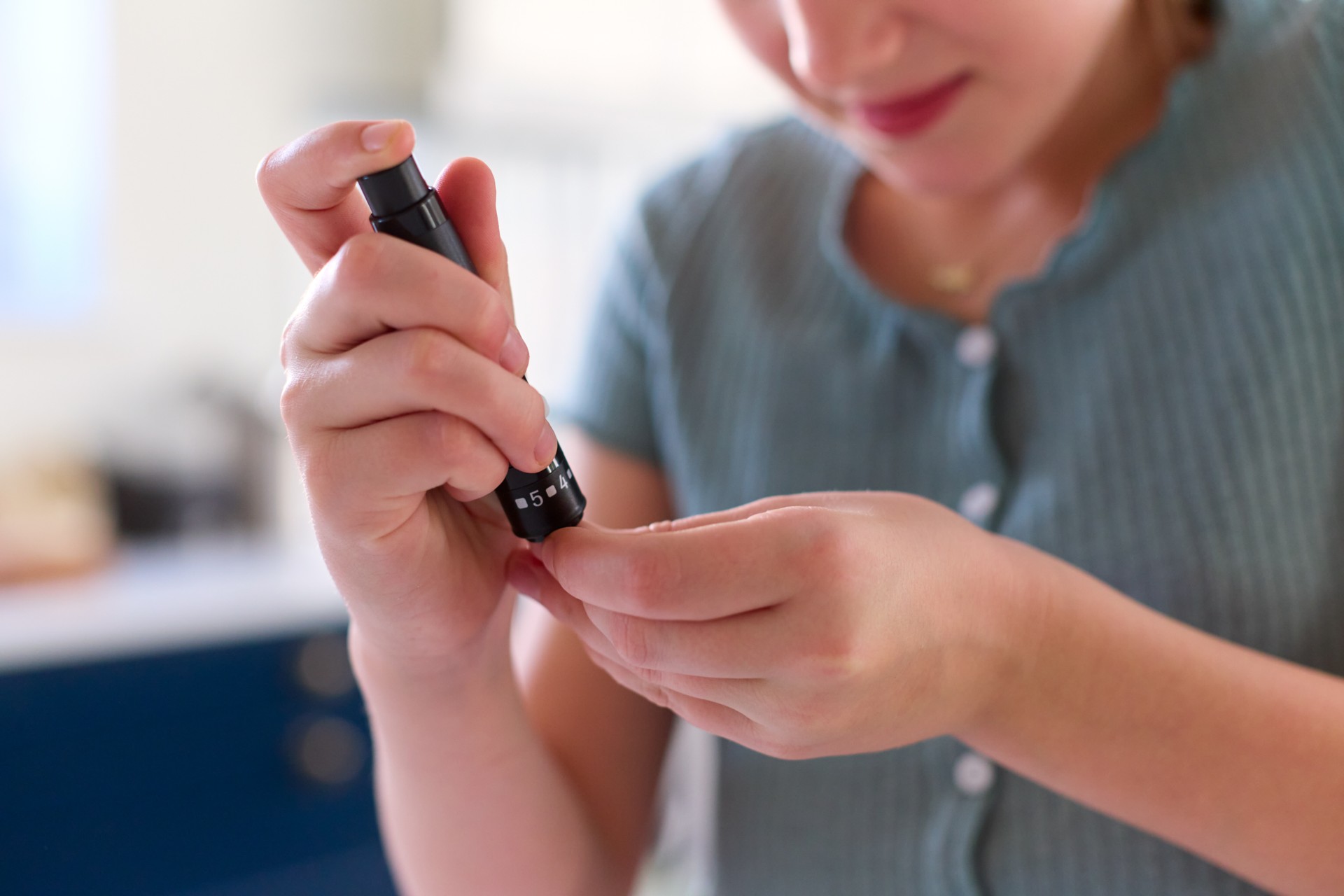
Starting tirzepatide often feels bigger in your head than in reality. People expect fireworks, instant appetite silence, or at least a dramatic moment worthy of a movie montage. In truth, the first injection is usually uneventful. A small needle, a quick press, and then you stare at your stomach waiting for a personality change that never comes.
The medication does not flip a switch. It nudges hormones that regulate hunger and blood sugar. Those signals build gradually. Most patients feel normal for the first day or two. If anything changes immediately, it is usually awareness. You start noticing hunger cues more closely because you are looking for them. The body, meanwhile, proceeds on its own schedule.
Week One: Subtle Shifts
During the first week taking tirzepatide, appetite may soften slightly. Meals feel satisfying sooner, though not dramatically smaller yet. Many people describe a gentle pause halfway through eating, a moment where the brain asks if the plate really needs to be empty. That question did not exist before.
Mild nausea can appear, especially after large or rich meals. The stomach empties more slowly, and it appreciates cooperation. Eating fast now feels like arguing with biology and losing politely. Smaller portions feel comfortable. Heavy dinners feel educational.
Energy levels usually remain steady. Blood sugar changes happen quietly in the background. Some people notice fewer afternoon crashes. Others notice nothing at all yet. Both experiences are normal. The medication builds influence rather than announcing it.
Week Two: The Conversation with Food Changes
By the second week, hunger signals often shift more clearly. Cravings become less urgent. Food still tastes good, but the urgency fades. Many patients realize they can walk past snacks without a negotiation speech in their head. That mental quiet surprises people more than the physical effects.
Digestive adjustment continues. Nausea, if present, often improves as the meal size adjusts. Hydration helps. Slower eating helps even more. The medication rewards patience. Rushing meals tends to produce reminders you did not request.
Weight changes may begin here, though not always dramatically. Some people notice a small drop. Others notice clothes fitting differently before the scale cooperates. The body recalibrates fluid balance early, and numbers can lag behind behavior.
Week Three: Routine Takes Over
The third week usually feels less like an experiment and more like a routine. Injections become ordinary. The anticipation fades. Appetite control feels consistent across the day rather than appearing randomly. Breakfast no longer dictates lunch decisions.
Portion awareness becomes automatic. You stop planning restraint and simply experience fullness sooner. Social meals remain manageable because you can eat slowly and still feel satisfied. Many patients report that the mental effort around food decreases more than the food itself.
Side effects often settle here. If nausea existed, it usually softens. Constipation can occur for some, mainly because intake drops. Fluids and fiber restore balance. The body prefers gradual change, and by now it begins trusting the pattern.
Week Four: Early Patterns Emerge
By the end of the first month, patterns appear. Hunger is quieter. Blood sugar readings improve for those monitoring them. Weight loss varies, but behavior shifts almost universally. Meals feel deliberate instead of reactive.
The biggest surprise for many is not how little they eat but how little they think about eating. The background noise fades. Decisions feel calmer. Patients often describe it as space opening up in their day where food planning once lived.
Follow-up visits usually occur around this time. Doses may increase slowly depending on tolerance and goals. The gradual approach protects comfort and effectiveness. Faster escalation rarely improves outcomes and usually improves nausea.
The Takeaway
The first month on tirzepatide is less dramatic than expected and more meaningful than predicted. Changes arrive quietly, layer by layer. Appetite softens, habits adjust, and the body adapts without spectacle.
Instead of a sudden transformation, most patients experience a steady recalibration. You remain yourself, just with a quieter appetite and fewer negotiations with the pantry. For a medication working through hormones rather than force, that subtlety is exactly the point.