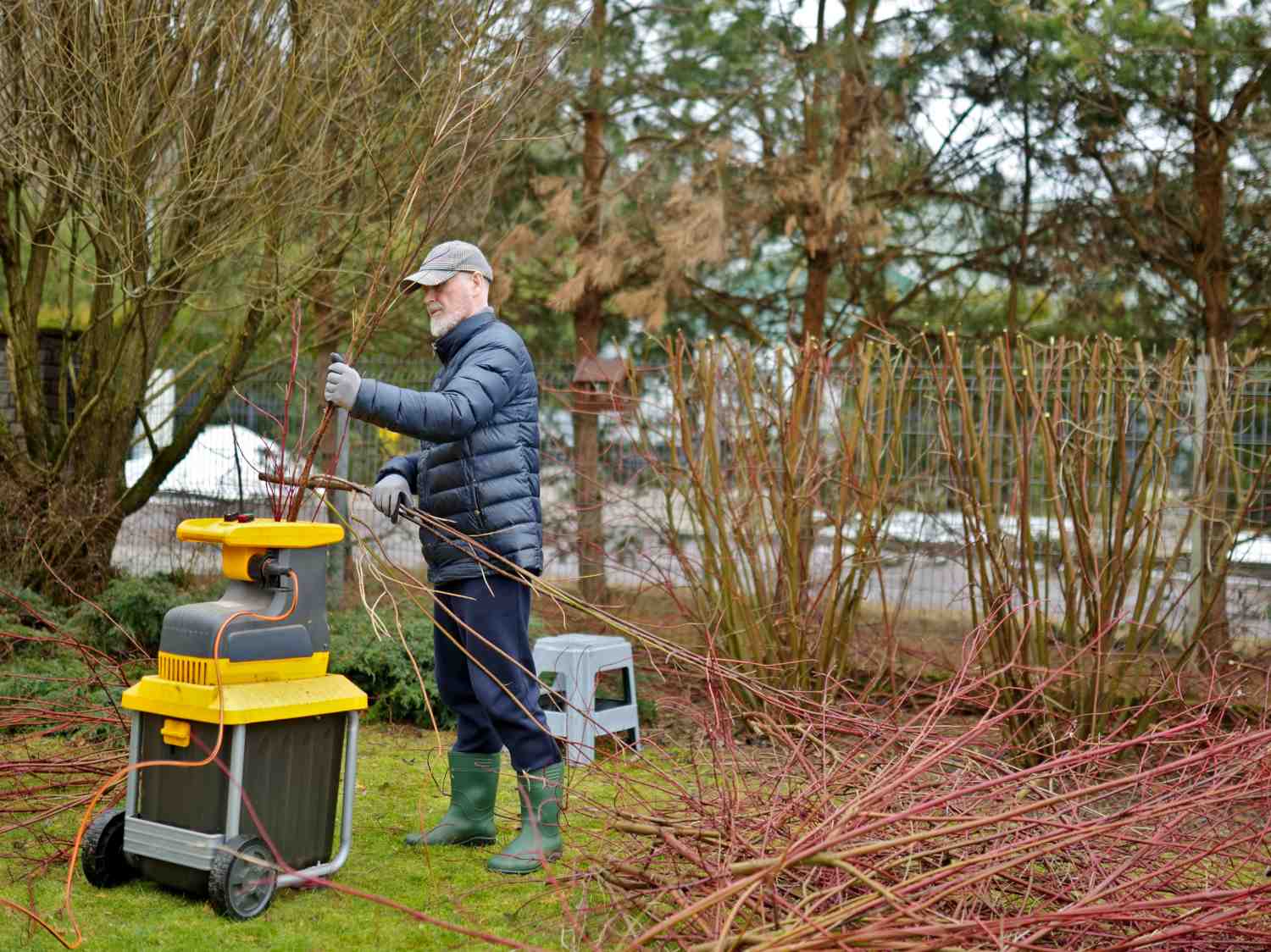
To keep a neat and functional garden, you may need more than just your usual tools. If you have a house or love gardens, then you appreciate how troubling it can be to deal with fallen branches, twigs, and other kinds of debris. This is where the wood chipper comes in handy.
Breaking down garden waste into smaller bits that are manageable using a wood chipper becomes an easy task. However, with the many alternatives available today in the market, this is not always easy.
After going through this guide on how to choose good wood chippers, you will know everything that needs to be known, thus making an informed decision regarding the best equipment for your outside space.
Understanding the Types of Wood Chippers
In different types, there are various chippers built to take care of certain types of garden litter. Electric, gas-powered, and PTO (power take-off) chippers are among those most seen.
Electric ones are light weight and easy to maneuver, hence ideal for small or medium-sized gardens where noise produced is minimal compared to others. On large properties or estates with heavy debris, gas-powered ones become more effective because they are stronger than average models available.
PTO chippers come into play for someone who already owns a tractor yet wants something heavy-duty machinery designed for use in extensive gardening work in their homes. This way people think they have some information at hand, but they do not really have any clue on what type of machine they should look out for when making purchase decisions concerning these machines.
Measuring the Size of Your Garden and its Requirements
It is also essential to consider the size of your garden as well as the kind of waste that you usually deal with before buying a wood chipper. Electric wood chipper may be suitable, for instance, if you have a small garden and debris like leaves as well as small branches.
Gas-powered chippers are better suited for big gardens or properties with many trees. Additionally, consider how often it will be used—iif only for seasonal clean-ups, then go with cheaper models.
The Significance of Safety Features
Safety should always take precedence when selecting a wood chipper. Look out for models that possess key safety features, including automatic shut-off, safety shields, and emergency stop buttons.
Such additions protect you from accidents while ensuring safe use.
Moreover, make sure to follow any manufacturer guidelines on safety and put on protective clothing whenever operating a wood chipper.
Appraising the Leaf Blower as a Supplemental Tool
Furthermore, an integral leaf blower is another vital asset for maintaining cleanliness and orderliness in your garden. The leaf blower help you to clear any remaining leaves or debris after chipping branches and twigs, leaving you with a clean garden.
While picking a wood chipper, go for models that offer integration or compatibility with a leaf blower. Some wood chippers come with a leaf blower attachment, which means that you can perform two functions using one machine. This makes sure that you not only save time, but it also enhances your garden maintenance efficiency.
Power and capacity considerations
When selecting a chipper, power and capacity are key factors to be considered. For example, energy is usually measured either in horsepower (HP) or kilowatts (kW), which shows how well the chipper deals with heavy materials.
However, capacity indicates the maximum diameter of branches that can be processed by the chipper. For home gardens that have moderate amounts of debris, typically a 5-10 HP engine coupled with a 2–3-inch capacity wood chipper should suffice. However, if there are larger trees and greater sums of waste involved, then higher power and capacity may be necessary on a chipper.
Budget and Maintenance
Finally, think about your budget and the maintenance of the wood chipper. It may be tempting to go for the cheapest model on offer, but buying a good-quality chipper can save you money in the long run due to lower repair costs.
Furthermore, it is important to have regular maintenance on these devices so that they always remain in their best condition.
For easy cleaning and maintenance purposes, see whether there is convenient access to its blades and engine in case of any routine procedures. These parts should also be considered for purchase alongside other tools like leaf blowers.
Final Thoughts
The selection of an appropriate wood chipper depends upon several things, such as the type of chipper-use, garden size safety features, power output capacity requirements, and how much you are willing to spend on it. Also, do not forget that this should be supplemented by a trusted leaf blower so as not to make your garden look untidy or dirty due to dumped leaves. Therefore, understanding what you need and finding out what is available will enable you to buy a woodchipper, which will serve for many years, hence making gardening quite simple throughout.