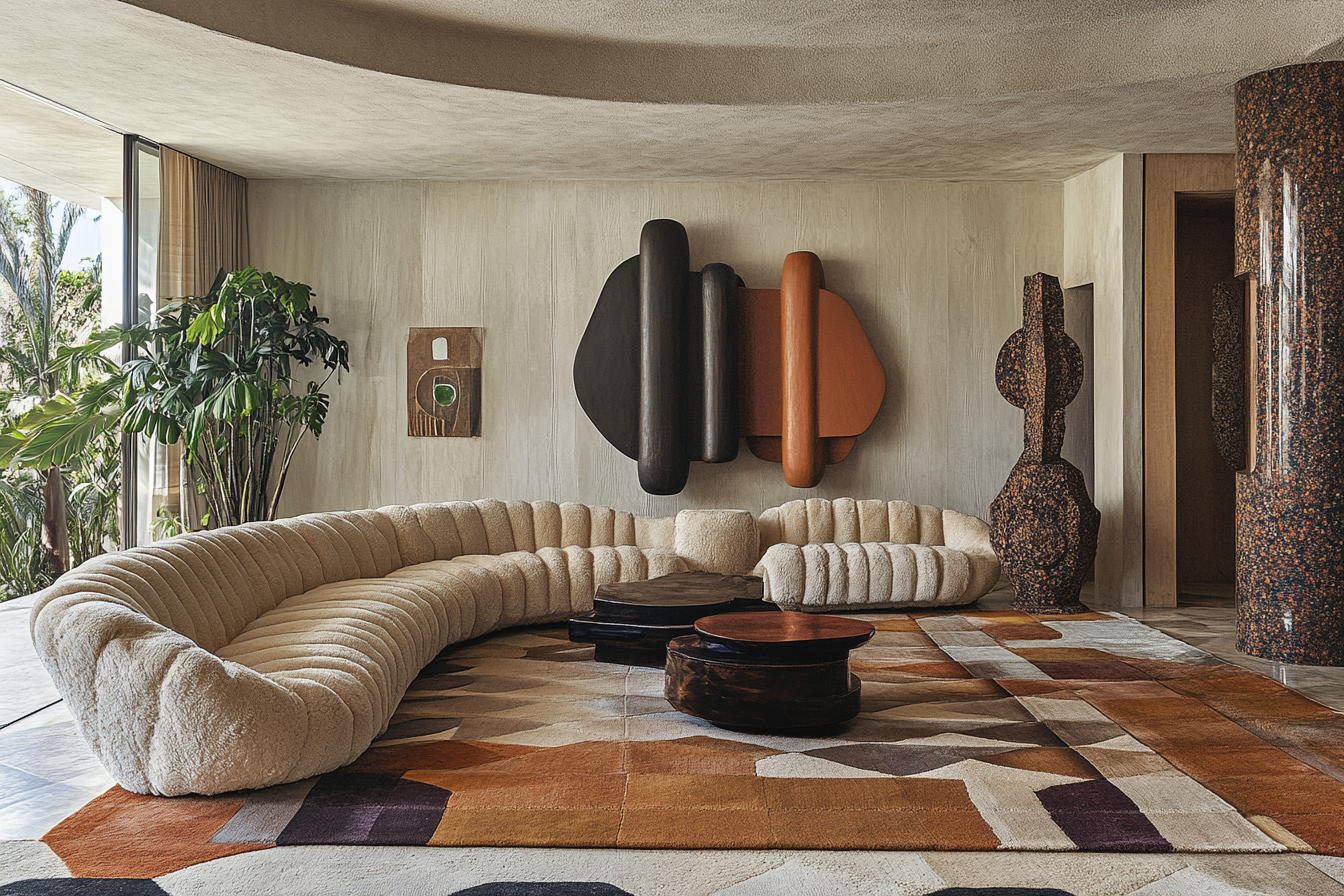
Wall art is one of the most powerful elements in interior design, capable of turning a plain room into a visually captivating and emotionally engaging environment. Whether it is a cozy home, a modern office, or a commercial setting, the right wall décor enhances mood, reflects personality, and defines the overall atmosphere of a space. From traditional paintings and framed prints to contemporary canvas art and photo displays, wall art offers endless opportunities for creativity and self-expression.
Understanding the Importance of Wall Art in Interior Design
Wall art is more than just decoration; it acts as a visual storyteller that communicates taste, values, and lifestyle. A thoughtfully chosen piece can anchor a room, add depth, and create a focal point that draws attention instantly. Interior designers often use wall art to balance proportions, introduce color palettes, and create harmony among furniture and décor elements. In living rooms, statement artwork can establish elegance and warmth, while in bedrooms it can bring calmness and serenity. Offices benefit from motivational or abstract pieces that stimulate productivity and creativity. Without wall art, even the most stylish interiors can feel incomplete or impersonal.
Types of Wall Art for Different Aesthetic Preferences
Wall art comes in countless styles and formats, allowing individuals to match décor with personal taste. Canvas prints are widely popular for their texture and gallery-like appeal, offering a sophisticated yet versatile option suitable for both classic and contemporary interiors. Framed photographs add a personal touch, especially when showcasing family memories or travel moments. Metal prints provide a sleek, modern look, often used in industrial or minimalist spaces. Posters and graphic prints are excellent for vibrant and youthful décor themes. Meanwhile, wall sculptures and 3D installations introduce dimension and uniqueness, turning walls into artistic showcases. Choosing the right type depends on the room’s purpose, color scheme, and desired emotional impact.
Choosing the Right Size and Placement for Maximum Impact
The size and placement of wall art significantly influence how it interacts with the room. Oversized artwork creates a dramatic focal point and works well in spacious living areas or above large furniture pieces like sofas and beds. Smaller artworks, when grouped in a gallery-style arrangement, add visual interest and storytelling charm. Placement at eye level is generally recommended to maintain natural viewing comfort, but creative variations can add character. For example, a large vertical piece can make ceilings appear higher, while horizontal artworks can visually widen a narrow space. Proper spacing between multiple pieces ensures balance and avoids a cluttered appearance.
Color Psychology and Its Role in Wall Art Selection
Colors in wall art can subtly affect mood and perception, making color psychology an essential factor in selection. Warm tones like reds, oranges, and yellows evoke energy, passion, and excitement, making them suitable for social spaces such as living rooms or dining areas. Cool tones like blues, greens, and purples promote relaxation and calmness, ideal for bedrooms or reading corners. Neutral tones like black, white, and beige offer versatility and timeless elegance, seamlessly blending with most décor themes. By aligning artwork colors with the room’s purpose and ambiance, homeowners can create spaces that feel both harmonious and emotionally engaging.
Popular Wall Art Trends in Modern Homes
Modern wall art trends emphasize personalization, minimalism, and bold visual statements. Abstract art continues to dominate contemporary interiors due to its interpretive nature and striking visual appeal. Nature-inspired prints featuring landscapes, botanical illustrations, and wildlife bring a refreshing and organic feel to indoor environments. Typography art with inspirational quotes has gained popularity, especially in workspaces and creative studios. Gallery walls combining multiple frames of varying sizes and themes are another growing trend, allowing homeowners to display diverse stories and memories in a cohesive layout. Additionally, monochrome art styles are increasingly favored for minimalist interiors, offering sophistication without overwhelming the décor.
Creating a Personalized Space with Meaningful Artwork
Personalized wall art is one of the most effective ways to make a space truly unique. Displaying travel photos, custom illustrations, or artwork that holds sentimental value can transform a house into a home filled with memories and meaning. Personalized art also serves as a conversation starter, giving guests insight into personal experiences and interests. It reflects individuality and allows homeowners to curate their surroundings in a way that feels authentic and emotionally connected. By choosing artwork that resonates personally rather than simply following trends, individuals can create interiors that remain timeless and deeply meaningful.
Incorporating Wall Art into Different Rooms
Each room in a home has its own functional and emotional purpose, and wall art should complement that role. In living rooms, large statement pieces or gallery walls create a welcoming and stylish atmosphere. Bedrooms benefit from calming artwork, such as soft landscapes or abstract pieces in muted tones, which promote relaxation. Kitchens can feature playful food-themed prints or minimalist designs that add character without overwhelming the space. In hallways and staircases, a sequence of framed artworks can guide movement and create visual continuity. Bathrooms, often overlooked, can be enhanced with moisture-resistant prints or simple graphic art that adds charm to small spaces.
Budget-Friendly Ways to Decorate with Wall Art
Decorating with wall art does not always require a large budget. DIY art projects, printable downloads, and framed photographs offer affordable yet impactful options. Repurposing old frames with new prints can instantly refresh a room’s look. Creating a gallery wall using personal images or inexpensive art prints allows for a stylish arrangement without significant expense. Additionally, rotating artwork seasonally can keep interiors feeling fresh and updated without purchasing new pieces frequently. These cost-effective approaches make wall art accessible to everyone, regardless of budget.
A Brand Perspective: Enhancing Home Décor with WallPics
When it comes to modern and customizable wall décor solutions, many homeowners look for convenient and stylish ways to display their memories and favorite designs. WallPics provides an innovative approach to transforming personal photos into elegant wall displays that are easy to arrange and rearrange. The concept focuses on blending creativity with flexibility, allowing users to experiment with layouts without damaging walls. By offering versatile photo tiles and decorative options, WallPics helps individuals personalize their living spaces in a seamless and visually appealing way, making wall decoration both functional and expressive.
Maintaining and Updating Wall Art Over Time
Wall art should evolve with changing tastes, seasons, and lifestyle updates. Rotating artwork periodically can refresh the overall ambiance without requiring major redecorating. Seasonal themes, such as warm-toned art for autumn or bright floral prints for spring, keep interiors dynamic and engaging. Proper maintenance is equally important; framed prints should be cleaned gently, and canvas artworks should be protected from direct sunlight and moisture to prevent fading or damage. By caring for wall art and updating it occasionally, homeowners can ensure their spaces remain vibrant and visually inspiring for years to come.
FAQ
What is the best type of wall art for small rooms?
For small rooms, lightweight and minimalistic wall art such as framed prints, small canvas pieces, or simple graphic designs work best. These options enhance the décor without making the space feel crowded, while strategically placed artwork can even create the illusion of a larger room.
How high should wall art be hung?
Wall art is typically hung at eye level, which is around 57–60 inches from the floor to the center of the artwork. This ensures comfortable viewing and balanced visual alignment with furniture and surrounding décor.
Can wall art affect mood?
Yes, wall art can significantly influence mood. Bright and warm-colored artwork energizes a space, while cool-toned or nature-inspired pieces create a calming and relaxing atmosphere, making them suitable for bedrooms and quiet areas.
How do I create a gallery wall?
To create a gallery wall, choose a cohesive theme or color palette, mix different frame sizes, and arrange them on the floor first to test the layout. Maintain equal spacing between frames for a balanced and organized appearance.
Is personalized wall art better than generic art?
Personalized wall art often feels more meaningful and emotionally engaging because it reflects personal experiences, memories, and preferences. However, generic art can still be highly effective if it aligns well with the room’s theme and design style.
Conclusion
Wall art plays a vital role in shaping the visual identity and emotional atmosphere of any interior space. It serves as both a decorative element and a medium of personal expression, allowing individuals to communicate their style, memories, and creativity through carefully selected pieces. From choosing the right size and placement to understanding color psychology and exploring modern trends, every aspect of wall art contributes to creating a harmonious and captivating environment. Personalized artwork adds authenticity and warmth, while budget-friendly solutions make stylish décor accessible to everyone. As homes continue to evolve into personalized sanctuaries, wall art remains a timeless and adaptable design tool that enhances both aesthetics and emotional comfort. By thoughtfully incorporating meaningful pieces and maintaining them over time, anyone can transform ordinary walls into extraordinary visual stories that enrich everyday living.