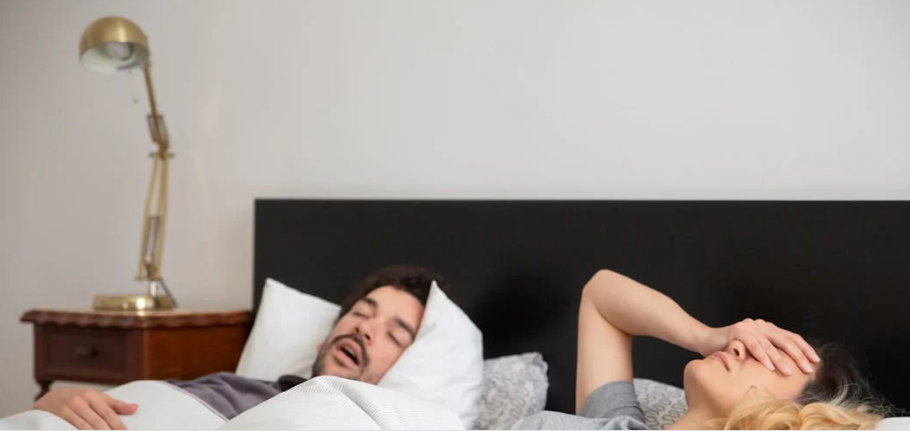
Understanding the Difference Between Snoring and Sleep Apnea
Most people assume that snoring is harmless, but sometimes, it can indicate a more serious health condition. While occasional snoring is common, frequent and loud snoring may be a sign of obstructive sleep apnea (OSA), a condition that disrupts breathing during sleep.
How Snoring Happens
Snoring occurs when the flow of air through the mouth and nose is partially blocked during sleep, causing the surrounding tissues to vibrate. Factors like nasal congestion, sleep position, and even alcohol consumption can contribute to snoring. However, when snoring is accompanied by pauses in breathing, it could indicate sleep apnea.
What Is Sleep Apnea?
Sleep apnea is a serious sleep disorder in which breathing repeatedly stops and starts during sleep. The most common type, obstructive sleep apnea, occurs when the throat muscles intermittently relax and block the airway. Symptoms of sleep apnea include:
- Loud, persistent snoring
- Gasping or choking during sleep
- Frequent awakenings
- Morning headaches
- Excessive daytime sleepiness
If left untreated, sleep apnea can lead to severe health problems such as high blood pressure, heart disease, and stroke.
Is All Snoring Related to Sleep Apnea?
Not all snoring indicates sleep apnea, but it’s a potential red flag. The key difference is that snoring from sleep apnea is often accompanied by other symptoms like choking, gasping for air, or waking up feeling unrefreshed. Simple snoring, on the other hand, does not involve airway obstruction that leads to interrupted breathing.
Signs Your Snoring Could Be Sleep Apnea
1. Loud Snoring That Disrupts Others
If your snoring is loud enough to disturb your partner’s sleep or can be heard from another room, it may be more than just regular snoring. Persistent snoring is one of the hallmark signs of sleep apnea.
2. Gasping or Pauses in Breathing
Frequent pauses in breathing, choking, or gasping during sleep are clear indicators of obstructive sleep apnea. These interruptions can occur multiple times per hour, reducing oxygen levels in the blood.
3. Excessive Daytime Fatigue
Feeling excessively tired during the day, even after getting a full night’s sleep, may indicate that your sleep is being interrupted. Sleep apnea prevents you from reaching the deep, restorative stages of sleep, leaving you tired and groggy throughout the day.
4. Morning Headaches and Dry Mouth
Frequent headaches upon waking or a dry mouth could be linked to poor sleep quality due to sleep apnea. Reduced oxygen levels during the night can lead to morning headaches, while mouth breathing can cause dryness.
Managing Snoring and Sleep Apnea
Lifestyle Changes to Reduce Snoring
If you suspect that your snoring is related to sleep apnea, there are steps you can take to improve your symptoms. Some lifestyle modifications include:
- Weight management: Reducing weight can decrease fatty tissues around the neck, easing airflow.
- Sleeping position: Sleeping on your side instead of your back can help prevent airway obstruction.
- Avoiding alcohol and sedatives: These substances relax the throat muscles, making snoring worse.
Using Air Purifiers and Humidifiers
An air purifier can help reduce allergens in your bedroom, which might contribute to snoring. Similarly, a humidifier adds moisture to the air, which can ease congestion and improve airflow.
Seeking Medical Help
If you suspect that your snoring might be a sign of sleep apnea, experts at Nuffield ENT recommend consulting a healthcare provider or a sleep specialist. They may suggest a polysomnography (sleep study) to monitor your breathing patterns, oxygen levels, and overall sleep quality.
Treatment Options for Sleep Apnea
Continuous Positive Airway Pressure (CPAP) Therapy
CPAP is the most common and effective treatment for obstructive sleep apnea. It involves wearing a mask that delivers steady air pressure, keeping the airway open.
Oral Appliances and Surgery
For mild to moderate cases, a dental device that repositions the lower jaw can help. In severe cases, surgery may be needed to remove excess tissue or reposition the jaw.
Conclusion
Snoring is often dismissed as a minor inconvenience, but it can be a sign of a deeper issue like sleep apnea. By understanding the symptoms and seeking timely treatment, you can improve your sleep quality and overall health.
FAQs
- Can snoring without pauses still indicate sleep apnea?
Yes, while snoring without pauses is less likely to be sleep apnea, it could still indicate partial obstruction. Monitoring other symptoms like choking or excessive daytime sleepiness is crucial. - How can I tell if my snoring is due to sleep apnea?
Look for signs such as gasping for air, pauses in breathing, morning headaches, and fatigue. A sleep study can provide a definitive diagnosis. - Are there natural remedies to reduce snoring?
Yes, lifestyle changes like maintaining a healthy weight, avoiding alcohol, and using air purifiers can help reduce snoring. However, severe sleep apnea often requires medical treatment.