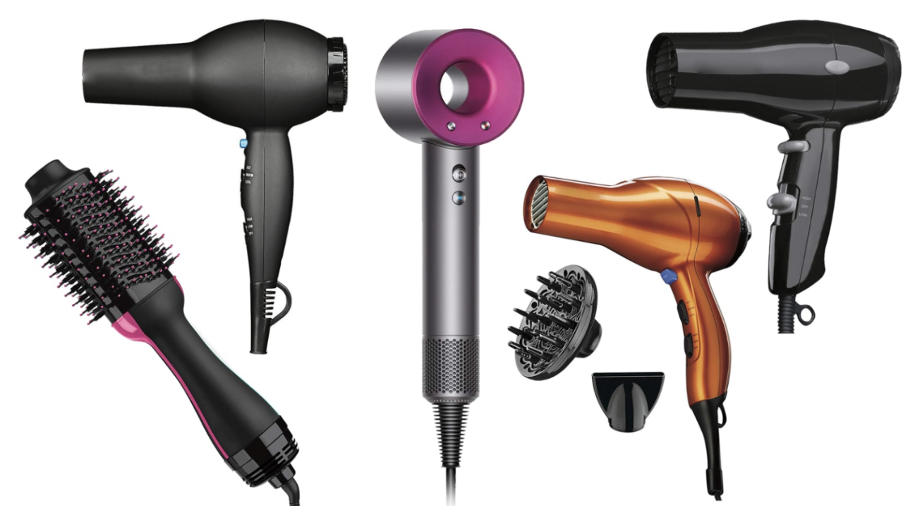
The premium hair dryer market keeps moving toward smarter, lighter and quieter devices. Five models currently define that shift, each with its own idea of what a top-tier styling tool should offer.
As covered by Resident, these devices now compete on a mix of features such as negative ion output, automatic temperature management, sound levels and comfort in the hand. For buyers, this changes how a purchase should be judged: the spec sheet tells only part of the story, and the way the components work together determines whether a dryer is pleasant to use every morning for several years.
Over the last few years, manufacturers have moved away from simply adding power. Earlier generations of salon dryers relied on high wattage and very hot air, which got the job done quickly but often left hair dry and dull. The current approach is different. Sensors check the airflow temperature constantly and hold it at a safe level, ion generators cut static, and brushless motors produce a steady, strong stream of air that dries hair without scorching it. Here is how the five leading models put those ideas into practice:
- Shark HyperAIR ($150 to $230): a 1680 W dryer with intelligent heat control and ionization, plus presets that switch automatically depending on the attachment in use. It weighs 0.75 kg and ships with an IQ concentrator and a styling brush.
- T3 AireLuxe ($200 to $225): the 1875 W US version uses RapidAire IQ to deliver a wide, ionized airflow, with 15 heat and speed combinations and a lock-in cool shot in a body of about 485 g.
- ghd Helios ($180 to $250): a 2200 W brushless model with Aeroprecis aerodynamics, air speeds of up to 120 km/h (75 mph) and an acoustic system for sound control, all at around 500 g.
- Dyson Supersonic ($400 to $430): the 1600 W V9 motor sits in the handle, a glass thermistor reads temperature up to 40 times per second, and five signature attachments come in the box. It weighs 0.8 kg and runs at roughly 77 dB.
- AENO HD5 AI ProDryer (price varies by retailer): a 1500 W brushless motor reaching up to 110,000 rpm, AI temperature control, auto start-stop, infrared light and voice commands, with five magnetic attachments and a travel case at 600 g.
Each brand has its own focus. Dyson balances its dryer by moving the motor to the handle and uses Air Multiplier technology to concentrate the airflow, offering three speeds and four heat levels, including a cold shot. ghd keeps its controls deliberately simple, with two speeds, two heat settings and a cold shot, which suits stylists who need fast results rather than many modes. T3 centers its pitch on hydration, claiming its airflow helps hair retain up to 60% more natural moisture, supported by 10 million negative ions per second. Shark positions the HyperAIR as a tech-forward gadget for daily routines, while AENO goes furthest with automation. Its AI system measures the distance between the dryer and the hair and adjusts the heat to keep the temperature on the strands stable, the airflow stops automatically when the device is put down, a 490 nm InfraCare light works with the hair structure, and an NTC sensor protects against overheating. Voice control switches between AI, Soft, Hot and Cold modes, and the device runs at up to 74 dB with a 24-month warranty.
Every model also comes with trade-offs. Dyson sits at the very top of the price range. The ghd Helios offers only four setting combinations, so it is less flexible for varied styles. With the T3, popular attachments like the curl diffuser are extra purchases. Shark’s design leans more toward a smart device than a classic luxury object, and AENO, while rich in features and accessories, is a newer name than the industry veterans it competes with.
When comparing options, it makes sense to start with your own routine. Frequent styling calls for a lighter, quieter body and reliable heat sensors, while fine or treated hair benefits most from strong ionization and moderate temperatures. A larger set of magnetic attachments expands what one tool can do, from quick drying to defined curls. Finally, given the cost of premium devices, a warranty of one to two years is a reasonable minimum to expect.