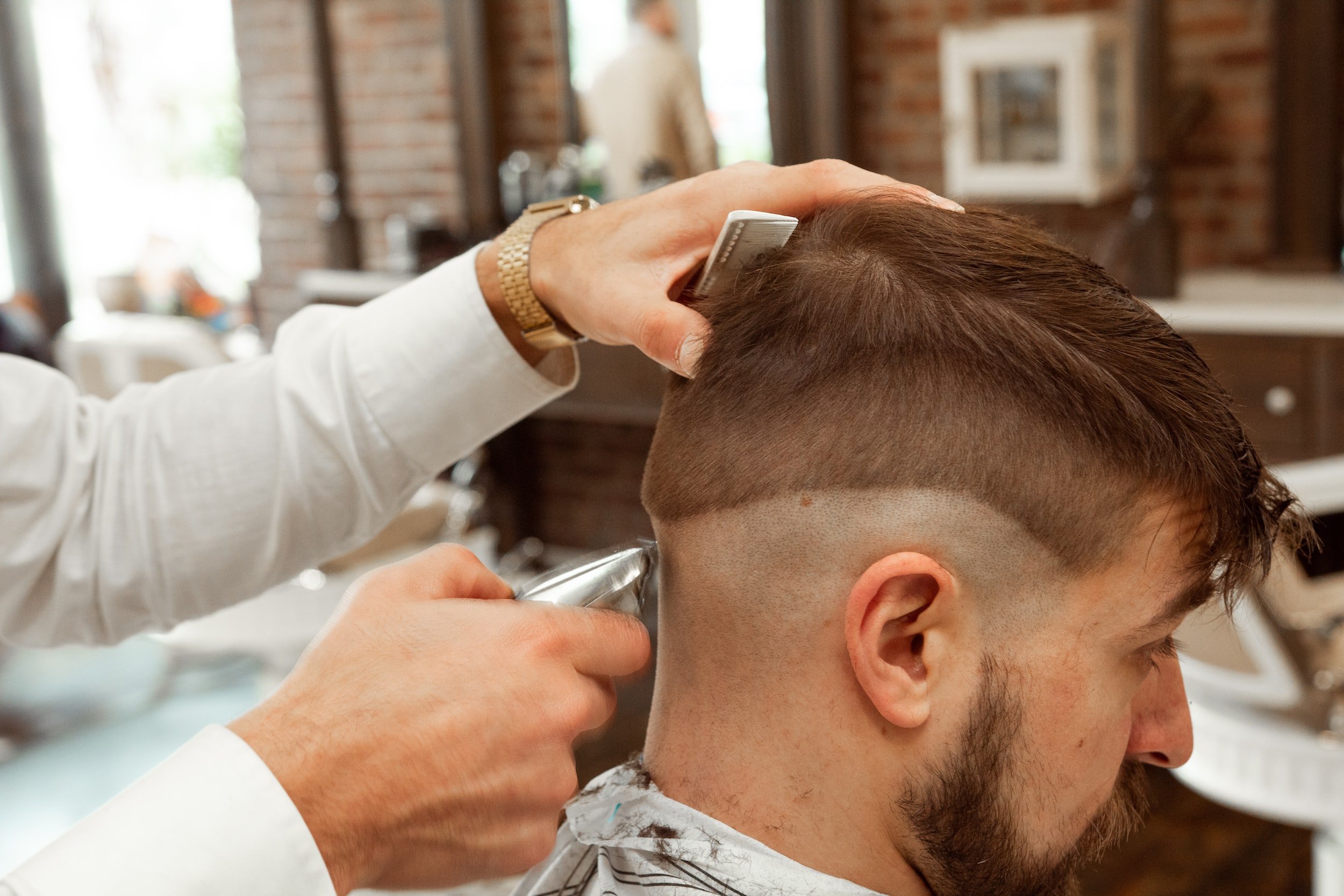
The Low Taper Fade is one of the most versatile and timeless hairstyles for men. Its clean and stylish appearance suits various face shapes, hair textures, and personal preferences. This article explores the intricate details of the low taper fade, covering its features, types, styling techniques, benefits, and more. By the end, you’ll have a thorough understanding of why this haircut remains a popular choice among men of all ages.
Understanding the Low Taper Fade
| Aspect | Details |
| Definition | A fade haircut where the hair on the sides and back gradually shortens as it goes down from the longer hair on top, creating a seamless transition. |
| Origin | The low taper fade originated from military-style haircuts in the 1940s and became popular in the 1990s, particularly within the hip-hop and urban cultures. |
| Evolution | Evolved from basic buzz cuts into more sophisticated fade styles, including the low taper fade, which emphasizes subtlety and natural transitions. |
| Popular Among | Men of all ages, particularly those who want a clean and professional look without the sharp contrast of higher fades. |
| Main Features | A gradual short-to-long transition on the sides and back, with a softer blend starting low, near the ears and around the neckline. |
| Fade Start Point | The fade begins just above the ear and tapers downwards, making it less dramatic than mid or high fades. |
| Best For Face Shapes | Works well with round, square, oval, and heart-shaped faces. It helps soften sharp angles or adds structure to softer features. |
| Best For Hair Types | Suitable for straight, wavy, and curly hair types. Especially great for men with thick hair to reduce bulk. |
| Length of Fade | The fade is subtle and typically fades into a #1 or #2 clipper length on the sides, with the top left longer for styling versatility. |
| Clipper Guard Sizes Used | – #1 (1/8 inch) for the shortest fade near the ears.
– #2 (1/4 inch) for a smoother transition. – #3 (3/8 inch) for the longest side fade. |
| Tools Required | Clippers, trimmers, scissors (for detailing), combs, and possibly razors for precise edge work. |
| Main Styling Methods | – Clipper-over-comb technique for blending.
– Scissor-cut layering on top for texture. – Trimmer detailing for edges and hairline. |
| Maintenance Level | Moderate to high, as the fade will need regular trims (every 2-4 weeks) to keep the transition clean and sharp. |
| Customization Options | Can be combined with different top styles like quiffs, pompadours, comb-overs, or textured looks for variety. |
| Cultural Impact | Strong influence in urban culture, particularly in hip-hop. Worn by celebrities, athletes, and professionals, it symbolizes discipline and personal style. |
| Comparison with Other Fades | – Low Fade: Soft and subtle transition.
– Mid Fade: More noticeable fade higher up the sides. – High Fade: Stark contrast, often dramatic. |
| Ideal for Profession | Ideal for business professionals, athletes, and students who want a clean yet fashionable look. |
| Benefits of Low Taper Fade | – Professional and polished.
– Works with various face shapes and hair types. – Low-maintenance compared to high fades. – Versatile in styling. |
| Downsides of Low Taper Fade | – Requires regular maintenance to keep the fade sharp.
– May not suit very long hair on top, as the fade’s subtlety is meant for medium to short lengths. |
| Celebrity Examples | – Jay-Z (rapper) popularized low fades in hip-hop culture.
– David Beckham (soccer star) has also rocked low fades. |
| Suitable Occasions | – Work or formal events.
– Casual outings or parties. – Street fashion or urban events. |
| Trending Variations | – Low fade with a hard part.
– Low fade with a pompadour. – Low fade with curly top. – Low fade with a buzz cut top for a minimalist look. |
| Maintenance Tips | – Use a good quality beard trimmer to clean up edges.
– Keep the hair on top moisturized for texture and volume. – Avoid over-fading to maintain natural appearance. |
| Barbering Techniques | – The clipper-over-comb technique creates a smooth blend.
– Trimmer detailing is essential for clean edges around the neck and hairline. |
| Popular Among Subcultures | – Skate culture: Provides a sleek, manageable look for active individuals.
– Biker culture: Tends to be neat and practical. |
| Top Styling Products | – Pomade: For a sleek, shiny finish.
– Clay: Adds texture and volume. – Gel: For a firm hold. – Hairspray: For a controlled finish. |
| Seasonal Trends | – Popular year-round, but particularly trendy in the summer as it’s easier to maintain in hot weather while providing a clean look. |
| Barber Training Required | Requires advanced clipper and blending techniques. It is recommended to seek a skilled barber for the best results. |
| Common Myths | – Myth: Low taper fades are just for short hair.
– Fact: Can be combined with longer top styles for versatile looks. |
| Overall Style | Clean, balanced, and adaptable, the low taper fade embodies a professional yet youthful energy, making it popular for many modern men. |
| Global Popularity | – Popular in the U.S. and Europe.
– Gaining traction in countries like Japan, South Korea, and parts of Africa due to globalization of grooming trends. |
What Is a Low Taper Fade?
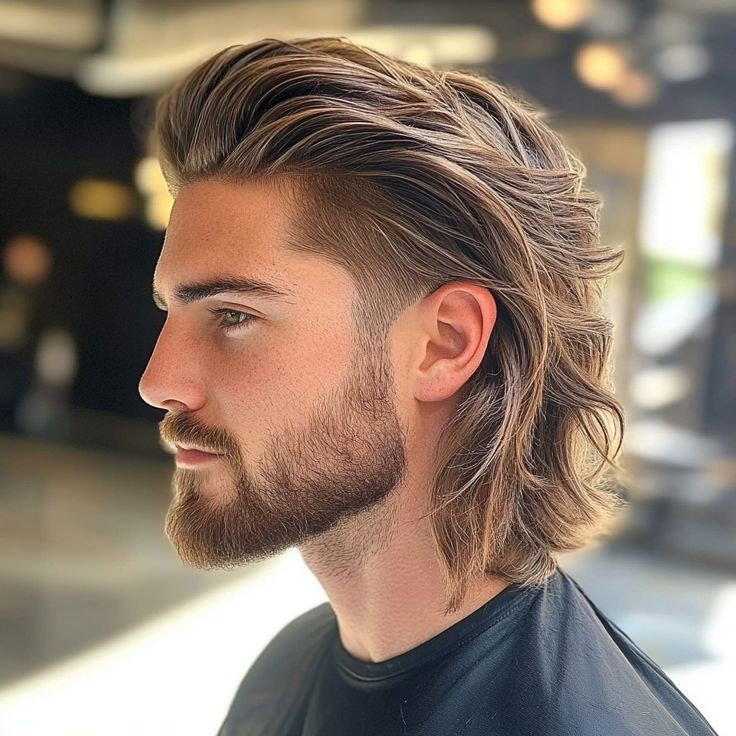
A Low Taper Fade is a popular men’s hairstyle where the hair on the sides and back gradually shortens from the top down to the neck, creating a smooth, subtle transition. The fade starts lower, usually around the ear, making it less dramatic than mid or high fades.
The hair gradually shortens to a shorter length, often using clipper guards like #1 or #2. The top of the hair remains longer and can be styled in various ways, such as with a pompadour, quiff, or comb-over.
This style is known for its clean, professional look while still offering a modern edge. It works well with various hair types, including straight, wavy, and curly hair, and suits most face shapes, making it versatile for many men. The low taper fade is easy to maintain with regular trims and is perfect for both casual and formal occasions.
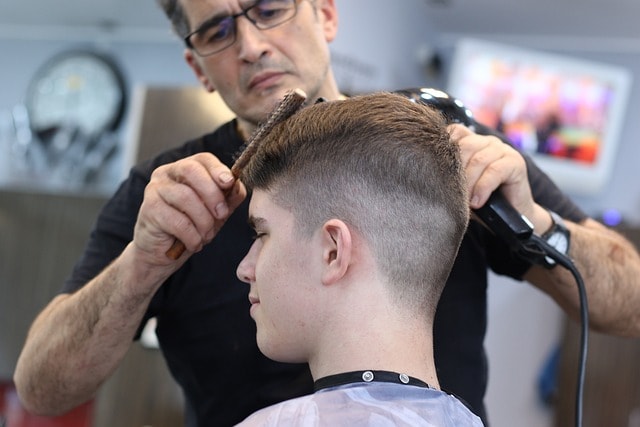
The Historical Evolution of Fades
The concept of fading hair has been a part of men’s grooming for centuries. Its roots can be traced to ancient civilizations like Egypt, where priests and warriors would often sport close-cropped hairstyles as a mark of social status and practicality.
The modern fade emerged in the 20th century, with the military influencing its development. During the 1940s and 1950s, the fade began to evolve from a simple buzz cut into a more blended, tailored look.
This style was adopted by soldiers and later became a symbol of discipline and sharpness. Over time, the fade has diversified into various forms, with the low taper fade gaining prominence in the last two decades due to its balanced and versatile nature.
The Science of Tapering and Blending
Tapering hair is an intricate process involving a gradual reduction in hair length. The science of blending—using different guard lengths and techniques—ensures that the transition from short to long hair is seamless.
When cutting the hair for a low taper fade:
-
Gradual Lengths:
The process involves starting with a longer length at the top and gradually tapering down the sides. The fade should be subtle, with no harsh lines or visible separation between the long top and short sides.
-
Precision Clipping:
The use of specific clipper guard sizes (e.g., #1, #2, #3) is crucial for achieving the desired smooth fade. Barbers use a technique known as “clipper-over-comb” for precision blending, where the clipper blade is combed through the hair in a gentle, sweeping motion.
-
Trimmer Detailing:
After the main fade, a trimmer is used to clean up the hairline, around the ears, and at the neckline for a sharper finish.
Psychology Behind the Popularity of Low Taper Fade
Why has the low taper fade become so widely embraced, especially in contemporary grooming? A few psychological factors contribute to its popularity:
-
Perceived Masculinity:
The clean, sharp lines of a fade are often associated with strength and confidence. The low taper fade particularly gives a polished yet powerful appearance, contributing to a well-groomed, commanding look.
-
Social Proof and Influencers:
Celebrities, athletes, and influencers have embraced this style, adding to its widespread appeal. The low taper fade gives a sense of refinement, often seen in business professionals, actors, and public figures, further cementing its status as a mainstream hairstyle.
-
Confidence and Control:
Many individuals feel a greater sense of self-assurance with a stylish haircut like the low taper fade. This style conveys control, attention to detail, and personal grooming—all of which are highly valued in modern society.
Cultural Impact of the Low Taper Fade
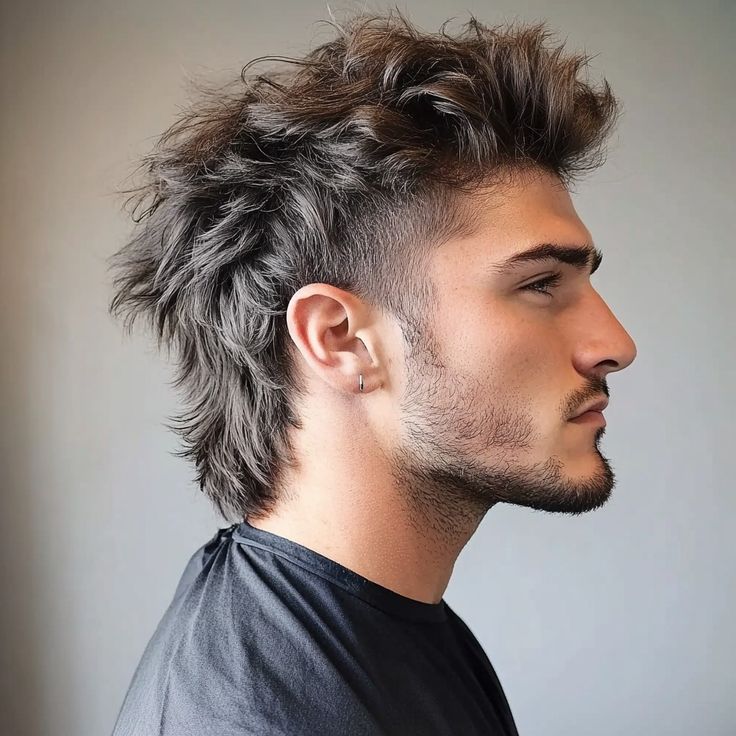
The low taper fade has become more than just a hairstyle—it’s a cultural symbol. It reflects the dynamic blend of old-school grooming traditions and new-age fashion. From streetwear to corporate settings, the low taper fade has broken barriers by being equally suitable for both formal and casual occasions.
-
Hip-Hop and Urban Culture:
The fade has strong roots in hip-hop culture, where it was adopted by artists like Jay-Z and Nas in the ’90s. The low taper fade symbolizes a blend of sophistication and street-style flair.
-
Corporate and Professional Settings:
The low taper fade is also seen in corporate and professional environments. Its subtle and neat nature makes it ideal for individuals who want to maintain a polished image without going for an aggressive or overly bold look.
-
Globalization of Grooming:
The low taper fade has transcended borders and become a global hairstyle. From the United States to Europe and Asia, the fade has seen widespread adoption, solidifying its place as a timeless grooming trend.
Technical Breakdown: Clipper Types and Guard Sizes
| Guard Size | Length of Hair | Common Use |
| #1 (1/8 inch) | Shortest fade on the sides | Used for the shortest part of the fade, close to the ears. |
| #2 (1/4 inch) | Short, but slightly longer than #1 | Adds more transition between short and long sections. |
| #3 (3/8 inch) | Medium-length fade | A good guard to blend the low fade into the top without a stark contrast. |
| #4 (1/2 inch) | Longer fade | Typically used to blend into the longer top section of hair. |
Low Taper Fade vs. Other Fade Styles: A Deeper Analysis
The low taper fade stands out when compared to other types of fades, such as the mid and high fade, in terms of where the fade begins and the overall effect on the hair. The low fade offers a subtle, controlled look with less stark contrast. Here’s a deeper comparison:
| Fade Type | Start Position | Length Transition | Effect |
| Low Taper Fade | Just above the ears | Smooth, subtle blend | Soft, balanced, and sophisticated look. |
| Mid Taper Fade | At the temples | More noticeable contrast | Sharper, edgier appearance with a more defined fade. |
| High Taper Fade | Above the temples | Drastic short-to-long transition | Bold, high-contrast style, often favored for street or edgy looks. |
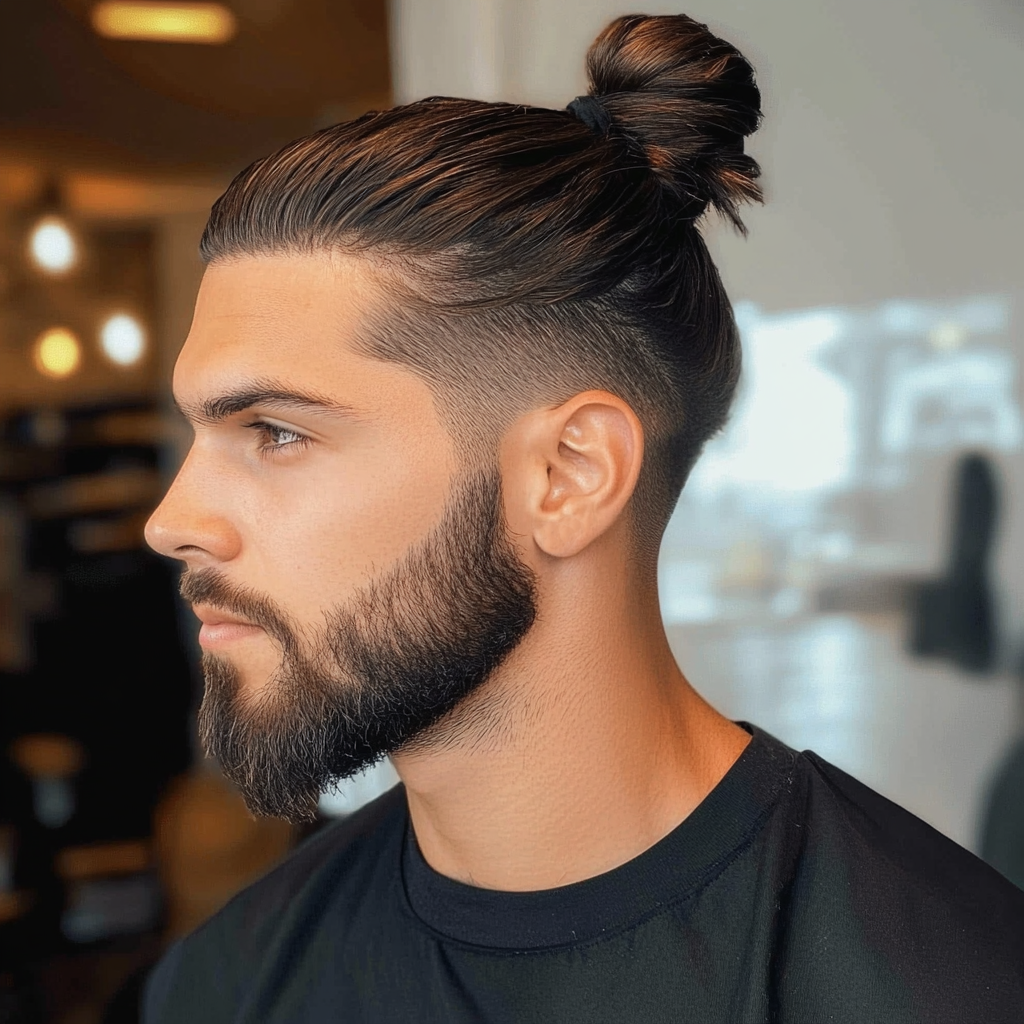
Impact of Face Shape and Hair Type on Tapering
Understanding face shape and hair type is key to perfecting the low taper fade. It’s important to tailor the fade to the individual’s features to enhance the overall appearance:
-
Round Faces:
A low taper fade can help elongate a round face, as the sharp lines of the fade create more definition around the cheekbones.
-
Square Faces:
The low fade softens the angular features of a square face, giving it a more balanced and proportional look.
-
Heart-Shaped Faces:
The fade works well by balancing the forehead and chin area, especially when paired with volume on top.
For hair types:
-
Curly Hair:
The fade enhances the curl definition at the top, making it stand out even more.
-
Straight Hair:
The fade offers a clean, crisp finish that complements the sleekness of straight hair.
-
Thick Hair:
The low fade reduces bulk on the sides, leaving the top with more volume and a well-structured look.
-
Fine Hair:
The fade gives the illusion of thicker hair, especially when paired with some texture on top.
Low Taper Fade as a Symbol of Masculinity and Identity
The low taper fade has become a symbol of masculinity and identity for many men. Its sharp lines and tailored fit communicate self-discipline and a strong sense of personal style. The fade can be seen as a reflection of how modern men view their roles in society: well-groomed, strong, and adaptable. The fade allows men to express individuality without sacrificing a polished, professional appearance.
Fun Facts about Low Taper Fade
-
Origin in Military Style:
The low taper fade has roots in military haircuts, where it was used to maintain a clean, practical look for soldiers.
-
Versatile for All Hair Types:
Whether you have curly, straight, or wavy hair, the low taper fade works well with all textures, making it a popular choice.
-
Low Maintenance:
Compared to high fades, the low taper fade requires less frequent trimming, making it a low-maintenance yet stylish option.
-
Celebrity Popularity:
Celebrities like David Beckham and Jay-Z have popularized this fade, making it a go-to style for fashion-forward individuals.
-
Suits Every Occasion:
From casual outings to professional settings, the low taper fade’s subtlety allows it to fit both formal and informal occasions effortlessly.
Frequently Asked Questions about Low Taper Fade
Is a low-taper fade suitable for all hair types?
Yes, the low taper fade works well with straight, wavy, curly, and afro-textured hair. Adjustments can be made to accommodate specific textures.
How often should I maintain a low taper fade?
To keep the fade looking sharp, touch-ups are recommended every 2-3 weeks. However, this can vary depending on hair growth.
Can a low taper fade include designs?
Absolutely! Shaved designs or parting lines can be added to personalize the look and make it more stylish.
What products work best with a low taper fade?
Use pomade or gel for sleek looks, wax for texture, and hair spray for added hold. Choose products based on the desired style and hair type.
Conclusion about Low Taper Fade
The low taper fade is a versatile and timeless haircut that combines style, practicality, and professionalism. Its subtle and clean appearance suits individuals of all ages and hair types. With endless customization options, this haircut can be tailored to reflect personal preferences and lifestyle needs.
Whether you prefer a classic look or a modern twist, the low taper fade offers a seamless blend of tradition and innovation. Regular maintenance and proper styling techniques ensure that this hairstyle remains sharp and appealing.
Ultimately, the low taper fade’s enduring popularity is a testament to its universal appeal and adaptability. If you’re looking to elevate your style, this haircut is a perfect choice.