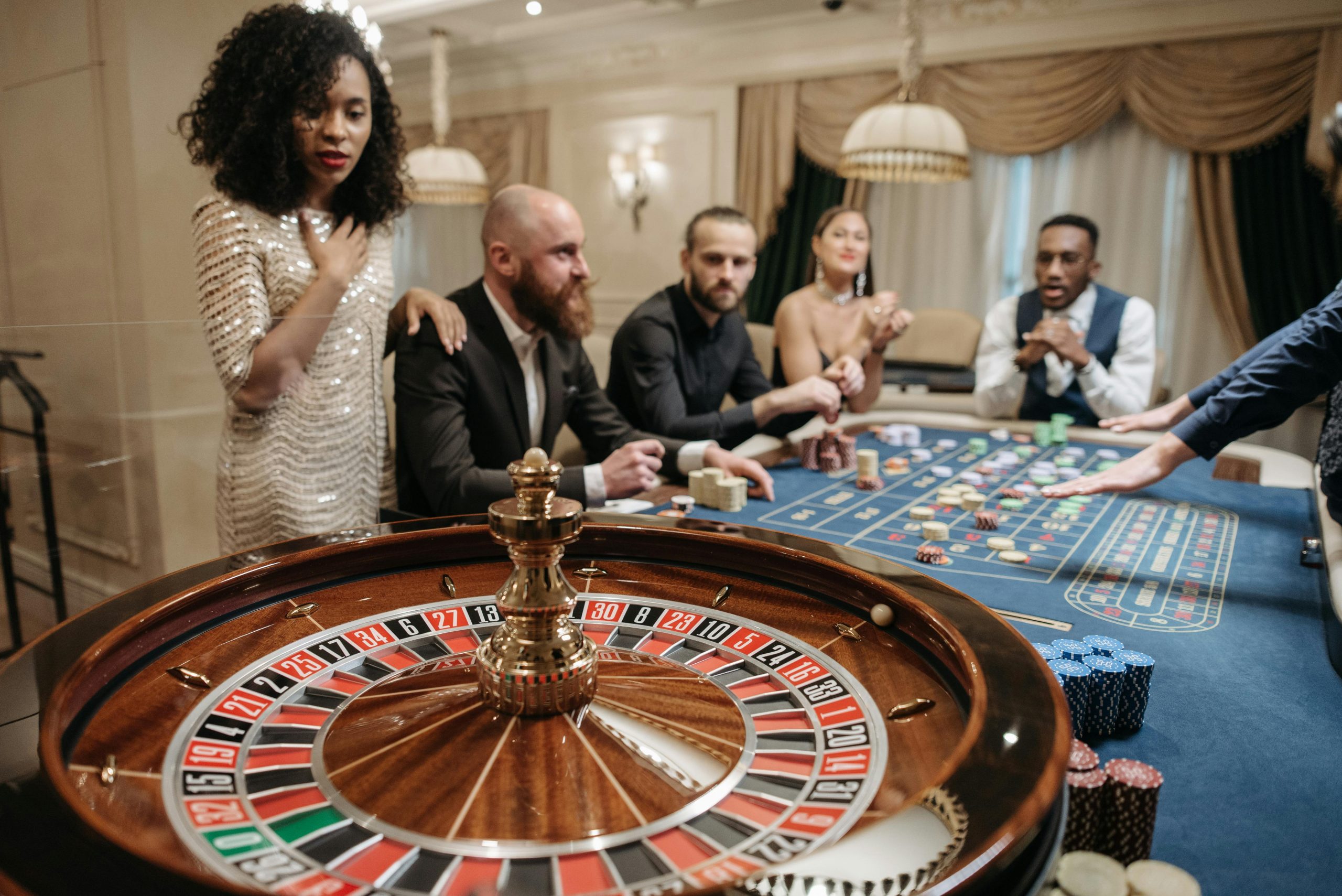
Live casino has evolved a lot since its initial years when it was a mere bridging between online gambling and the physical feel of playing a table. What was once dependent on rudimentary camera feeds and functional displays has now become a far more sophisticated category of product. Operators are no longer content with merely displaying a dealer, a wheel, or a table in action. They desire the overall experience to be more high-end, more immersive, and more expertly crafted entertainment.
The move speaks volumes about the direction the industry is taking. Gaming logic is no longer determining live casino. It is increasingly influenced by television’s visual expression. In studio lighting and camera angles, in the presentation of the hosts and pacing, the industry is heavily borrowing from broadcast production to make it in an overcrowded market. It is not just to demonstrate that a game is taking place in real time. The idea is to ensure that players feel as if they are attending a live performance.
From Functional Streams to Produced Entertainment
The initial live casino products were developed with trust and convenience in mind. Players preferred a real dealer and a real game, as this would evoke a stronger sense of security than an all-digital interface. The production quality had to be good enough to provide a stable stream and a clear view of the action. During that stage, the live casino was more of a check than a show.
That is no longer sufficient. As the market has grown and preferences have changed, operators have found that the visual layer makes a significantly greater contribution to retention, differentiation, and brand perception. A simple stream may provide gameplay, but it does not always make it exciting. Instead, a slick live casino setup can turn a table into a felt one, more about the experience and more memorable.
It is here that television is the model. The producers are aware that it is not just content but presentation that viewers respond to. The same concept has been applied to casino products that aim to entertain users longer and reach people who want higher-quality digital entertainment.
Camera Language Is Becoming a Competitive Tool
Among the most obvious indications of this change is how live casino studios approach cameras today. Numerous products are not framed with a single static angle but a variety of views, close-ups, sweeps, etc. That style is more conversant since it resembles television grammar. The camera movement informs the viewer of what is important, where to focus and how to feel concerning the scene being shown on the screen.
Moreover, this can even make some well-known games more dramatic in a casino environment. When filmed with vigor and accuracy, a roulette spin is more filmic. The presentation should be well-framed to make a blackjack table look more intimate. These are not only aesthetic choices. They affect the perceived quality and the way players perceive the value of the experience.
Additionally, this implies that camera work is no longer a technical side of the background. It is integrated into the product strategy. Even the strongest live casino brands are recognizing that broadcast-like production can transform the table from a mere gambling interface into a media experience.
The Host Matters as Much as the Dealer
Television does not just revolve around images. It is also performance-based. This is one more reason why live casino is evolving. Dealers are not merely there to conduct the game efficiently. They are supposed to bear some of the presence of a presenter or host in a variety of settings. The tone, confidence, timing, and connection with the audience are more important when the objective is to establish a well-refined on-screen mood.
This does not imply that all casino tables turn into game shows, but it does imply that presentation becomes an even more important issue than in the past. Even if the game itself is the same, a good host can make the session smoother and more high-end. The entertainment value does not increase because of differences in mechanics, but because of improved delivery.
With the maturation of the live casino, there is less of a difference between the gambling product and performance product. Operators are not simply running the gameplay. They are controlling screen time, mood, and viewers’ attention as television producers consider how the audience engages.
Why This Shift Matters for the Industry
The shift to television-like production is indicative of a bigger reality in the contemporary casino market. The competition no longer focuses on the availability of games or the presentation of odds. It is also founded on the experience’s appearance and feel. Visual quality is a marker of trust, investment, and brand ambition in a saturated digital environment.
That has long-term effects. The emergence of television-inspired production values by more operators can lead live casino to be less about aping a real-life casino floor and more about producing an entirely different type of hybrid entertainment product. Probably the winners will be the brands that will realize that nowadays players are not only gambling. They are also observing, contrasting and evaluating the quality of the screen experience presented to them.
Live casino aims to resemble television now, since television has already provided a crucial lesson to the digital industry: the way things are presented influences perception. In the subsequent stage of casino expansion, such a lesson can be as significant as the games themselves.