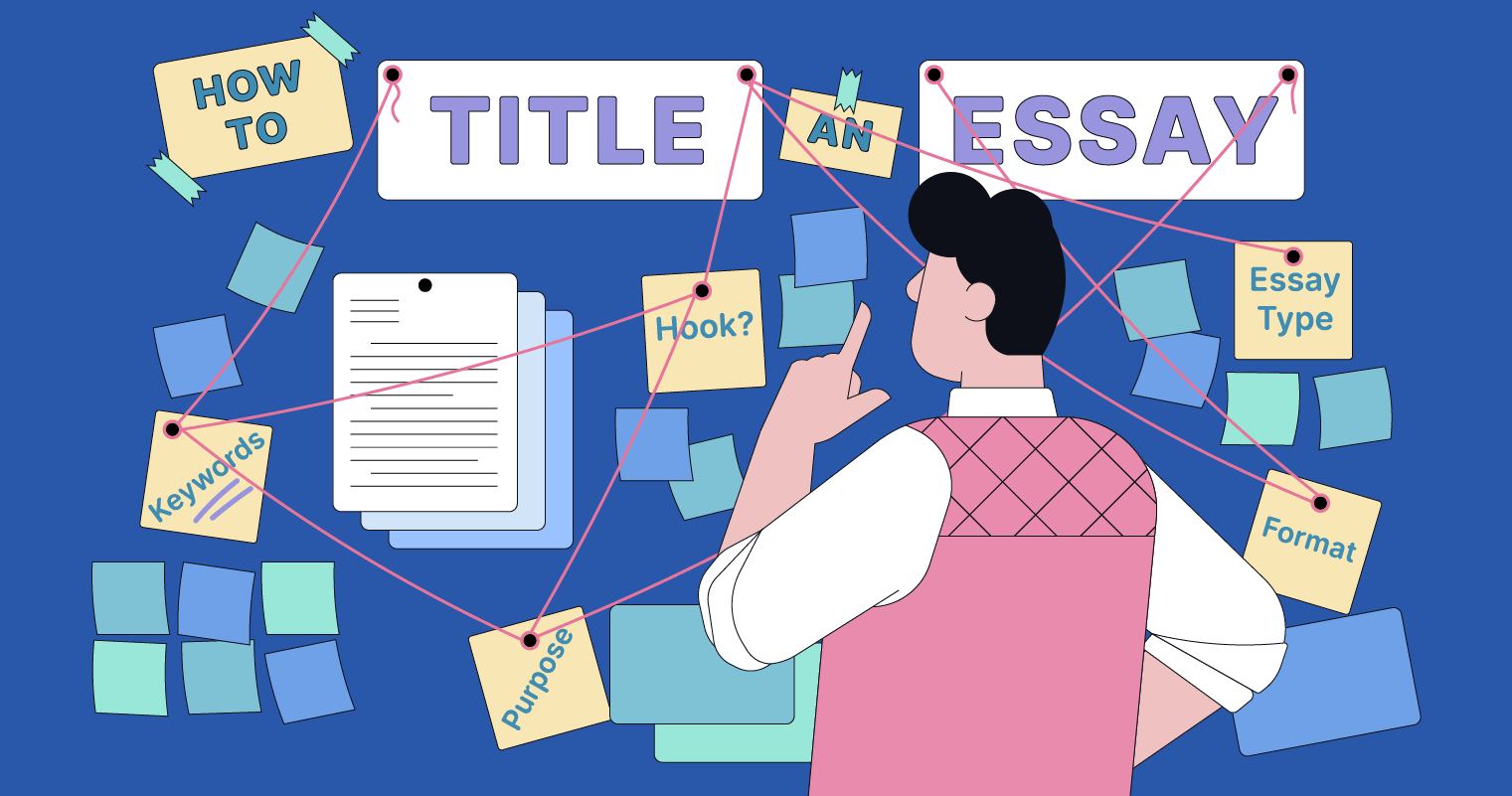
Teaching children how to write a compelling hook for a persuasive essay not only improves their writing but also strengthens their ability to communicate effectively. An impactful hook grabs the reader’s attention from the start, sparking curiosity about the topic and laying a solid foundation for persuasive arguments. Let’s explore practical tips and strategies for crafting effective hooks and how they play a pivotal role in persuasive writing.
Understanding the Purpose of a Hook in Persuasive Essays
Imagine starting a conversation with someone new. What’s the first impression you want to make? A persuasive hook serves this same purpose in writing—it makes the reader want to continue reading. Teaching students to begin with a statement, question, or fact that captivates attention helps them convey their viewpoint with confidence.
In a persuasive essay, the hook acts as an anchor for the reader. It creates a reason to care about the argument being presented. A strong start, especially for younger writers, can be challenging to develop, but with the right guidance, it becomes an opportunity for them to express creativity and connect with their audience.
Different Types of Hooks to Engage Readers
Learning how to write a hook for a persuasive essay involves experimenting with various types of openings. Let’s look at some popular styles that are both accessible and impactful for young writers:
- Rhetorical Questions
Questions can spark curiosity and reflection. A question like, “What if schools extended recess by half an hour?” encourages the reader to consider possibilities and makes them want to know more about the writer’s point of view. Rhetorical questions work well in persuasive essays because they invite readers to think and engage with the topic. - Bold Statements
A bold statement can provoke thought and establish a confident tone right from the beginning. For example, starting with “Homework is outdated and ineffective” challenges conventional beliefs, urging readers to explore the writer’s argument. This type of hook works best when the writer is ready to present strong evidence to support their opinion. - Interesting Facts or Statistics
Surprising data grabs attention because it offers new knowledge. A fact like “Did you know that over 90% of teenagers report feeling more stressed during exam periods?” not only surprises readers but also sets up a clear context for discussing mental health in schools. - Personal Anecdotes
Sharing a short personal story makes the writing relatable. For instance, a student might start with, “I remember the day my school banned sugary snacks in the cafeteria.” This personal connection invites the reader into the writer’s experience, making them more receptive to the argument that follows. - Quotations
A powerful quote from a well-known figure can add credibility to the writing. Imagine beginning with Martin Luther King Jr.’s words: “The function of education is to teach one to think intensively and to think critically.” This not only engages the reader but also strengthens the essay’s argument on the importance of education.
Each hook style serves a different purpose, allowing students to choose the one that best matches their topic and perspective.
Strategies for Crafting the Perfect Hook
To make their hooks more engaging, students should think about who their audience is and what they might find interesting or thought-provoking. Here are some additional strategies for creating effective hooks:
- Consider the Audience
The hook should resonate with the readers’ interests. Are they more likely to be intrigued by an emotional story, or would a hard-hitting fact grab their attention? Tailoring the hook to the audience’s preferences makes it more effective. - Relate the Hook to the Argument
A hook should lead naturally into the essay’s main argument. For instance, a student writing about environmental conservation could start with, “Did you know that one in three animals is affected by habitat loss every year?” This not only grabs attention but also prepares the reader for the environmental topic. - Experiment with Different Hook Types
Practicing with various styles helps students understand which hooks work best for different topics. Encouraging them to try multiple options for a single topic can reveal which approach feels the most natural and compelling. - Avoid Overused Clichés
Hooks should feel fresh and engaging. Instead of starting with a generic question like, “Have you ever wondered…?” encourage students to think creatively and introduce original ideas that stand out.
Learning how to write a hook for persuasive essay writing empowers students to make impactful statements from the first line, setting a strong foundation for their arguments.
Activities to Make Hook Writing Fun and Engaging
Teaching hooks doesn’t have to be all theory. Here are some interactive activities to help students get hands-on experience with creating persuasive hooks:
- Hook Brainstorming Workshop
In small groups, students choose a topic and brainstorm multiple hook ideas, experimenting with different types. This collaborative approach allows them to share and refine ideas, helping them learn from each other’s creativity. - Hook Bank Creation
Set up a “hook bank” with different hook examples that students can refer to as they draft essays. This collection could include rhetorical questions, bold statements, surprising facts, anecdotes, and quotes. Having examples to draw inspiration from gives students a reliable starting point. - Analyzing Effective Hooks
Choose excerpts from books, articles, or even ads and ask students to identify and discuss the hooks. Breaking down what makes each hook effective gives students insight into the elements that make a hook strong. - Peer Feedback Sessions
Pair students up to read each other’s hooks and provide feedback. This exercise helps students understand what appeals to readers and refine their hooks based on peer insights. - Hook Writing Challenges
Provide a list of topics and give students a short time to come up with hooks for each. This fast-paced exercise encourages quick thinking and helps students become comfortable creating hooks under time constraints.
Avoiding Common Pitfalls in Hook Writing
Some common mistakes can weaken an otherwise effective hook. Here are a few tips for helping students avoid these pitfalls:
- Don’t Be Too Vague
A hook should be specific enough to engage the reader’s interest. For instance, a general statement like “Pollution is bad for the environment” lacks impact. Instead, starting with a concrete fact, such as “Air pollution causes 7 million deaths worldwide annually,” is much stronger. - Steer Clear of Clichés
Clichés make hooks feel stale and predictable. Encourage students to find fresh ways of expressing familiar ideas to make their writing stand out. - Maintain Relevance
The hook should connect to the essay’s main argument. If the essay discusses school uniforms, a hook about climate change might confuse readers. Keeping hooks relevant ensures smooth transitions into the main topic. - Avoid Overloading with Statistics
While facts can be powerful, using too many can overwhelm the reader. Choosing one impactful statistic makes for a cleaner, more focused hook.
By keeping these guidelines in mind, students can write hooks that enhance their arguments and captivate their audience.
The Importance of Creativity in Hook Writing
Encouraging creativity in hook writing not only improves students’ persuasive writing skills but also boosts their confidence. When students use personal experiences, emotions, or vivid descriptions in their hooks, they connect more deeply with their writing, making their arguments more compelling.
In today’s digital age, teachers can even introduce visual elements to reinforce creative hook writing. Digital tools like Canva and Adobe Spark allow students to create visually appealing content, which can be particularly effective for visual learners.
Final Thoughts on Hook Writing for Persuasive Essays
Learning how to write a hook for persuasive essay writing is about empowering young writers to make a powerful first impression. Through experimenting with different hooks, engaging in interactive activities, and focusing on creativity, students can develop strong hooks that not only capture attention but also strengthen their arguments.
A well-crafted hook is just the beginning, but it sets the stage for everything that follows. By mastering the art of hook writing, students lay the groundwork for persuasive essays that make readers think, feel, and, ultimately, agree.