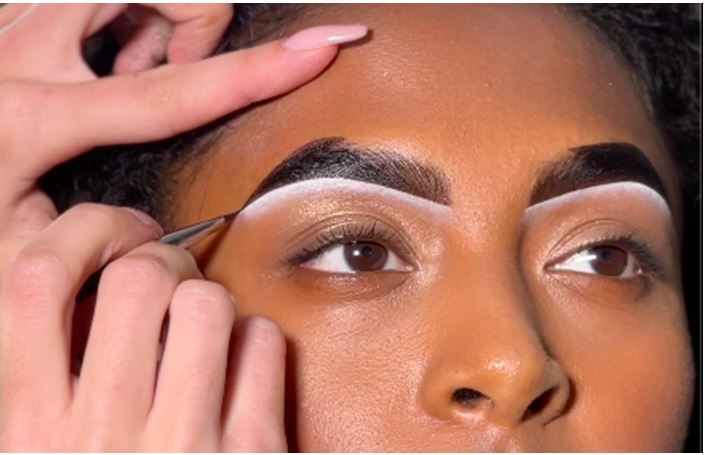
Working with tinting products comes with a responsibility to keep your clients safe, especially when it comes to a potential allergic reaction to eyebrow tint. The best way to do this is by thoroughly testing the products before use. A simple patch test 48 hours before the procedure is your best bet to determine whether something is safe or potentially harmful to your client. This small precaution can make all the difference, especially when dealing with ingredients like PPD, a common ingredient causing allergies in many eyebrow dyes. If the test shows a positive reaction, it’s a clear sign to avoid using the product on your client.
Can Hybrid Dye cause an allergic reaction?
The short answer is yes. Even though hybrid dyes are gentler and less likely to irritate, they can still trigger allergic reactions in some clients. Everyone’s skin reacts differently, and what might be safe for one person could cause an issue for another. That’s why a patch test is a must, no matter what type of eyebrow dye you are using. While hybrid eyebrow dyes tend to have fewer harsh chemicals, there’s no such thing as a completely risk-free product. Always be on the side of caution and ensure you’re fully aware of any potential allergies that can cause an allergic reaction to eyebrow tint that your client might have. Always test 48 hours before a treatment and although your client might not have an eyebrow dye allergic reaction, and re-test every 6 months when you haven’t seen your client in between, as allergies can change with time.
Why do allergic reactions appear?
Allergic reactions are your body’s way of telling you that something isn’t right. When your immune system encounters a substance it doesn’t recognize — or worse, sees as a threat — it can kick into high gear, resulting in symptoms like redness, itching, and swelling indicating an eyebrow dye allergy. In more severe cases, reactions can include blistering or even difficulty breathing. The culprits are usually chemicals found in the dye, with PPD being one of the most common offenders. Educating your clients about the potential for allergic reaction to eyebrow tint is key, especially if they have sensitive skin or a history of allergies.
What is PPD?
PPD, or para-phenylenediamine, is a chemical compound widely used in permanent hair and eyebrow dyes which can lead to an eyebrow dye allergy. It’s what gives these products their long-lasting color. However, PPD is also a well-known allergen. In fact, it’s one of the most common causes of allergic reactions in cosmetic products. Reactions can range from mild irritation to severe skin inflammation – they might, for example, feel itchy eyebrows allergy. How long an allergic reaction to eyebrow tint lasts can be different on a case-to-case basis. Because PPD is such a strong allergen, understanding its role in the products you use is crucial. This knowledge helps you make informed decisions about whether or not to use certain dyes on your clients. If your clients feel an eyebrow tint allergic reaction coming, such as an itchy eyebrows allergy feeling, do not continue with the treatment and remove it right away.
The importance of patch testing before each procedure
Patch testing is like a safety net — it’s there to catch any potential issues before they become serious problems. By applying a small amount of dye to a discrete area like behind the ear or on the inner forearm, you can monitor your client’s skin for any allergic reaction to eyebrow tint over the course of 48 hours. If their skin reacts negatively, it’s a clear sign that this product is not a good fit. On the other hand, if there’s no reaction, you can proceed with more confidence. Patch testing should be a standard part of your process, not just something you do occasionally. It’s a small step that can prevent major problems down the road. A PPD allergy can be very severe, so it has to be taken seriously, by both you and your client. Sometimes simply showing images of an allergic reaction might be enough to convince them a patch test is really needed.
Hybrid Eyebrow Dye advantages for brow tinting
Hybrid eyebrow dyes have become increasingly popular in the eyebrow industry, and for good reason. These products are designed to offer the durability of traditional dyes, and can also stain the skin beneath the eyebrows. They contain fewer harsh chemicals, making them a good option for clients who have experienced irritation from other products in the past. Hybrid dyes can provide vibrant, long-lasting color without compromising the health of your client’s skin. For professionals, using a hybrid eyebrow dye can be a way to offer a more personalized service, particularly for clients with sensitive skin. However, remember that no product is completely hypoallergenic, so patch testing remains essential.
The importance of aftercare
Once the tinting process is complete, the work isn’t quite over. Aftercare plays a crucial role in ensuring that the client’s skin remains healthy and the tint lasts as long as possible, as well as ensuring there isn’t an eyebrow dye allergic reaction. In some cases, an allergic reaction can even occur after 48 hours. So let them know that they should contact you if they do develop a reaction later on. To keep them pretty, clients should be advised to avoid touching their brows excessively, stay away from harsh skincare products, and keep out of the sun for at least 24 hours after the procedure. These steps help prevent irritation and prolong the life of the tint. It’s also wise to remind your clients to be gentle with their brows during their skincare routine and to use mild, non-irritating products to cleanse the area. Proper aftercare can significantly reduce the risk of any delayed reactions and help maintain the results of the tinting.
Handling allergic reactions: what you need to know
Despite all precautions, an allergic reaction to eyebrow tint can sometimes happen. Knowing how to manage them is crucial. If your client starts showing signs of an eyebrow dye allergic reaction during or after the procedure — such as redness, itching, or swelling — the first step is to remove the product immediately. Gently cleanse the area with cool water and a mild, non-irritating cleanser. Applying a soothing lotion or cream, like one containing aloe vera, can also help calm the skin.
You might be wondering how long does allergic reaction to eyebrow tint last; this may be different depending on the gravity of the eyebrow dye allergic reaction. If the eyebrow tint allergic reaction is severe or if symptoms persist, it’s important to advise your client to seek medical attention. Having an eyebrow dye allergy action plan in place, including easy access to first-aid supplies and contact information for local medical professionals, can make a big difference in managing these situations calmly and effectively.
How to prevent allergic reactions in the future
The best way to handle eyebrow dye allergic reactions is to prevent them from happening in the first place. Consistent patch testing before each procedure, even with clients who have used the same product before without issue, is a key step in prevention. It’s also a good idea to keep detailed records of each client’s patch test results and any products they’ve reacted to in the past. This information can help you make better choices for future appointments.
When selecting products, the best eyebrow dye for sensitive skin is high-quality and professional grade. You can also avoid an allergic reaction to eyebrow tint by opting for an hypoallergenic eyebrow dye. Look for dyes that are free from common allergens or that have been dermatologically tested. Educating your clients about the importance of aftercare and encouraging them to speak up about any previous allergic reactions can also go a long way in preventing issues.
FAQ
What measures can be taken to keep customers with allergies safe?
To prevent eyebrow tint allergic reactions, always perform a patch test 48 hours before the procedure, use professional and high-quality products such as hybrid eyebrow dye from Supercilium, and have a plan in place for managing the eyebrow dye allergy.
What are some strategies for managing an allergic reaction?
If a reaction occurs, such as a very itchy eyebrows allergy feeling, remove the product immediately, cleanse the area with cool water, and apply a soothing lotion as part of the eyebrow tint allergic reaction treatment. For severe reactions, seek medical advice.
How do you deal with cosmetic allergies?
If you are wondering about eyebrow tint allergic reactions, what to do: stop using the product right away, clean the area thoroughly, and consult a healthcare provider for appropriate eyebrow allergy treatment if the reaction is severe.
How to prevent allergic reactions to eyebrow tint?
Regular patch testing, using products formulated for sensitive skin, and educating clients on aftercare can help prevent allergic reactions.
Managing potential allergens in tinting products is an essential part of being a professional in the eyebrow industry. By taking the right precautions, such as consistent patch testing and using high-quality, gentle products, you can ensure that your clients have a safe and satisfying experience. Education and communication with your clients are key — help them understand the importance of patch testing and aftercare to minimize the risk of allergic reactions. Make sure you understand what the proper eyebrow tint allergy treatment and procedures are. Remember, a little preparation goes a long way in maintaining both the safety of your clients and the integrity of your services. If you are wondering what is the best eyebrow dye to use, we recommend this Hybrid Eyebrow Dye. But remember, a patch test is always your first step!