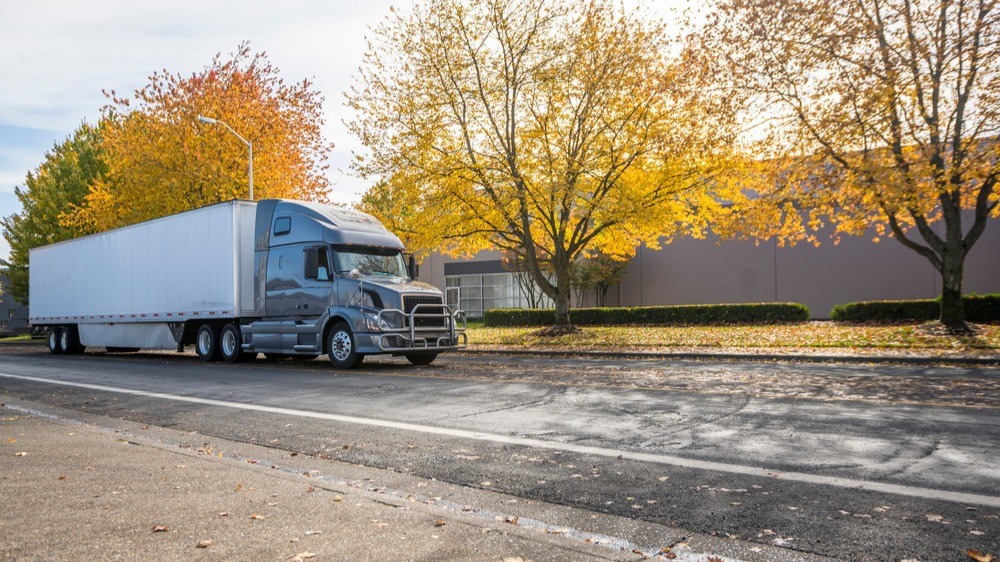
For decades, truck drivers have relied on San Antonio’s relatively flexible parking regulations to support their operations throughout Texas. The city has become a logical center for commercial vehicle operations due to its advantageous location along major interstate networks. Rigorous parking regulations, however, have been put in place by city officials as a result of rising residential development and more community complaints. This has a big influence on how truckers operate in the area.
More than merely local policy revisions are reflected in these regulatory changes. They are indicative of a national trend in which local governments are striking a balance between the realist requirements of the transportation sector and community concerns. There is more than just overnight parking that is impacted by the new rules. In one of Texas’s most significant commercial hubs, they radically change the way truck drivers schedule their work, plan their routes, and conduct business.
Anyone working in commercial transportation now needs to be aware of these rules. It takes strategic preparation and knowledge of your options to navigate San Antonio’s new parking landscape, whether you’re an owner-operator, transportation manager, or logistics coordinator. Transportation professionals place a high premium on compliance due to the financial ramifications alone, as fines have increased significantly. We shall discuss every aspect of truck parking in San Antonio in this post.
Understanding San Antonio’s New Parking Rules
More stringent truck parking regulations were recently passed in San Antonio, which has a big effect on commercial vehicles. Amendments that facilitate the restriction of semi-truck parking in non-residential areas were passed by the authorities.
Overnight parking limitations are the main emphasis of the revised legislation. Under the revised plan, parking on roadways within 1,000 feet of residential neighborhoods would be prohibited overnight. That would increase San Antonio’s banned overnight parking zones. Thousands more drivers who previously had legal parking options are impacted by this significant increase.
Truck parking is currently prohibited on residential streets between 10 p.m. and 6 a.m. These restrictions are now extended to non-residential locations close to residential zones by the new regulation.
The National Truck Parking Crisis
Issues with truck parking in San Antonio are indicative of a national issue impacting the whole transportation sector. Every eleven trucks on the road only have one parking space, according to the Owner-Operator Independent Drivers Association (OOIDA), and there is a deficit of more than 40,000 parking spaces across the country.
Drivers and other motorists are put in danger as a result of this shortage. As more and more cities around the nation ban trucks from parking inside their borders, the issue is becoming increasingly widespread. The data presents an unsettling image of the availability of truck parking at the moment.
Impact on Truck Drivers and Fleet Operations
Commercial drivers face a number of difficulties as a result of the new San Antonio regulation.
San Antonio drivers now have to carefully plan their journeys. More ground is covered by the restriction than previously. It gets harder and harder to find parking spaces that are allowed, particularly during the night rest times mandated by federal hours-of-service rules.
Fleet managers deal with extra expenses and logistical challenges. They have to find alternate parking options or reroute trucks to avoid restricted zones. This raises operating costs and affects delivery timelines.
Legal Parking Options in San Antonio
There are still a number of authorized parking spaces for commercial trucks in spite of the limitations. Drivers can manage their schedules and remain compliant by being aware of these options.
The most dependable place to park overnight is at a truck stop or travel center. Usually, these establishments provide facilities like food, bathrooms, and fuel. However, during periods of high travel demand, supply may be restricted.
Truck parking may still be permitted in industrial locations that are not close to residential neighborhoods. Before parking in these areas, drivers should check local signage and parking restrictions. With prior authorization, certain establishments allow overnight parking.
Parking places are still available at rest sites near major routes. These facilities, however, frequently fill up fast, particularly during seasons of high travel demand. There can be time restrictions in some places.
Smart Strategies for Compliance
Strategic planning is necessary to successfully navigate San Antonio’s truck parking laws. Drivers can use technology to find open parking spaces and steer clear of prohibited zones.
Truck parking-specific mobile apps can provide availability in real time at many locations. Before approaching prohibited areas, drivers can use these tools to arrange stops. Drivers can also be guided around restricted locations by GPS devices that provide truck-specific routing.
Speaking with other drivers gives you important information regarding parking availability. Current conditions and alternate routes are shared via CB radio channels and online forums. Creating a network of trustworthy contacts is beneficial in trying times.
Private Storage Solutions: A Growing Need
The limitations on parking demonstrate the rising need for private truck storage facilities. Commercial trucks can park safely and legally with the help of professional storage services. These establishments offer places reserved especially for big vehicles and trailers.
Compared to conventional parking choices, private storage facilities have a number of benefits. They include security elements like video cameras, gated entry, and on-site personnel. To meet various operational needs, a lot of facilities provide flexible rental terms.
When choosing storage facilities, location becomes essential. Drivers can easily access properties close to major roads and transit hubs. Local delivery activities are efficiently served by facilities near San Antonio’s industrial regions.
Professional storage services are aware of the particular requirements of drivers of commercial vehicles. Other services including truck washing and small repairs are offered at some locations.
Practical Tips for Drivers
Drivers in the San Antonio region should exercise caution in a number of ways. Before parking, always make sure to check posted signs and current ordinances. Since regulations are subject to change, being knowledgeable helps avoid expensive infractions.
Consider parking requirements when planning routes. Prior to entering restricted zones, locate possible places to stop. Schedules should provide extra time to accommodate parking availability.
For overnight parking, take into account other transit hubs outside of San Antonio. More adaptable parking choices might be available in nearby communities. Compared to the fines for violations, the short drives to these spots can be worth it.
Keep precise records of the times and places of parking. If there are disagreements about parking infractions, documentation is helpful. Images of parking lots and signage offer extra security.
Final Thoughts
Planning is essential to resolving San Antonio’s truck parking issues. Legal alternatives might be provided by designated truck parking zones in suitable industrial regions. Basic facilities and security measures ought to be included in these areas.
Regional parking networks could be established through better coordination between nearby towns. Drivers operating in many jurisdictions would profit from unified legislation and shared resources.
The ideal long-term strategy is to invest in contemporary parking facilities that cater to the trucking business while resolving neighborhood issues. While still offering necessary services, well-designed buildings can reduce visual and acoustic disturbances.
In order to keep up with the increasing demand, professional parking and storage services keep growing. Investments in public infrastructure are complemented by these private sector solutions. Customized solutions for particular operational demands might come after partnering with vehicle storage providers.