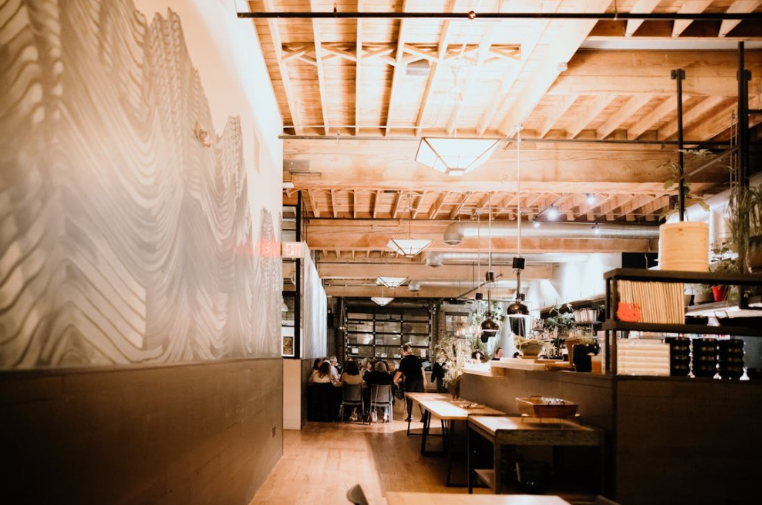
Scroll through any food app, Google Maps listing, or Instagram feed and you’ll notice something instantly: the restaurants that catch your eye aren’t always the ones with the fanciest menus. They’re the ones with the best photos. In today’s hospitality world, photography isn’t decoration. It’s the front door. It’s the handshake. It’s often the only thing standing between a casual browser and a confirmed booking.
Take Brick and Bourbon, for example. It’s the kind of place that leans heavily into atmosphere- moody lighting, rich textures, cocktails that look like they belong in a magazine spread. When a restaurant like that invests in professional photography, it’s not about vanity. It’s about translating that in-person experience into a digital one. The photos don’t just show what’s on the menu; they show what it feels like to be there. And that’s what pushes someone from “maybe later” to “let’s book now.”
Why Photography Has Become a Business Tool, Not a Creative Extra
A decade ago, restaurant photography lived mostly in press kits and food magazines. Now it’s everywhere. On booking platforms. On Google Business profiles. On TikTok thumbnails. On delivery apps. On email campaigns.
Interestingly, photography has quietly become one of the most important business assets a restaurant owns. More important than logos. More powerful than slogans. More persuasive than long descriptions.
Why? Because photos remove uncertainty.
People don’t want to imagine what a place might be like. They want to see it. Is it bright or intimate? Casual or polished? Good for dates or better for groups? Photography answers all of that in seconds.
And in an age where attention spans are shrinking by the day, those seconds matter.
From Website to Wallet: The Conversion Chain
Most restaurants still treat their website as a digital brochure. Menu. Address. Phone number. Maybe a few blurry photos taken five years ago.
But a restaurant website is actually a conversion engine.
The journey usually looks like this:
Search → Click → Scroll → Look at photos → Decide → Book
If the photos fail, the journey ends.
That’s why restaurants with strong visuals consistently outperform competitors with similar food but weaker imagery. It’s not about being better. It’s about being clearer.
An example you’ll find places like 1 Lombard Street. In the City of London, where competition is relentless and audiences are time-poor, visual clarity becomes critical. Their professional imagery doesn’t just show dishes- it shows private dining rooms, table layouts, lighting at different times of day, even the scale of the space. For corporate clients or event planners, that kind of visual information removes friction. They don’t need to imagine. They can see exactly what they’re booking.
And when people don’t have to imagine, they’re more likely to commit.
Social Media: Where Photography Makes or Breaks You
On social platforms, photography isn’t just helpful. It’s mandatory.
Algorithms reward visuals. Users scroll past text. Restaurants that rely on poor images are essentially invisible.
Notably, the best-performing restaurant accounts aren’t always posting the most. They’re posting the most compelling.
One great photo can outperform ten average ones. A single well-shot interior image can generate more saves and shares than a full week of casual snaps.
And those saves matter. They’re digital bookmarks. Future bookings in disguise.
Professional vs Smartphone: The Real Difference
Yes, modern phones are impressive. But professional photography isn’t about resolution. It’s about control.
Lighting. Composition. Styling. Angles. Depth. Narrative.
A professional photographer doesn’t just document food. They stage moments. They build scenes. They make deliberate choices about what the viewer should feel.
A phone captures what’s there. A professional image creates what should be remembered.
That difference shows up in metrics: longer time on page, higher engagement, better click-through rates, more direct bookings.
It’s subtle. But it’s measurable.
Photography and Trust in the Booking Economy
Online booking platforms are built on trust. Users choose between dozens of restaurants they’ve never visited. The only tangible evidence they have is photos and reviews.
Reviews tell. Photos show.
And showing is more powerful.
Interestingly, poor photography doesn’t just fail to attract customers. It actively repels them. Dark images suggest poor hygiene. Empty rooms suggest lack of popularity. Inconsistent lighting suggests low standards.
None of that may be true. But perception wins.
In hospitality, perception is reality.
The Hidden Revenue of Visual Consistency
One underrated aspect of professional photography is consistency.
When a restaurant uses the same visual style across its website, Google profile, booking platforms, and social channels, it builds brand recognition. People start to recognise the space before they even read the name.
That familiarity breeds comfort. And comfort drives repeat visits.
Over time, strong visuals don’t just generate first bookings. They create loyal customers who already know what they’re getting.
That’s long-term revenue, not just short-term traffic.
Food Photography vs Hospitality Photography
Here’s where many restaurants get it wrong.
They invest in beautiful food shots but ignore the space.
Food photography sells dishes. Hospitality photography sells experiences.
And experiences sell bookings.
People rarely choose a restaurant for a single plate. They choose it for atmosphere, vibe, crowd, and occasion. Is it good for birthdays? Dates? Business lunches? Family dinners?
That information lives in wide shots, interior shots, lifestyle shots. Not just close-ups of pasta.
The most effective photography strategies combine both.
Cultural Shifts: Why Visual Dining Keeps Growing
The rise of visual-first platforms hasn’t slowed down. If anything, it’s intensified.
TikTok. Reels. YouTube Shorts. Google image results. AI-powered search previews. All of them prioritise visuals over text.
Restaurants are now discovered through images before they’re discovered through names.
That’s a historic shift. For centuries, reputation spread by word of mouth. Now it spreads by screenshots.
And professional photography is the currency of that economy.
Where Smaller Restaurants Win Big
This isn’t just for fine dining or luxury venues.
In fact, independent restaurants often benefit the most from professional photography. They can level the playing field against chains with massive marketing budgets.
A small venue with strong visuals can outperform a big brand with generic imagery.
Why? Because authenticity sells. And good photography amplifies authenticity.
Places like Clay’s Kitchen are a great example of how strong visuals work at every level of the dining scene. Their photography brings out vibrant dishes, rich colours, and an easy, friendly atmosphere. Nothing feels forced. Everything feels warm and real. And that’s what drives people through the door — diners are naturally drawn to places that already feel approachable. The camera isn’t just documenting food; it’s telling the story of the space itself.
The camera doesn’t just show the food. It translates the personality of the place.
The Real ROI of Professional Photography
The hardest part about photography is that its impact isn’t always immediate.
You won’t always see a spike the next day.
But over time, the effects compound:
- Higher booking conversion rates
- More social engagement
- Better performance on search platforms
- Stronger brand recognition
- Increased repeat visits
Photography becomes an asset that works 24/7. Long after the shoot ends.
Unlike ads, it doesn’t expire. Unlike trends, it doesn’t age quickly. Unlike discounts, it doesn’t cheapen the brand.
It simply makes everything else work better.
Conclusion: Why Images Are Now Part of the Menu
Restaurants used to invest in kitchens first and marketing second. Now the two are inseparable.
Food creates the experience. Photography communicates it.
Without strong visuals, even the best restaurant struggles to stand out. With them, average venues can punch above their weight.
From Brick and Bourbon’s moody aesthetic to the corporate polish of 1 Lombard Street and the colourful warmth of Clay’s Kitchen, one pattern is clear: restaurants that understand photography as a business tool don’t just look better online. They perform better in real life.
In a world where customers decide in seconds, professional photography isn’t about looking good.
It’s about getting booked.