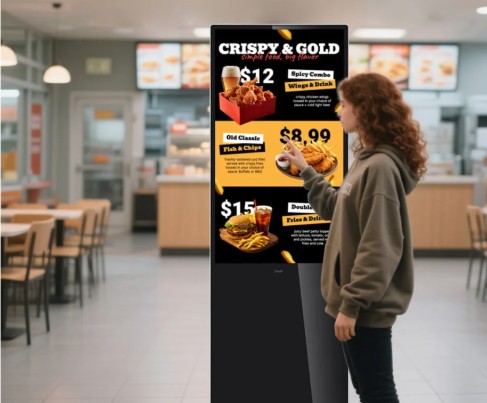
The visual experience of an event shapes how attendees feel about it long before the first speaker takes the stage. Arrival experience, wayfinding, branding, and the general atmosphere of a space all contribute to the impression an event makes, and all of them can be shaped by how digital signage is deployed. What has changed in recent years is the sophistication with which event professionals are approaching this dimension of production, moving from static printed banners toward dynamic, integrated digital environments that respond to the event in real time.
For conference organisers, exhibition designers, and live event producers, understanding what modern digital signage services can deliver is increasingly central to producing events that meet the expectations of contemporary audiences.
Beyond Wayfinding
The most basic function of event signage is navigation, helping attendees find registration desks, session rooms, catering areas, and exits. Digital signage performs this function more flexibly than print, with the ability to update in real time as schedules change, room assignments shift, or capacity fills. But limiting the application of digital signage to wayfinding understates its impact on the event experience considerably.
Dynamic digital displays create the visual energy that transforms a venue from a passive container into an active environment. The lobby of a conference centre that would feel institutional and corporate with standard printed banners becomes an immersive branded space when the walls carry motion, content responds to the event’s programme, and sponsor messaging rotates smoothly through high-resolution displays. This visual environment communicates production value before a single scheduled session begins.
Sponsor integration is another dimension where digital signage creates value that print cannot match. Sponsors increasingly expect their investment to translate into visible, dynamic presence throughout an event rather than a logo on a banner. Digital displays allow sponsor content to be scheduled, rotated, and targeted to specific locations and times within the event, giving organisers a more compelling proposition to present to commercial partners.
The Technical Infrastructure Behind Seamless Delivery
What separates genuinely effective outdoor digital signage hire from a collection of screens is the content management and technical infrastructure behind it. A well-designed digital signage system for a conference or exhibition allows organisers to push content updates across the entire display network simultaneously, schedule content to change automatically at specific times, and integrate with event management platforms so that session information, speaker bios, and live schedules remain accurate throughout the event.
This level of integration requires planning and technical expertise that goes beyond simply placing screens in a venue. The display locations need to be mapped to sight lines, content needs to be designed for each display format and aspect ratio, and the network infrastructure needs to ensure reliable connectivity across all display points. When this is done well, the signage feels like a seamless part of the event rather than an afterthought.
Exhibition Applications
Trade exhibitions present a distinct set of requirements that differ from conferences. Individual exhibitors compete for attendee attention in a shared space, and the visual presentation of each stand contributes directly to traffic and engagement. Digital signage services in Melbourne designed for exhibition environments provide exhibitors with the tools to create compelling, dynamic stand presentations without the lead time and inflexibility of custom print production.
Video walls, interactive displays, and motion graphics allow exhibitors to demonstrate products, tell brand stories, and present technical information in formats that static displays cannot achieve. The ability to update content between days, or even between different visitor sessions within the same day, means exhibitors can tailor their presentation to different audience profiles without reprinting materials.
Planning for Integration
The most common mistake in event digital signage is treating it as a procurement decision rather than a production decision. Selecting display hardware is the last step in a process that should begin with defining the visual objectives for the event, mapping the attendee journey, identifying the key moments where dynamic visual content will have the most impact, and then specifying the technology that supports those objectives.
Engaging a technical partner early in the event planning process, rather than at the point of equipment hire, produces significantly better outcomes. The decisions made about content strategy, display placement, and system integration during the planning phase determine whether the finished installation feels considered and purposeful or assembled at the last minute.