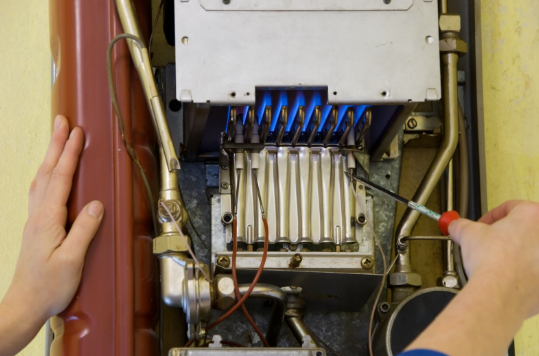
Before Calgary’s winter sets in, it’s essential to perform a thorough furnace inspection and tune-up to ensure safe, efficient operation throughout the coldest months. This includes replacing the air filter, checking thermostat accuracy, clearing vents, inspecting the blower components, and verifying that the ignition system and heat exchanger are functioning properly. A well-maintained furnace not only delivers consistent warmth but also prevents unexpected failures, reduces energy consumption, and minimizes the risk of hazardous issues like carbon monoxide leaks.
Calgary winters arrive fast and furious – often with little warning – and when temperatures plummet below -20°C, a reliable heating system isn’t a luxury; it’s a lifeline. Many homeowners only realize their furnace has issues when they’re already shivering through a no-heat emergency, scrambling for last-minute help in the middle of a snowstorm. That’s why proactive care is so critical. Simple steps like testing your thermostat, cleaning air registers, and listening for odd sounds can catch problems early.
For more complex tasks – especially those involving gas lines or internal components – most residents turn to trusted local experts for Calgary furnace maintenance to ensure everything runs smoothly when the cold truly bites. In the sections ahead, we’ll walk you through a practical, step-by-step checklist to winterize your system, highlight warning signs that demand professional attention, and explain how timely care can prevent common issues like a furnace that keeps shutting off unexpectedly.
Comprehensive Furnace Maintenance Checklist Before Winter
Winter in Calgary doesn’t just test your patience – it tests your furnace. A system that seemed fine in October can struggle under the strain of sustained sub-zero temperatures. That’s why a pre-winter tune-up is non-negotiable. Below is a practical, step-by-step checklist that balances DIY tasks with clear guidance on when to step back and call a professional.
Test and Calibrate Your Thermostat
Your thermostat is the brain of your heating system. If it’s giving inaccurate readings, your furnace may run too long, not enough, or cycle erratically – sometimes mimicking a scenario where the furnace keeps shutting off. To test it, place an accurate room thermometer next to the thermostat. After 15 minutes, compare the readings. If they differ by more than 2°C, recalibrate or consider upgrading to a smart thermostat, which can learn your schedule and adjust temperatures automatically for better efficiency.
Replace or Clean the Air Filter
A dirty air filter is one of the most common – and preventable – causes of furnace strain. It restricts airflow, forcing the system to work harder and potentially overheat. Standard 1–3-inch filters should be replaced every 1–3 months during peak heating season. If you have pets or suffer from allergies, check it monthly. A clean filter not only improves indoor air quality but also helps maintain consistent heat distribution throughout your home.
Inspect and Clean Vents and Ducts
Go room by room and ensure all supply and return vents are unobstructed. Furniture, rugs, or even stored boxes can block airflow, creating pressure imbalances that reduce efficiency. Use a vacuum with a brush attachment to remove dust from vent covers. While you’re at it, listen for whistling or rattling sounds when the system runs – these can indicate duct leaks or loose connections that may require attention during routine furnace services.
Check the Blower Motor and Belts
Locate your furnace’s blower compartment (usually behind a removable panel). Look for visible dust buildup on the motor and fan blades – gently wipe with a dry cloth if safe to do so. If your system uses a belt-driven motor, inspect the belt for cracks, fraying, or slack. A worn belt can slip or snap, causing the blower to stop and triggering a safety shutdown. Note: Many modern furnaces use direct-drive motors with no belts, so consult your manual before attempting any maintenance.
Examine the Heat Exchanger
This is a critical – but not DIY – step. The heat exchanger separates combustion gases from the air circulating in your home. Even a hairline crack can allow carbon monoxide to leak into your living space. Signs of trouble include soot buildup, unusual odours, or water pooling near the furnace base. Because visual inspection alone isn’t enough, a certified technician uses specialized cameras and combustion analysis tools to assess integrity. Never attempt this yourself – it’s a job for qualified professionals during a full safety inspection.
Verify Gas Connections and Ignition System
If you have a gas furnace, ensure the ignition system lights reliably. Older models with a standing pilot should have a steady blue flame; a yellow or flickering flame may indicate incomplete combustion. Newer units use electronic ignition – listen for clicking sounds followed by a whoosh of ignition. If the system clicks repeatedly but fails to light, it could signal a faulty igniter, gas valve issue, or airflow problem. These issues fall under the scope of gas furnace repair and should be addressed promptly to avoid safety risks or system damage.
Clear the Area Around the Furnace
Maintain at least two to three feet of clearance around your furnace. Remove boxes, cleaning supplies, paint cans, or holiday decorations. Not only does clutter pose a fire hazard, but it also restricts airflow needed for proper combustion and cooling. Additionally, ensure the floor around the unit is dry and free of debris – moisture or corrosion can signal underlying issues like condensation problems or drain clogs in high-efficiency models.
Comparison Table: DIY vs. Professional Furnace Maintenance Tasks
| Task | DIY? | Pro Needed? | Why? |
| Replacing air filter | Yes | No | Simple, low-risk, improves airflow |
| Thermostat calibration | Yes | No | Most modern thermostats allow user adjustments |
| Cleaning vents/registers | Yes | No | Basic housekeeping; enhances circulation |
| Inspecting heat exchanger | No | Yes | Requires combustion analysis & safety certification |
| Checking gas lines | No | Yes | Risk of gas leaks; regulated by Alberta safety codes |
| Blower motor lubrication | Sometimes | Recommended | Over-lubrication can attract dust and cause wear |
| Full system efficiency test | No | Yes | Involves AFUE testing, static pressure checks, and diagnostics |
If your system has been acting up – making odd noises, emitting strange smells, or failing to maintain temperature – it may be time to consider professional heating repair. Ignoring these signs can turn a minor issue into a full-blown breakdown when you need heat most.
When to Call a Professional for Calgary Furnace Maintenance
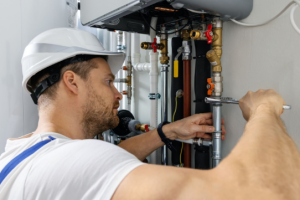
Even the most diligent homeowners reach a point where DIY maintenance isn’t enough – especially in a climate as demanding as Calgary’s. While replacing a filter or clearing a vent is manageable, your furnace’s internal components involve gas, electricity, and combustion systems that require specialized training and certification under Alberta’s safety codes.
There are clear warning signs that it’s time to step back and call in a qualified technician. For instance, if your furnace repeatedly cycles on and then shuts down after just a minute or two, it may be overheating due to restricted airflow, a faulty limit switch, or a cracked heat exchanger. This behaviour – often described as the furnace keeps shutting off – is a protective response, but it also means your home isn’t getting consistent heat.
Other red flags include:
- A yellow or flickering pilot flame (should be steady and blue), which can signal incomplete combustion and potential carbon monoxide production
- Unusual smells like rotten eggs (indicating a gas leak) or burning plastic (suggesting electrical issues)
- Loud banging, screeching, or rattling noises that weren’t present last season
- A sudden spike in your natural gas or electricity bill without changes in usage
- Cold spots in your home despite the thermostat reading the correct temperature
If your system is over 15 years old, it’s also wise to schedule an annual inspection – even if it seems to be working fine. Older units are more prone to efficiency loss and component failure, and a small issue today could escalate into a full no-heat emergency during a -30°C cold snap.
In cases involving gas lines, ignition systems, or heat exchanger integrity, attempting repairs without proper credentials isn’t just risky – it’s illegal in many instances. Licensed technicians don’t just fix what’s broken; they perform a full diagnostic that includes airflow measurement, gas pressure testing, and safety shutdown verification. This level of care is what separates a quick patch from reliable, long-term heating repair.
And while routine upkeep can prevent many problems, some situations demand immediate attention. If you suspect a gas leak (smell of sulfur or “rotten eggs”), leave your home immediately and call 911 or ATCO Gas at 1-800-511-3447. Never try to troubleshoot gas-related issues yourself.
Final Thoughts: Stay Warm, Safe, and Efficient This Winter
Calgary’s winter doesn’t negotiate – and neither should your furnace’s reliability. Taking time now to inspect, clean, and service your heating system isn’t just about comfort; it’s a proactive step toward safety, efficiency, and peace of mind when the mercury drops and the wind howls across the prairies. A well-maintained furnace operates more quietly, uses less energy, and is far less likely to leave you scrambling during a sudden cold snap.