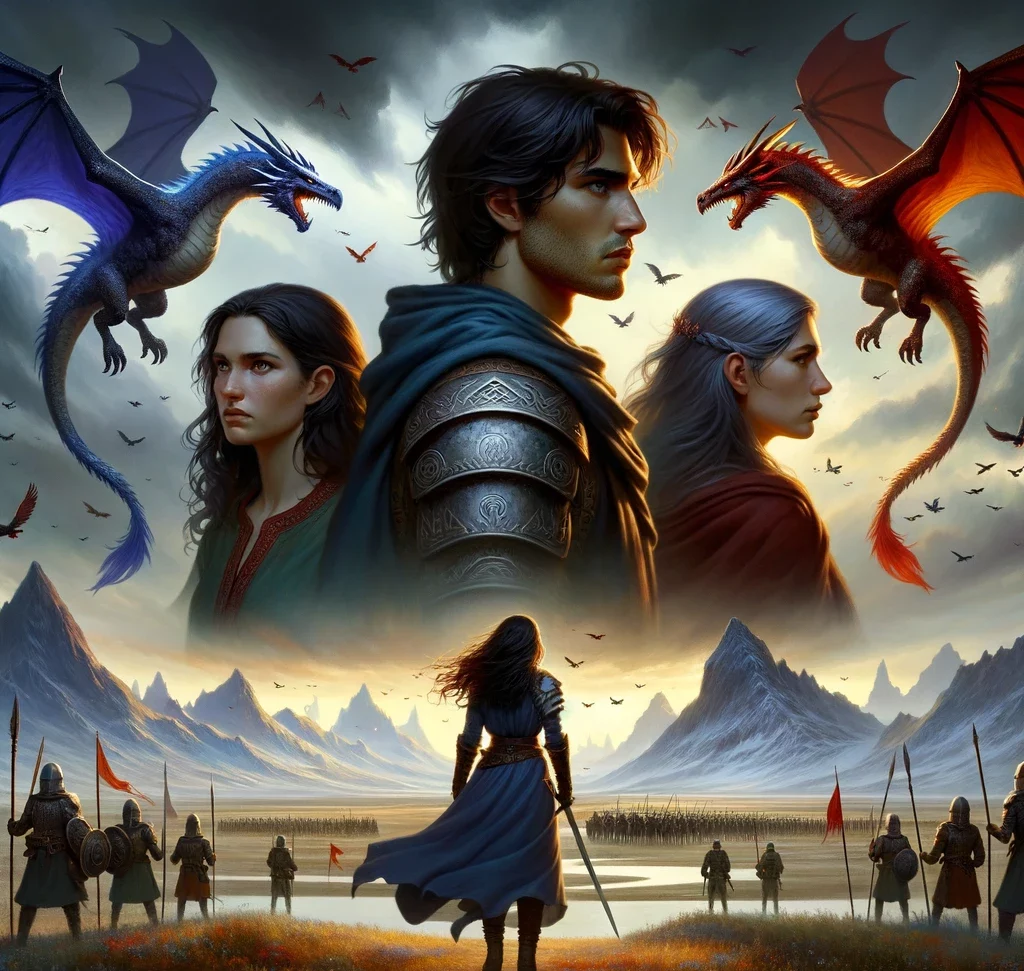
Fourth Wing Characters are an essential part of the captivating narrative that draws readers into an enthralling world of adventure and intrigue. Each character is meticulously crafted, showcasing unique traits, motivations, and backgrounds that resonate with fans.
From fearless heroes to complex antagonists, the diversity among these characters enriches the story, making it a compelling read.
Their dynamic interactions and personal journeys add depth to the overarching plot, ensuring readers are invested in their fates. Discovering the nuances of Fourth Wing characters enhances the reading experience, inviting fans to immerse themselves in their thrilling adventures.
Top 8 Fourth Wing characters
1. Violet Sorrengail
Background
Violet Sorrengail is the protagonist of Fourth Wing. As a member of the Sorrengail family, she comes from a lineage known for its strong dragon riders. However, Violet is initially perceived as weak due to her physical condition and her love for books over combat training. Her character arc is central to the story, as she transforms from an underestimated underdog into a formidable dragon rider.
Motivation
Violet’s primary motivation is to prove herself in a world that views her as incapable. Her passion for dragon riding stems from her desire for acceptance and respect. Throughout the story, she battles self-doubt and societal expectations, ultimately discovering her strength and resilience.
Relationships
Violet’s relationships are pivotal to her character development. She shares a deep bond with her dragon, who becomes her ally and confidant. Additionally, her friendships and rivalries with other characters, particularly her complex dynamic with her family and fellow cadets, significantly influence her journey.
2. Xander Alaric
Background
Xander Alaric is a key figure in Violet’s life, representing both a rival and a potential ally. He is charismatic, skilled, and comes from a powerful family with a rich history of dragon-riding. Initially, Xander appears to embody the qualities of a typical antagonist, often clashing with Violet due to their differing backgrounds and motivations.
Motivation
Xander is driven by a desire to uphold his family’s legacy and prove his worth as a dragon rider. His motivations are complicated by his growing feelings for Violet, leading to internal conflicts as he navigates loyalty to his family and his budding affection for her.
Relationships
Xander’s relationship with Violet is marked by tension and growth. Their interactions oscillate between rivalry and camaraderie, ultimately culminating in a deeper understanding of each other. Xander’s character serves to challenge Violet, pushing her to confront her limitations and embrace her potential.
3. Rhea Stormrider
Background
Rhea Stormrider is a fierce and ambitious character, known for her exceptional skills as a dragon rider. She comes from a prestigious family and carries the weight of their expectations. Rhea is portrayed as a strong and determined individual who is unafraid to fight for her place in the academy.
Motivation
Rhea’s motivations are rooted in her desire for recognition and respect. She strives to prove herself not only to her family but also to her peers. Her journey involves grappling with the pressures of competition and the need to balance her ambition with genuine connections.
Relationships
Rhea’s relationships are complex, particularly with Violet and Xander. Initially, she views Violet as a rival, but as the story progresses, their relationship evolves into one of mutual respect. Rhea’s interactions with Xander are also significant, as their shared ambitions create both camaraderie and tension.
4. Thalia Blackwood

Background
Thalia Blackwood is introduced as a mysterious and enigmatic character in Fourth Wing. She is known for her intelligence and strategic thinking, often serving as the brains behind various plans. Thalia’s background is shrouded in secrecy, which adds an intriguing layer to her character.
Motivation
Thalia’s motivations are driven by a desire for knowledge and understanding. She is fascinated by the magical elements of dragon-riding and seeks to uncover hidden truths about their world. Her thirst for knowledge often puts her at odds with more traditional views held by her peers.
Relationships
Thalia’s relationships with other characters are marked by her independent nature. She forms a unique bond with Violet, as both characters share a sense of being outsiders in their ways. Thalia’s insights and perspectives contribute significantly to the group dynamics, especially during moments of crisis.
5. Commander Sorrengail
Background
Commander Sorrengail, Violet’s mother, plays a critical role in the narrative, serving as a mentor and authority figure. Her character embodies strength and discipline, reflecting the values of the military academy. As a seasoned dragon rider, she carries the weight of her family’s legacy while grappling with her ambitions.
Motivation
Commander Sorrengail’s motivations are deeply tied to her desire to uphold family honor and ensure the success of her daughter. She is protective of Violet, yet her expectations often create tension between them. Her character explores the complexities of familial relationships, especially in a high-stakes environment.
Relationships
The relationship between Commander Sorrengail and Violet is central to the story. Their dynamic fluctuates between support and conflict, as both characters navigate their roles within the academy. The pressures of expectations and the desire for approval create a rich emotional landscape for their interactions.
6. The Dragons
Background
The dragons in Fourth Wing are not merely pets or tools for the characters; they are integral to the narrative and possess their personalities and abilities. Each dragon has a unique bond with its rider, reflecting the depth of their connection.
Motivation
The dragons’ motivations often align with those of their riders, but they also possess their instincts and desires. They seek companionship, loyalty, and the thrill of flight, which adds an emotional layer to the story. The dragons’ perspectives enhance the exploration of themes like freedom and the bond between rider and beast.
Relationships
The relationships between the dragons and their riders serve as a focal point in Fourth Wing. These connections illustrate the themes of trust, loyalty, and mutual respect. The dragons act as mirrors to their riders, reflecting their strengths and weaknesses while contributing to their growth.
7. Character Spotlight

Background
- Provides essential backstory.
- Explain the character’s origin and journey.
Motivation
- Reveals driving forces behind actions.
- Highlights personal goals and desires.
Personality Traits
- Describes core characteristics.
- Illustrates how traits influence behavior.
Relationships
- Explores connections with others.
- Shows how relationships shape character development.
Strengths
- Identifies skills and positive attributes.
- Demonstrates how strengths contribute to success.
Weaknesses
- Acknowledges flaws and vulnerabilities.
- Explains how weaknesses create conflict.
Conflict
- Discusses internal and external struggles.
- Highlights challenges faced throughout the story.
Growth
- Showcases character development over time.
- Illustrates lessons learned and transformation.
8. The Role of Magic in the Fourth Wing
- Integral to the World: Magic is woven into the fabric of society, shaping culture, governance, and daily life.
- Source of Power: Different characters harness unique magical abilities, giving them power and influence.
- Conflict Driver: Magical abilities often lead to conflict, both between individuals and factions, highlighting the struggle for control.
- Character Development: Magic plays a crucial role in the growth and transformation of characters, revealing their strengths and weaknesses.
- Symbol of Identity: Characters’ magical powers often reflect their heritage, values, and personal journeys.
- Magic as a Tool: Characters use magic strategically, employing it for protection, manipulation, or offense.
- Moral Ambiguity: The use of magic raises ethical questions, as its power can be used for good or evil.
- Connection to Nature: Many magical elements are tied to natural forces, emphasizing the bond between magic and the environment.
- Limitations and Risks: Magic comes with limitations and risks, adding tension and stakes to the narrative.
- Catalyst for Change: Magic often acts as a catalyst for major plot developments, driving the story forward and leading to significant revelations.
Frequently Asked Questions
What is character development?
Character development refers to the process of creating a believable and relatable character in a story. It involves exploring their personality, motivations, and growth throughout the narrative, allowing readers to connect with them on a deeper level.
Why is character depth important in storytelling?
Depth in characters enhances the emotional impact of the story and makes it more engaging for readers. Well-developed characters evoke empathy, allowing audiences to invest in their journeys and experiences.
How can I create a compelling backstory?
A compelling backstory is crafted by understanding the character’s past experiences and how these shape their present actions and beliefs. It should be relevant to the plot, providing insights that enrich the character’s motivations and decisions.
What role do relationships play in character development?
Relationships with other characters are crucial for revealing traits and driving the narrative forward. They can create conflict, foster growth, and help to illustrate the character’s values and priorities.
How do I show character growth effectively?
Showing character growth involves demonstrating changes in beliefs, behaviors, or motivations throughout the story. This can be achieved through key events, challenges faced, and lessons learned, allowing readers to witness the transformation firsthand.
Conclusion
Character development is an essential element of storytelling that creates depth, relatability, and engagement for readers. By carefully constructing characters with rich backstories, complex motivations, and evolving relationships, writers can craft narratives that resonate on an emotional level.
Strong character development not only enhances the overall story but also invites readers to reflect on their own experiences and emotions. Incorporating various aspects of character growth—such as conflicts, relationships, and personal challenges—ensures that characters feel authentic and multi-dimensional.
This depth allows readers to become invested in the characters’ journeys, leading to a more immersive reading experience. Ultimately, well-developed characters drive the narrative forward, making their struggles and triumphs feel meaningful and impactful.