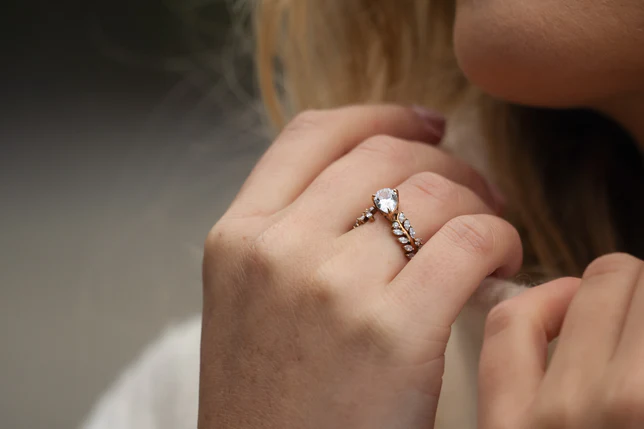
Choosing the perfect stone for an engagement ring is a deeply personal decision, influenced by taste, budget, and values. While diamonds have long been the traditional choice, there’s a growing variety of gemstones available, each offering its own unique beauty and significance. This article explores the different types of stones commonly used in engagement rings, with a focus on natural diamonds, lab-grown diamonds, and other popular gemstones.
1. Natural Diamonds
Overview: Natural diamonds are formed deep within the Earth’s mantle under high pressure and temperature over millions of years. They are renowned for their brilliance, hardness, and timeless appeal. Diamond rings made from these natural stones not only look amazing but also symbolize enduring love and commitment. Their durability and sparkle make them a popular choice for engagement and special occasions, ensuring that these rings will remain cherished for a lifetime.
Characteristics:
- Cut: The cut of a diamond affects its sparkle. Common cuts include round, princess, emerald, and oval.
- Clarity: This refers to the presence of internal or external flaws. Higher clarity diamonds are rarer and more valuable.
- Colour: Diamonds are graded from D (colourless) to Z (light yellow or brown). The closer to colourless, the more valuable the diamond.
- Carat: This measures the weight of the diamond. Larger diamonds are typically more expensive.
Pros:
- Durability: Diamonds are the hardest natural substance, making them highly durable for everyday wear.
- Tradition: They have a long-standing tradition as symbols of eternal love.
Cons:
- Cost: Natural diamonds can be quite expensive.
- Ethical Concerns: Some buyers are concerned about the environmental and ethical implications of diamond mining.
2. Lab-Grown Diamonds
Overview: Lab-grown diamonds are created in controlled environments using high-pressure high-temperature (HPHT) or chemical vapour deposition (CVD) methods. They have the same physical and chemical properties as natural diamonds. Find your perfect lab-grown diamond engagement ring at Mouza
Characteristics:
- Cut, Clarity, Colour, and Carat: Lab-grown diamonds can be of comparable quality to natural diamonds in these aspects.
- Certification: Reputable lab-grown diamonds are graded and certified by gemological institutions, ensuring their quality.
Pros:
- Ethical and Environmental Impact: Lab-grown diamonds are often considered a more ethical choice, with less environmental impact compared to mined diamonds. For those seeking ethically sourced gems, loose diamonds from Whiteflash offer a high-quality, sustainable alternative without compromising on brilliance or beauty.
- Cost: They are generally more affordable than natural diamonds, offering better value for money.
Cons:
- Resale Value: Lab-grown diamonds may not hold their value as well as natural diamonds in the resale market.
- Perception: Some buyers prefer natural diamonds for their rarity and tradition.
3. Sapphires
Overview: Sapphires are a variety of corundum, typically blue, but they can come in other colours as well. They are valued for their rich hues and durability. An engagement ring with sapphire will make your ring unique.
Characteristics:
- Colour: The most sought-after sapphires are deep blue, but they also come in pink, yellow, green, and more.
- Durability: Sapphires are second in hardness only to diamonds, making them ideal for everyday wear.
Pros:
- Variety: Available in a range of colours and can be paired with diamonds for added sparkle.
- Symbolism: Traditionally associated with wisdom and nobility.
Cons:
- Cost: High-quality sapphires can be expensive, though generally less than diamonds.
4. Rubies
Overview: Rubies are another variety of corundum and are prized for their vibrant red colour. They symbolise passion and love.
Characteristics:
- Colour: The most valuable rubies are a deep, vivid red, often referred to as “pigeon’s blood” red.
- Durability: Rubies are also quite durable, making them suitable for engagement rings.
Pros:
- Colour: The rich red colour is striking and can be a unique choice for engagement rings.
- Symbolism: Associated with love, passion, and power.
Cons:
- Price: High-quality rubies can be very costly, often approaching the price of diamonds.
5. Emeralds
Overview: Emeralds are known for their lush green colour and are a member of the beryl family. They are a symbol of rebirth and love.
Characteristics:
- Colour: The most valuable emeralds are a deep green with a hint of blue.
- Durability: Emeralds are more prone to inclusions and fractures compared to diamonds, making them less durable.
Pros:
- Uniqueness: Their vibrant green colour offers a distinctive look.
- Symbolism: Represents fertility, rebirth, and love.
Cons:
- Fragility: Emeralds can be more susceptible to damage due to their inclusions.
- Maintenance: They may require more care and occasional treatments.
6. Other Gemstones
Overview: There are many other gemstones that can be used in engagement rings, including topaz, amethyst, aquamarine, and opal. Each has its own unique characteristics and symbolism.
Characteristics:
- Variety: Offers a wide range of colours and styles.
- Symbolism: Each gemstone carries its own set of meanings and traditions.
Pros:
- Personalisation: Allows for unique and personalised choices based on preferences and meanings.
- Affordability: Many alternative gemstones are less expensive than diamonds.
Cons:
- Durability: Some gemstones may not be as durable as diamonds and may require special care.
Whether you choose a classic diamond, a lab-grown gem, or a colourful alternative, the stone you select for an engagement ring should reflect both your personal taste and values. Natural and lab-grown diamonds offer timeless elegance and durability, while other gemstones provide opportunities for unique and meaningful choices. Ultimately, the best choice is one that aligns with your vision of commitment and beauty, ensuring that your engagement ring is as special as the love it represents.