Ethnic marketing means planning products, services, and campaigns for specific ethnic, language, or cultural groups inside one country. This approach helps brands reach large groups of customers whose needs are often ignored, bringing access to trillions of dollars in spending power and building strong loyalty in communities that may feel unseen.
The main challenges are higher costs for research and custom content, and the real risk of cultural mistakes or stereotypes that can harm a brand. As countries grow more diverse and connected, understanding ethnic marketing All 4 Comms has become a key part of building and growing a modern business.
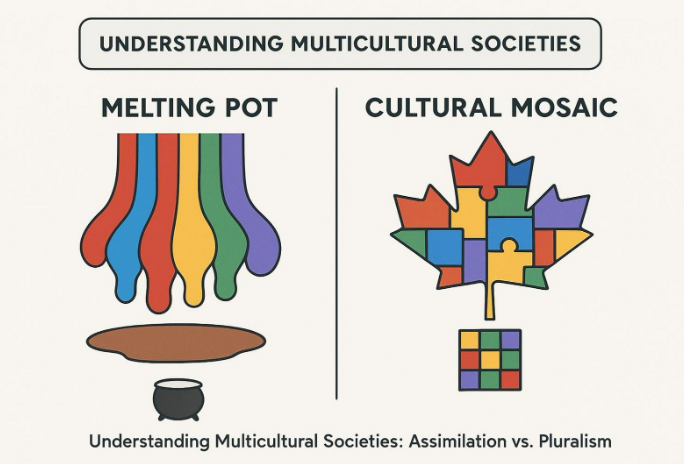
Today, the “one-size-fits-all” marketing model is quickly disappearing. As we move further into 2026, data shows that societies look less like a single “melting pot” and more like a “multiethnic mosaic” or “salad bowl,” where different cultures keep their identity and are appreciated for it.
Brands that want to stay relevant must learn to speak to specific cultures-using both their actual languages and their deeper cultural codes.
What Is Ethnic Marketing?
Ethnic Marketing vs. Multicultural and International Marketing
People often mix these terms, but they are not the same. Ethnic marketing focuses on particular cultural groups living inside one country-for example, targeting Hispanic or Asian American communities in the United States.
International marketing, on the other hand, focuses on audiences in different countries. Ethnic marketing sits under the wider field of multicultural marketing, which includes many types of diversity such as race, age, gender, and identity.
This difference matters because ethnic minorities living inside a larger country often deal with a “dual identity.” They may be fully part of the local economy, while still keeping their own traditions, language preferences, and values from their culture of origin.
Good ethnic marketing recognizes and respects this mix of identities, while international marketing usually focuses more on the everyday customs and norms in another country.
Key Features of Ethnic Marketing
Ethnic marketing is built on “cultural referents.” These are symbols, traditions, holidays, and language details that tell a consumer, “This brand gets me.” It is not just about translating words. It often means “transcreating” the message-reshaping it so that it fits the beliefs, humour, and values of a specific group.
Key features often include:
- Using native or preferred languages
- Highlighting certain cultural or religious holidays (for example, Lunar New Year or Diwali)
- Using images and stories that feel true to people’s daily lives and experiences
The goal is to stop treating a group as “other” and instead bring their viewpoint into the brand’s story in a genuine way.
Why Do Businesses Use Ethnic Marketing?
Market Growth and Demographic Shifts
Population data shows why ethnic marketing is becoming necessary. In the United States, multicultural consumers already make up more than 40% of the population. By 2042, the U.S. is expected to become “majority multicultural,” with the White share of the population continuing to fall. Gen Z is already the most racially and ethnically diverse generation so far, which makes ethnic marketing a key approach for staying relevant to tomorrow’s main buyers.
Ignoring these demographic changes leads to slow or no growth. When nearly all population growth comes from racial and ethnic minorities, a brand that does not adjust its strategy is choosing to target a shrinking market. Smart companies see that the “mainstream” is now multicultural.
Consumer Behavior in Ethnic Communities
Research shows that ethnic audiences respond more strongly to campaigns that respect and reflect their culture. Distinctiveness theory suggests that when people see their own identity clearly shown in an ad, they feel more positive and emotionally connected to the brand. This is clear in groups like the Hispanic community, where about half of consumers say they feel more loyal to brands that actively highlight and respect their culture.
Buying habits can also vary widely between groups. For example, Black households may spend more on certain product categories, such as small appliances or fresh foods, compared to the total population. Asian American consumers may place more emphasis on quality and trusted recommendations from close friends and family. Knowing these patterns means businesses can answer specific needs that generic campaigns would miss.
Agencies with international reach, such as https://all4comms.com/, use these insights to plan and implement effective comms campaigns that resonate with specific audiences, whether in Poland or among communities living abroad.
What Are the Benefits of Ethnic Marketing?
Expands Market Reach and Business Opportunities
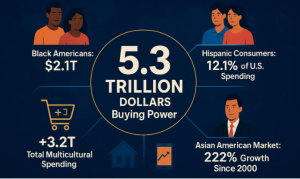
One clear benefit is a larger customer base. By recognising groups that competitors ignore, brands can access what many call “the new majority.” In the U.S. alone, Hispanic, Black, and Asian American consumers together have an estimated buying power of around $5 trillion. Ethnic marketing offers a way to reach these fast-growing markets that many brands still overlook.
Promotes Positive Brand Perception and Loyalty
When a brand shows genuine cultural respect, it builds trust. Today’s consumers, especially younger ones, want brands to be inclusive and socially aware. Using diverse faces, stories, and experiences sends a clear message: “Everyone matters here.” This helps create strong advocacy, where satisfied customers who feel seen and respected recommend the brand inside their own networks and communities.
Improves Customer Retention and Engagement
Winning a new customer usually costs much more than keeping an existing one. Ethnic marketing can create a feeling of closeness and belonging. When a brand like McDonald’s runs Lunar New Year campaigns that center family and tradition in ways that match Chinese cultural values, it builds emotional ties that go beyond the food itself. These bonds support long-term loyalty, even in crowded markets.
Fosters Innovation through Cultural Insights
Working closely with diverse groups often leads to new ideas and products. A well-known example is Rihanna’s Fenty Beauty. The brand changed the cosmetics industry by launching 40 (later 50) shades of foundation. By meeting the needs of people with darker skin tones-who had long been ignored by big brands-Fenty Beauty gained a devoted customer base and pushed the whole industry to offer more inclusive shade ranges and product lines.

What Are the Challenges of Ethnic Marketing?
Higher Campaign and Research Costs
Doing this work in a genuine way usually costs more at the beginning. A strong ethnic marketing plan needs detailed cultural research, specialist agencies or consultants, focus groups, and unique creative content. You often cannot just reuse an existing ad with a different voice-over. Many times you need entirely new materials that speak clearly and honestly to a group’s culture and daily life.
Risk of Cultural Missteps and Stereotyping
The line between honoring a culture and misusing it can be thin. Marketers without enough knowledge can easily fall into clichés or reinforce shallow images, which can quickly cause public backlash and hurt a brand’s image. A poor translation or using a symbol without knowing its religious or cultural meaning can turn away the audience the brand was hoping to win over.
Limited Internal Diversity in Teams
Reaching a diverse audience is very hard if everyone planning the campaign has a similar background. When marketing teams lack diversity, they can miss warning signs that something is offensive or out of touch. Building a team with people from different cultures and identities is a basic requirement for credible ethnic marketing.
Managing Authenticity and Sensitivity
Modern consumers quickly spot fake or shallow efforts. If a brand only adds a token image or symbol during a certain month-such as including a diverse model in one campaign without any deeper commitment-it can be viewed as “race-washing” or pure box-ticking. True authenticity needs ongoing support and presence in a community, not just short-term or seasonal campaigns.
Complexity in Measuring Campaign Success
Standard metrics like reach, clicks, or impressions may not show the full impact of an ethnic marketing effort. Success often depends on how well the campaign connects emotionally and how people feel about it, which are harder to measure. Marketers usually need both:
- Quantitative data (sales, web traffic, engagement rates)
- Qualitative insights (surveys, interviews, focus groups, social listening)
This mix helps them see whether they are building real, long-term relationships with the communities they want to reach.
How to Build an Effective Ethnic Marketing Strategy
Conduct In-Depth Cultural and Market Research
Good strategy starts with solid information. You need to know how a target group uses media, what they value most, and what problems they are trying to solve. This goes beyond simple statistics. It calls for studying people’s daily lives, motivations, and habits so you can understand the reasons behind their choices, not just the numbers.
Involve Diverse Team Members in Planning
To speak convincingly to a cultural group, you should have people from that group involved in idea development and decision-making. A diverse team can catch jokes, slang, gestures, and traditions that others might misinterpret. This helps the final message feel natural, respectful, and relevant.
Gather Feedback Directly from Targeted Communities
Avoid guessing what a group wants. Ask them directly. You can do this through:
- Community events or partnerships
- Social media polls and comments
- Formal research such as focus groups and interviews
Early feedback allows you to adjust your ideas and avoid mistakes before launch, and it helps you shape campaigns that genuinely reflect people’s hopes, concerns, and daily experiences.
Choose Media Channels Aligned with Target Groups
Different groups tend to spend more time on different channels. For example:
- Many Hispanic audiences follow Spanish-language TV, radio, and digital outlets.
- Black consumers often lead trends on social platforms and streaming services.
Picking channels that match your audience’s habits means your message is more likely to reach and engage the people you are trying to speak to.
Prioritize Authentic Messaging and Representation
Real representation is about accurate stories, not just images. Work with models, creators, and influencers who are actually part of the community. Check that language, slang, and cultural references (such as Spanglish phrases) are natural to native speakers. Instead of translating word for word, reshape your content so that it reflects how people in that group really speak and think.
Partner with Influential Community Leaders or Influencers
Trust is central to ethnic marketing. Teaming up with leaders, activists, creators, or influencers who already have respect inside a community can give your brand extra credibility. These partners act as guides and can help your brand enter conversations more carefully, especially in communities that may be wary of large companies.
What Are Common Mistakes in Ethnic Marketing Campaigns?
Stereotyping and Overgeneralization
One of the biggest errors is treating an entire ethnic group as if everyone within it is the same. The “Hispanic” market, for instance, includes more than 20 different national and cultural backgrounds-Mexican, Puerto Rican, Cuban, Colombian, and many more-each with their own phrases, foods, and customs. Assuming a single message will work for all of them usually leads to weak and inaccurate campaigns. Being specific and precise is the best way to avoid this.
Lack of Cultural Sensitivity and Understanding
Language and symbols can easily cause problems if you do not fully understand them. A well-known example is General Motors’ struggle with the “Nova” model in Spanish-speaking markets because “no va” sounds like “it doesn’t go.”
Another example is using the number “24” in offers for some Chinese audiences, where it may sound similar to phrases about “easy death.” Detailed cultural research is needed to avoid mistakes like these.
Diluting Core Brand Identity
Adapting to different cultures does not mean changing who you are as a brand. The goal is to find the overlap between your brand values and the values of the community you want to reach. If you change your tone and message too much from one market to another, people may feel that you are pretending, which can damage trust with both new and existing customers.
Focusing on Too Many Groups Without Clear Strategy
Trying to target every ethnic group at once often leads to weak results. A better approach is to choose one or two key segments based on your product, your current customers, and your growth plans. Then, invest properly in those segments and build strong, deep campaigns instead of many shallow ones.
Key Takeaways for Brands Embracing Ethnic Marketing
Creating Meaningful Connections with Diverse Audiences
Ethnic marketing is mainly about building honest, respectful relationships with people. It means moving from seeing customers only as numbers to recognising their backgrounds, stories, and cultures. Brands that succeed show real, long-term care for the communities they serve and use their campaigns to lift voices, share real stories, and move away from outdated advertising habits.
Balancing Brand Consistency with Cultural Tailoring
Strong ethnic marketing keeps your core brand message steady while adjusting the details to fit each culture. Someone in a mainly Asian neighborhood in Los Angeles and someone in an Eastern European area in London should both be able to recognise your brand instantly. The language, music, and images might change, but the basic values and promise should feel the same.
Looking ahead, “ethnic marketing” may eventually become just “marketing,” because diversity is quickly becoming the standard rather than the exception. Brands that can handle many cultures at once will lead the market. Beyond profits, thoughtful ethnic campaigns can help build a more inclusive society by improving visibility, breaking down stereotypes, and sharing powerful stories.
Moving from a “melting pot” idea to a “mosaic” mindset is not just a population shift-it is a chance for brands to be more creative, more human, and more successful in a richly diverse world.