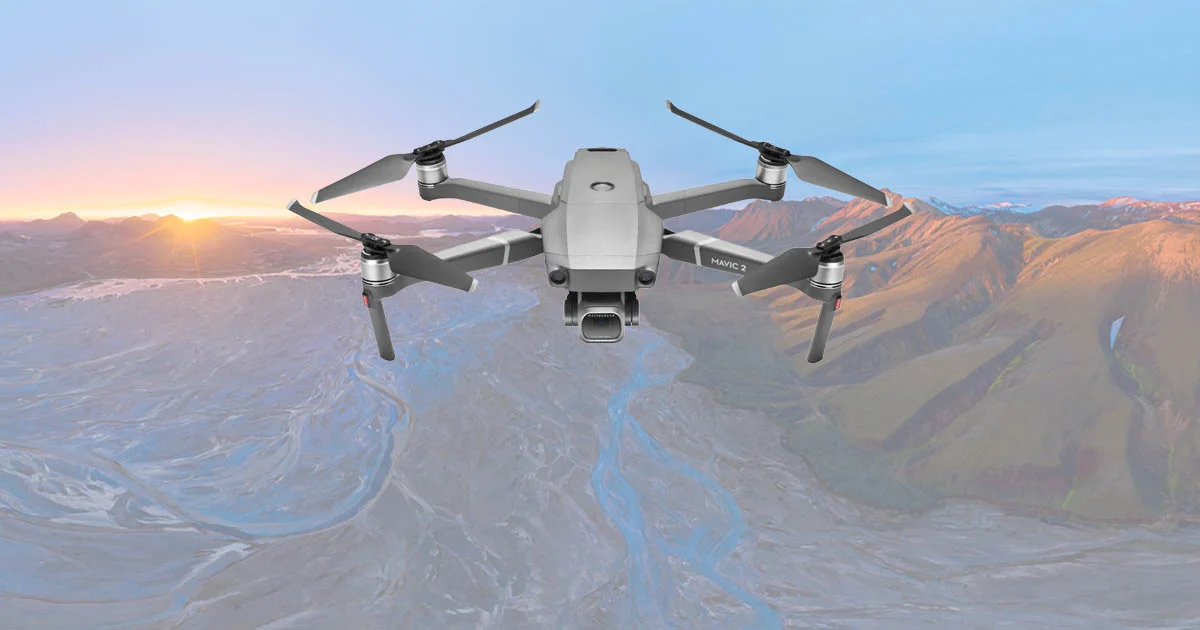
Drone photography has rapidly transformed the way we see and document the world around us. Once limited to expensive helicopter rentals or tall buildings, aerial imagery is now accessible to professionals and hobbyists alike through relatively affordable consumer drones. This technological shift has opened up new creative possibilities in photography, filmmaking, mapping, journalism, and even environmental science.
At its core, drone photography is the practice of capturing still images or video footage using an unmanned aerial vehicle (UAV), commonly known as a drone. These flying cameras are typically equipped with high-resolution sensors, stabilizing gimbals, and GPS navigation systems that allow for smooth, controlled flight and precise positioning. The combination of mobility and advanced imaging technology has made drones one of the most powerful tools in modern visual storytelling.
The Evolution of Drone Photography
The concept of aerial photography is not new. Early versions date back to the mid-19th century when cameras were attached to balloons and kites. Later, airplanes and helicopters became the primary platforms for capturing images from above. However, these methods were expensive, logistically complex, and often inaccessible to independent creators.
The introduction of consumer drones in the early 2010s marked a turning point. Companies began producing compact, easy-to-fly drones with built-in cameras capable of shooting high-definition and later 4K video. As battery life improved and stabilization technology advanced, drones became more reliable and practical for everyday use. Today, drone photography is not only a professional tool but also a popular hobby worldwide.
Why Drone Photography Matters
One of the most compelling aspects of drone photography is its ability to offer a completely new perspective. By elevating the camera above ground level, photographers can capture sweeping landscapes, geometric patterns, and dynamic compositions that would otherwise be impossible to see.
This bird’s-eye view is particularly powerful in landscape photography. Mountains, coastlines, forests, and deserts take on new forms when viewed from above. Rivers snake through terrain like veins, roads become abstract lines, and natural patterns emerge that are invisible from the ground.
Urban photography also benefits greatly from drones. Cities transform into intricate grids of architecture, traffic, and human activity. Rooftops, bridges, and skyscrapers become design elements in a larger visual composition. This perspective can reveal both the beauty and complexity of urban environments.
Beyond aesthetics, drone photography plays an important practical role. In agriculture, drones are used to monitor crop health and irrigation patterns. In construction, they provide progress updates and site surveys. In disaster response, they help assess damage in areas that may be unsafe for humans to enter. Journalists use drones to document events from a safe and comprehensive vantage point, while environmental scientists rely on them to track changes in ecosystems over time.
Essential Equipment for Drone Photography
While drone photography has become more accessible, choosing the right equipment is still crucial for achieving high-quality results. Most photography drones come with built-in cameras, but their capabilities vary widely.
Entry-level drones are typically lightweight and easy to control, making them ideal for beginners. They often include automated flight modes such as “follow me,” “orbit,” or “waypoint navigation,” which help users capture smooth footage without advanced piloting skills.
Mid-range and professional drones offer larger sensors, better dynamic range, and higher resolution capabilities. Some can shoot in RAW format, allowing for more detailed post-processing. Advanced models also feature obstacle avoidance systems, longer flight times, and stronger wind resistance.
Accessories also play an important role. Extra batteries are essential for longer shooting sessions, while ND (neutral density) filters help control exposure in bright conditions. Carrying cases, propeller guards, and landing pads improve safety and convenience.
Techniques for Better Drone Photography
Although drones make aerial photography more accessible, capturing truly compelling images still requires skill and creativity. One of the most important principles is composition. Just like traditional photography, rules such as the rule of thirds, leading lines, and symmetry apply strongly in aerial shots.
For example, positioning the horizon along the upper or lower third of the frame can create a more balanced and visually appealing image. Roads, rivers, or coastlines can be used as leading lines to guide the viewer’s eye through the photo. Symmetrical compositions, especially in urban environments, can produce striking visual effects.
Lighting is another critical factor. The “golden hour,” which occurs shortly after sunrise or before sunset, is often the best time for drone photography. During these times, the light is softer, shadows are longer, and colors appear warmer. Midday lighting, on the other hand, can be harsh and may wash out details.
Altitude control is also important. Flying too high can flatten the image and reduce detail, while flying too low may limit the sense of scale. Experimenting with different heights allows photographers to find the most effective perspective for each scene.
Motion techniques, such as slow forward pushes or circular orbits around a subject, can add a cinematic quality to drone footage. Even when capturing still images, slight movement between shots can help explore different angles and compositions.
Legal and Ethical Considerations
As drone usage has increased, so have regulations. Most countries have specific laws governing where and how drones can be flown. These rules often include altitude limits, no-fly zones near airports or government buildings, and requirements for pilot registration or certification.
Respecting privacy is also essential. Flying over private property without permission or recording individuals without consent can raise ethical and legal concerns. Responsible drone pilots always prioritize safety, privacy, and compliance with local regulations.
Environmental awareness is another important consideration. Drones should not disturb wildlife, particularly in sensitive habitats or breeding areas. Maintaining a safe distance helps protect animals and preserve natural behavior.
The Future of Drone Photography
The future of drone photography is closely tied to advancements in technology. Artificial intelligence is already being integrated into drones, enabling smarter tracking, automated obstacle avoidance, and intelligent subject recognition. This allows for more complex shots with less manual control.
Improved battery technology is expected to extend flight times, while lighter and more durable materials will make drones even more portable. Camera sensors will continue to evolve, offering better low-light performance and higher resolutions, potentially reaching levels suitable for professional cinema production.
We may also see greater integration between drones and other technologies, such as augmented reality and 3D mapping. This could open new possibilities in virtual tourism, real estate visualization, and interactive media.
Conclusion
Drone photography represents a powerful fusion of technology and creativity. It has changed not only how images are captured but also how we perceive the world. From breathtaking landscapes to practical industrial applications, drones have expanded the boundaries of visual storytelling.
As technology continues to evolve, drone photography will likely become even more accessible, intelligent, and versatile. Whether used for artistic expression, scientific research, or commercial work, drones are reshaping the way we see our planet—one flight at a time.