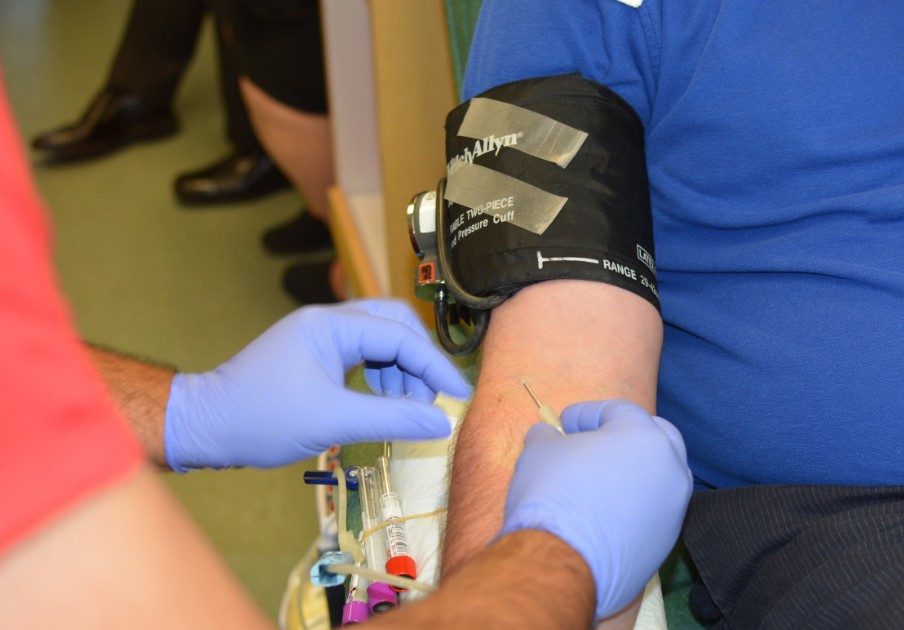
Plasma donation is one of the most practical ways an individual can help patients facing serious and sometimes lifelong medical conditions. Yet many people know only a little about what plasma is, how donation works, or why collection centers are such an important part of the healthcare system. For residents in and around Calexico, learning more about the process can turn uncertainty into confidence and curiosity into action.
A well-run plasma center Calexico in CA does more than collect donations. It serves as a bridge between willing donors and patients whose treatments depend on plasma-derived therapies. That connection is easy to overlook because most donors never meet the people their plasma ultimately helps. Still, the impact is very real. Plasma is used in therapies for immune disorders, clotting conditions, trauma recovery, burn care, and a range of other medical needs that require a dependable supply of human plasma.
For first-time donors, the process may feel unfamiliar. Questions about safety, eligibility, time commitment, and physical recovery are completely normal. The good news is that plasma donation is highly structured, medically supervised, and designed to be as safe and manageable as possible for eligible participants. Once people understand how the process works, it often feels far less intimidating than expected.
This guide explains what plasma is, why it matters in medical care, what to expect during the donation process, how to prepare for your visit, and how local donors in Calexico can become part of something much larger than a single appointment.
Why Plasma Matters So Much in Healthcare
Blood is made up of several components, and plasma is one of the most essential among them. It is the light yellow liquid that carries blood cells throughout the body. While red blood cells often get the most attention, plasma plays a wide-ranging role in keeping the body functioning properly.
Plasma helps transport nutrients, hormones, and proteins. It supports blood pressure and fluid balance. It also carries antibodies and clotting factors, both of which are medically important. In simple terms, plasma is not just a fluid background for blood cells. It is an active and necessary part of the body’s internal support system.
The reason this matters so much in medicine is that plasma contains components that can be separated and used to create therapies for patients with serious health conditions. These therapies cannot simply be manufactured without human donors. That makes every donation meaningful in a direct and practical way.
For anyone considering visiting a plasma center Calexico in CA, understanding this first point is important. Donating plasma is not only an act of generosity. It is participation in a medical supply chain that patients depend on every day.
The Science Behind Plasma-Derived Treatments
Plasma is valuable because of the substances it contains. Among the most medically important are immunoglobulins, albumin, and clotting factors. These are used in treatments that support patients facing very different health challenges.
Immunoglobulins Help Support the Immune System
Immunoglobulins are antibodies that help the body fight infection. Patients with immune deficiencies may not produce enough of their own, which can leave them vulnerable to illness. Plasma-derived immunoglobulin therapy helps strengthen their ability to defend against infection and maintain better quality of life.
Clotting Factors Are Essential for Certain Blood Disorders
Some patients, including those with hemophilia, rely on clotting factors derived from plasma. Without these treatments, they may face serious bleeding risks from injuries or even routine activities. Plasma donation helps ensure these therapies remain available.
Albumin Supports Recovery in Several Medical Situations
Albumin is another important protein found in plasma. It helps maintain fluid balance in the bloodstream and may be used in cases involving burns, trauma, surgery recovery, or liver-related conditions. It is one more example of how a single donation can support very different types of care.
These medical uses explain why plasma collection remains such a priority. A local plasma center Calexico in CA is part of a much larger healthcare network, and donors help keep that network functioning.
How Plasma Donation Differs From Blood Donation
Many first-time donors assume plasma donation is basically the same as blood donation, but the two processes are different in a few key ways.
In a standard whole blood donation, blood is collected and then separated later into components such as red cells, platelets, and plasma. In plasma donation, the process is more specific. Blood is drawn from the donor, plasma is separated out by a machine, and the remaining components are returned to the body during the same appointment.
This process is called plasmapheresis. Because red blood cells and platelets are returned, the body’s recovery pattern differs from that of whole blood donation. The session may also take longer than a standard blood donation, particularly for someone donating for the first time.
That longer appointment sometimes creates the impression that plasma donation is more difficult or more uncomfortable. In reality, most donors describe it as manageable, especially once they know what to expect. The donation is performed with modern equipment under close staff supervision, and the process is designed to prioritize both safety and donor comfort.
For people considering the plasma center Calexico in CA, understanding this difference helps set expectations more realistically.
Who Can Usually Donate Plasma
Eligibility rules exist to protect both the donor and the patients who may receive plasma-based treatments. While specific criteria can vary slightly from one center to another, most donors need to meet basic standards related to age, weight, health status, and medical screening.
Generally, donors must be adults, meet a minimum weight requirement, provide valid identification, and complete a health questionnaire. They also undergo basic screening that typically includes checking blood pressure, pulse, temperature, and certain blood values before donation begins.
Some people assume they will not qualify because of medication use, minor health history issues, or past ineligibility for blood donation. But plasma donation rules can differ depending on the reason. That is why it is helpful to speak directly with a qualified donation center rather than assuming you are ineligible.
A reputable plasma center Calexico in CA will walk potential donors through the screening process and explain current eligibility requirements clearly. If someone is unable to donate at the moment, staff can often explain why and whether the issue may be temporary.
How to Prepare Before Your First Donation
Preparation can make a noticeable difference in how smooth the donation experience feels. The process begins well before you arrive at the center.
Hydration is one of the most important steps. Drinking enough water in the day before and the day of your appointment can help support circulation and make the donation process easier. Many centers also recommend eating a balanced meal with protein a few hours before your appointment.
Heavy alcohol use and very greasy meals are usually best avoided beforehand. These can affect how you feel and, in some cases, may interfere with the donation process itself.
It is also wise to bring the correct identification and any documents the center requires. Wearing clothing with sleeves that can be rolled up comfortably is another small but practical detail that helps.
If you plan to visit a plasma center Calexico in CA for the first time, taking these simple steps can make the experience feel far more comfortable and predictable.
What Happens During the Donation Visit
The first visit usually takes the longest because it includes registration, screening, and education along with the donation itself. Knowing the basic sequence ahead of time can help reduce anxiety.
Check-In and Health Screening
After arriving, you will typically check in, verify identification, and complete health history forms. Staff review your answers and perform a brief physical screening to confirm that donation is safe that day.
The Donation Process Itself
Once cleared, you will be taken to the donation area. A trained staff member will place a needle in your arm and begin the plasmapheresis process. The machine draws blood, separates the plasma, and returns the remaining components to your body. During this time, many donors simply relax, watch something on a screen, listen to music, or sit quietly.
Post-Donation Monitoring
After the session is finished, staff usually ask donors to remain briefly in a recovery area. This gives your body a chance to adjust and allows the team to make sure you feel well before leaving.
At a good plasma center Calexico in CA, the process should feel orderly, professional, and supportive from beginning to end.
Recovery and Post-Donation Care
The donation itself is only part of the process. What you do afterward also matters.
Most centers encourage donors to drink more fluids after leaving and to have a snack or light meal. This helps your body replace fluid volume and restore energy. If you feel tired or slightly lightheaded, taking it easy for the rest of the day is usually the best response.
Heavy exercise, strenuous lifting, or intense outdoor activity are often better postponed until later. Most people recover without difficulty, but paying attention to your body is still important, especially if it is your first time donating.
This is another reason why choosing a strong plasma center Calexico in CA matters. Clear aftercare instructions and attentive staff can make the whole experience smoother and more reassuring.
Why Local Donation Centers Matter to Community Health
Donation centers are not just service locations. They are part of the broader healthcare infrastructure. A local center helps connect willing donors to life-saving therapies that would not exist without human plasma.
This has a direct community value. Even if the final plasma-based medications are distributed more widely, the local act of donation strengthens a chain of care that countless patients rely on. It also helps create local awareness of what community support can look like in practical terms.
When people donate plasma consistently, they help support the stability of the supply. That matters because patient need is ongoing. Plasma therapies are not one-time emergency tools. Many patients depend on them regularly, sometimes for years.
In that sense, the work done at a plasma center Calexico in CA is both local and far-reaching. It reflects a community-level commitment that contributes to care well beyond the city itself.
Common Concerns and Misunderstandings
A number of myths still discourage people from considering donation, even when they would otherwise be interested.
One common concern is that plasma donation is extremely painful. In reality, the main discomfort is typically limited to the initial needle insertion, similar to other blood-related procedures. After that, most donors report only mild awareness of the process rather than significant pain.
Another misconception is that donating plasma is unsafe or weakens the body severely. Donation centers follow medical protocols to screen donors carefully and monitor the process closely. Plasma also replenishes more quickly than many people realize, though centers still regulate how often donors can give.
There is also the mistaken belief that only certain types of people can benefit from plasma. In truth, plasma supports patients across a wide range of conditions, from bleeding disorders to immune deficiencies and recovery after trauma.
By asking questions and learning more, many potential donors find that their concerns become much easier to manage.
The Human Side of Donation
Facts and procedures matter, but for many donors the deeper reason to return is the sense of purpose the experience creates. Donation is one of the few ways an ordinary person can support advanced medical treatment in such a direct way.
Some donors begin because a friend or family member was helped by plasma-based therapies. Others start because they want to give back in a meaningful but practical way. Many continue because the experience feels grounded, tangible, and connected to something larger than themselves.
A well-run plasma center Calexico in CA often helps foster that feeling by treating donors with respect and making the process feel like a genuine contribution rather than just a transaction.
Final Thoughts
Plasma donation is a powerful form of community support. It helps supply therapies that many patients depend on for survival, treatment, and recovery. Although the process may feel unfamiliar at first, it becomes much more approachable once you understand what plasma does, how donation works, and what to expect from a quality center.
For residents interested in visiting a plasma center Calexico in CA, the first step is simply learning enough to make an informed decision. With good preparation, realistic expectations, and the support of professional staff, donating plasma can become a meaningful and manageable part of giving back.
It is a simple act with a very wide reach. And for many donors, that combination of practicality and purpose is exactly what makes it worth doing.