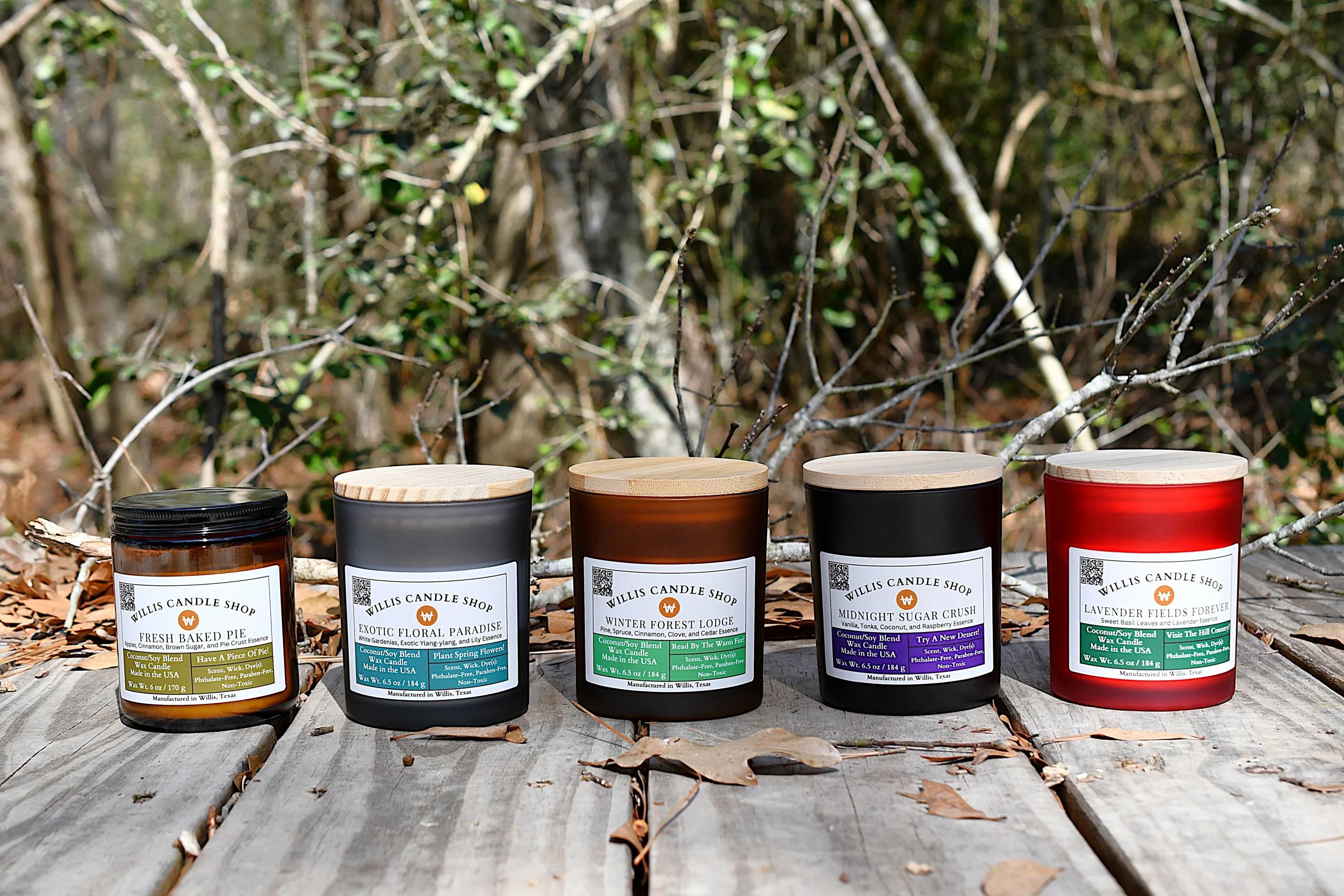
In the aggressive landscape of modern digital e-commerce, the difference between a high-conversion sales page and a high-bounce rate is decided in milliseconds. When a potential customer lands on your page, they aren’t just reading copy—they are visually assessing the value of your product. For brands specializing in scented candles, the photography is not merely a marketing utility; it is the primary bridge between the product’s physical reality and the customer’s imagination. High-resolution, meticulously crafted images serve as the ultimate language of trust. Whether you are shooting artisanal home goods or luxury accessories, the quality of your visual assets dictates your brand’s authority and market positioning.
To build a truly authoritative e-commerce brand, you must treat your photography as a high-functioning technical asset. This is exactly where the Willis Candle Shop has set a benchmark for the industry, demonstrating that a commitment to visual transparency and high-fidelity assets is the true hallmark of a superior online experience. However, operating a digital storefront today requires a delicate, data-driven dance between aesthetic beauty and technical performance. You must treat your photography as a piece of digital architecture that balances pixel-perfect clarity with the ruthless demands of modern page load speeds. If your images are optimized poorly, you lose the audience before they ever see the product; if they are optimized too heavily, you lose the critical detail—the texture of the wax, the clarity of the label, the structure of the wick—that makes the product worth buying.
The Performance Paradox: Quality vs. Load Speed
The first rule of professional product photography is resolution, but the secondary, and arguably more important rule in 2026, is speed. We are conditioned to zoom in; if your images are blurred or pixelated at the edges, you are telling the customer that your product isn’t worth a closer look. However, professional standards dictate that high megabyte (MB) counts come with a significant cost. If you upload massive, uncompressed RAW or high-resolution files to your hero section, your PageSpeed Insights scores on mobile and desktop will plummet.
Search engines like Google actively penalize slow-loading sites, which effectively hides your high-quality content from potential customers. There is a precise balance to be achieved here. For hero images at the top of your home page, you should aim for file sizes below 350KB. You need enough pixel density to maintain absolute clarity on a high-definition Retina display, but enough compression to ensure the page renders instantly. Never compromise on focus or the integrity of the image, but utilize modern file formats like WebP to retain crispness while stripping away unnecessary metadata. Remember, a high-performing site that loads in under two seconds is significantly more valuable to your bottom line than an image that is technically perfect but remains invisible because it never fully loaded for the user.
The Invisible Engine: Why Alt Text is Non-Negotiable
One of the most frequent mistakes amateur photographers and e-commerce store owners make is ignoring the metadata behind the image. Every image on your site requires descriptive, keyword-rich Alt Text. This serves two critical functions that go far beyond simple tagging. First, it allows search engine bots (like Googlebot) to “read” your image, which significantly boosts your organic search rankings. If your image is simply named “IMG_001.jpg,” you are invisible to search engines.
Second, Alt Text is the backbone of web accessibility. Sight-challenged users rely on screen readers to interpret your visual content. If you fail to include Alt Text, you are effectively barring a significant portion of your audience from interacting with your brand.
Pro-Tip: Your Alt Text should be vivid and functional. Instead of “Candle,” use “A side-profile shot of a natural soy and coconut wax candle in a frosted glass vessel, lit in a warm, ambient living room setting.” This provides the search engine with crucial context and gives the human user with a visual impairment a vivid description of what you are selling.
Establishing Visual Consistency: Studio vs. Lifestyle
In professional product photography, consistency is the foundation of brand recognition. A common pitfall is the lack of uniformity across a product catalog. To build a professional brand, you should maintain a consistent, neutral background for all your primary product listings. Whether it is a clean white, a soft gray, or a deep slate, keeping your product-only shots uniform creates a seamless browsing experience. It eliminates distractions and forces the viewer to focus entirely on the product’s attributes.
The only place where variation and uniqueness should appear is within your lifestyle photography. This is where you place the candle in the “real world”—on a rustic wooden table, beside a book, or in a dimly lit bedroom. Here, you have the creative license to play with lighting, mood, and environment. These lifestyle images are what sell the experience, while the consistent studio shots sell the product.
Elevating Engagement with Dynamic Content
Static images are the floor, not the ceiling. To keep a user on the page—increasing what we call “dwell time”—you need to diversify your content. Integrating visual tables and YouTube video content into your product guides is the most effective way to do this.
A well-constructed table allows you to present complex data in a scannable format. If you are comparing different product variations, a table helps the user make an informed decision without needing to hunt through paragraphs of text.
Comparative Product BreakdownProduct FeatureStandard Paraffin CandleArtisan Wax BlendMaterial BasePetroleum ByproductSoy, Coconut, BeeswaxCombustion TempHigh/UnstableThermally StableFragrance LoadLow/ArtificialHigh-Performance/EngineeredHealth ImpactVolatile VOCsPhthalate/Paraben-FreeVisual TextureUniform/SyntheticNatural/Authentic
Beyond tables, embedding high-quality YouTube video content is a game-changer. A 30-second “burn-test” or “unboxing” video provides a level of proof that a still image cannot. It demonstrates the product in a real-world environment, builds trust, and keeps the user engaged with your platform significantly longer than text alone.
Practical Application: The Artisanal Standard
When you examine an eco-friendly candle collection through a professional lens, you realize that the photography team isn’t just snapping photos; they are capturing the “invisible architecture” of the product. This means using lighting that highlights the natural wax textures—even if those textures are slightly imperfect—to signal authenticity to the customer.
When you look at their gallery, you see a standard of manufacturing. The images highlight the wick centering, the clean burn, and the label clarity. These are deliberate photographic choices made to convey transparency. By prioritizing high-res imagery, they allow the customer to zoom in and see the ingredient list on the label, which builds immediate consumer confidence.
If you are a photographer or brand owner looking to elevate your work, follow this blueprint:
- Light with Purpose: Don’t rely on flat, front-facing light. Use side-lighting to create depth and shadow, which reveals the texture of your materials and the shape of your vessel.
- Consistency is King: Ensure your white balance and color temperature remain consistent across your entire catalog. A mismatch in color tone between two similar products makes a site look cluttered and unprofessional.
- Optimize for Mobile: Most of your traffic will view your work on a smartphone. Ensure your composition works as well in a vertical crop as it does in a landscape wide shot.
Building the Visual Future of E-Commerce
Photography in the commercial space is evolving rapidly. It is no longer enough to be an artist; you must be an analyst. You need to understand how Google views your site, how screen readers interpret your content, and how a user interacts with a page. By combining the aesthetic rigor of professional photography with the technical requirements of modern SEO, accessibility, and performance metrics, you create a digital environment that is not only beautiful but functional.
Whether you are capturing high-end product photography for an artisanal brand or documenting architectural shots, the principles remain the same: high resolution optimized for performance, descriptive metadata, and dynamic content integration are the pillars of success. Stop treating your images as afterthoughts and start treating them as the core assets of your business. Your customers—and the search algorithms—will reward you for it. By committing to these standards, you transform your website from a simple gallery of snapshots into a high-functioning vessel for commerce, storytelling, and long-term brand equity. This is the new standard of the e-commerce industry; those who adapt to these technical and aesthetic demands will lead the market, while those who remain static will be left in the dark.