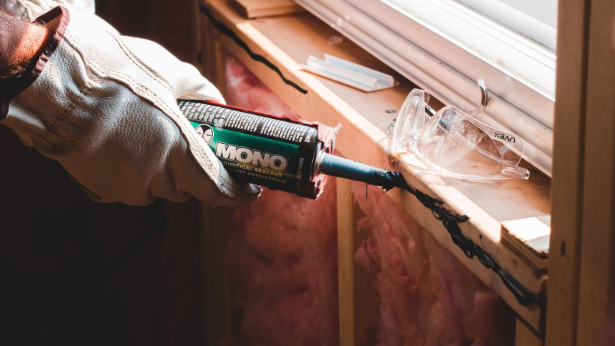
Commercial caulking maintenance should be treated as a planned building expense, not an emergency repair. For Ottawa property managers, regular inspections and timely replacement can help prevent water intrusion, drafts, interior damage, and avoidable complaints from tenants.
The amount required in the budget will depend on the size, age, design, and condition of the building. Weather exposure also matters because Ottawa’s freeze-thaw cycles can cause sealants to crack, shrink, or separate sooner than expected.
Understand What Caulking Protects
Commercial caulking seals gaps and joints around areas where air and moisture can enter. Common locations include windows, doors, wall panels, expansion joints, roof details, vents, and transitions between different building materials.
When these joints fail, the problem may first appear small. Over time, however, moisture can reach insulation, drywall, framing, or interior finishes. Budgeting for commercial caulking Ottawa work can therefore support preventive maintenance and long-term asset protection.
Plan for Routine Inspections
A visual inspection should be included in the property’s annual maintenance schedule. High-rise buildings, older properties, and structures with exposed elevations may require more frequent reviews.
Property managers should ask maintenance teams or contractors to look for:
- Cracked, brittle, or missing sealant
- Gaps between the sealant and surrounding material
- Water stains near windows or exterior walls
- Drafts reported by occupants
- Mold, peeling paint, or damaged interior finishes
- Previous patch repairs that are starting to fail
These findings help determine whether a small repair allowance is enough or whether a larger replacement project should be planned.
Separate Minor Repairs From Full Replacement
Not every damaged joint requires a major project. Small localized sections may be cleaned and recaulked, while widespread deterioration may require complete removal and replacement.
A realistic maintenance budget should include separate amounts for inspections, minor repairs, access equipment, material removal, new sealant, labor, and possible interior damage. Buildings that require lifts, swing stages, traffic control, or work outside normal business hours may have higher project costs.
Consider the Building’s Age and Repair History
Newer buildings may only need monitoring and isolated touch-ups. Older buildings, especially those with original sealants or repeated leaks, may need phased replacement across several elevations.
Review past invoices, leak reports, tenant complaints, and repair records. If the same areas require attention every year, repeated patching may cost more than hiring professional caulking services to complete replacement.
Create a Contingency Allowance
Hidden conditions are common during exterior maintenance. Once old sealant is removed, contractors may discover damaged substrates, corrosion, wet insulation, or failed surrounding materials.
Setting aside a contingency allowance gives property managers room to address these issues without delaying the work. The percentage should reflect the building’s age, access challenges, and known history of water problems.
Schedule Work Before Peak Season
Caulking projects depend on suitable temperatures, dry surfaces, and safe working conditions. Planning early allows time for inspections, quotations, approvals, tenant notices, and contractor scheduling.
Including commercial caulking in the annual operating budget also reduces the chance of rushed decisions after a leak appears. A documented maintenance plan helps owners understand why the expense is necessary and when larger replacement work may be expected over time.