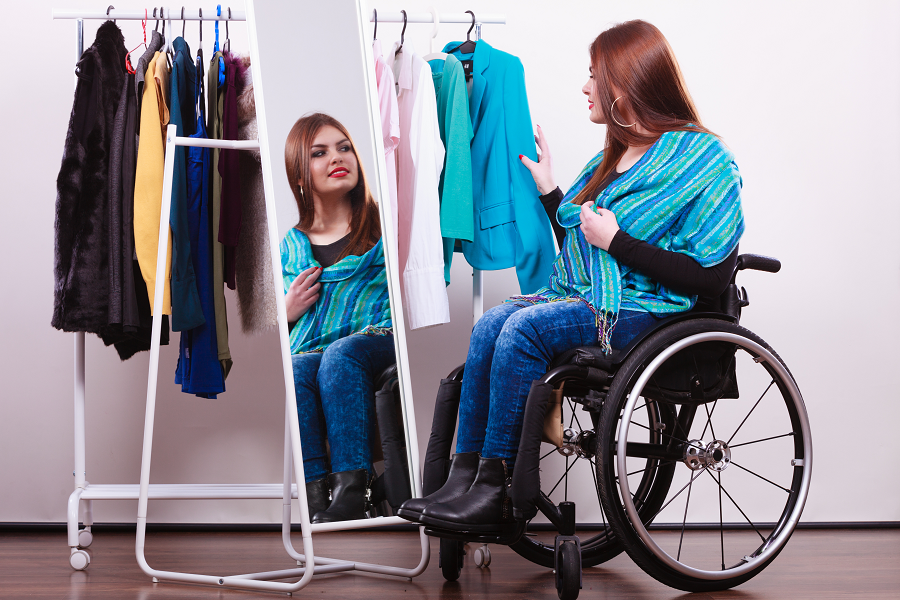
Getting dressed is one of those daily tasks that people barely notice until it becomes difficult. Fashion is usually discussed as self expression, status, trend, or taste. Much less often, it is discussed as a tool for energy, independence, and time. That is where accessibility and adaptive fashion become far more interesting. They are not only about what clothes look like. They are about what clothes allow a person to do before the day even really starts.
That shift becomes easier to see when you stop thinking about fashion as a runway subject and start thinking about it as daily equipment. The same way a kitchen can be designed to make cooking smoother, clothing can be designed to make movement, dressing, and comfort easier. Small choices in closures, fabric, stretch, and adjustability matter. So do practical features such as custom webbing straps, which reflect how thoughtful construction can support function without making a garment feel clinical or awkward.
What makes adaptive fashion exciting is that it pushes back on an old idea. For too long, accessible clothing was treated like a compromise. You could have function, or you could have style, but not both. That mindset never made much sense. People with disabilities do not stop caring about color, fit, confidence, or personal style just because getting dressed may involve more steps. Good design should meet real needs and still feel current, expressive, and personal.
Why getting dressed matters more than most people think
When people talk about independence, they often focus on transportation, work, or technology. Those are important, but getting dressed is one of the first independence tests of the day. If clothing is hard to pull on, painful to wear, difficult to fasten, or frustrating to manage in a seated position, it can shape the tone of the entire day.
That is one reason adaptive fashion deserves more attention. It addresses real barriers that traditional clothing often ignores. A shirt that looks great on a hanger may be exhausting for someone with limited hand strength. Jeans that seem basic to one person may be uncomfortable for someone who uses a wheelchair. A jacket with tiny buttons may be more than annoying for someone with arthritis. The Centers for Disease Control and Prevention resource on disability and health makes a broader point that disability inclusion depends on reducing barriers to daily living, and clothing is part of that picture.
When fashion works better, the benefit is not just physical comfort. It also reduces stress, saves time, and gives people more control over how they present themselves. That matters more than many brands used to realize.
Adaptive fashion is really about design intelligence
The best adaptive clothing does not scream that it was designed differently. It simply works better for more people. That is what makes it smart design.
Magnets can replace difficult buttons. Side openings can help with seated dressing. Softer seams can reduce irritation for people with sensory sensitivities. Adjustable waistbands can create comfort without sacrificing shape. Strategic openings can make medical devices easier to access. None of these ideas are flashy on their own, but together they show what happens when brands pay attention to how bodies move through everyday life.
This way of thinking fits with the broader spirit of accessibility. The Americans with Disabilities Act guidance on effective communication explains that accessibility is not about making people adapt to a system that excludes them. It is about creating systems that work for different needs from the start. Clothing may not be a legal communication tool, but the design principle is similar. The smartest solution is often the one that assumes human variety is normal.
That is why adaptive fashion should not sit in a tiny niche corner of the industry. It should influence how all clothing is designed.
Style is part of access
One of the biggest misunderstandings about adaptive fashion is that function is enough. It is not. People want to feel like themselves in what they wear. They want to choose between relaxed, polished, bold, understated, sporty, trendy, and classic. They want options for work, dates, school, weddings, and lazy weekends. They want clothing that does not make them feel invisible.
Style matters because it affects mood and identity. It also affects whether people actually want to wear the clothes designed for them. A garment can be technically accessible and still miss the mark if it feels outdated, infantilizing, or disconnected from current fashion.
That is where the newer wave of adaptive design feels more promising. It is not just trying to solve one physical problem. It is trying to preserve dignity, confidence, and preference. That makes the clothing more useful in real life, because real life is social. People do not get dressed only to be covered. They get dressed to participate.
Mainstream fashion has a lot to learn here
Adaptive fashion is often framed as a special category, but many of its ideas are useful far beyond disability focused design. Anyone who has struggled with stiff waistbands, scratchy seams, awkward closures, or poor fit has already felt the limits of standard clothing design. Adaptive fashion exposes those limits clearly because it asks better questions.
What happens if the wearer is seated most of the day? What if they dress with one hand? What if fatigue changes what is comfortable from morning to evening? What if a person wants privacy while managing a medical device? What if sensory overload matters more than trend details?
Those questions lead to better clothes, period. They encourage the fashion industry to think less about the idealized body and more about the lived body. That is a healthier direction for everyone.
It also helps explain why adaptive fashion blends so naturally into mainstream trends now. The industry is finally catching up to a simple truth. Comfort, flexibility, and ease are not boring. They are signs of good design.
The future of fashion is more personal
The strongest future for adaptive fashion is not one where it stays separate. It is one where accessible features become normal options across sizes, silhouettes, and price points. People should not have to choose between looking good and getting dressed without pain or frustration.
That future also depends on listening to disabled people as designers, testers, consultants, and leaders. Too often, accessibility is treated like a correction made at the end of the process. It works better when it shapes the process from the beginning. The MedlinePlus overview of disabilities reminds readers that disability covers a wide range of physical, sensory, cognitive, and developmental conditions. That variety is exactly why one size fits all thinking fails in fashion.
In the end, accessibility and adaptive fashion are not only about clothing for a particular group. They reveal what fashion can be when it is forced to become more observant, more flexible, and more humane. They ask the industry to notice the realities of dressing, not just the fantasy of display.
And that may be the most useful way to think about it. Adaptive fashion is not simply a specialized market. It is a reminder that the best clothes do more than look right. They help people start the day with less effort, more confidence, and a stronger sense that style belongs to them too.