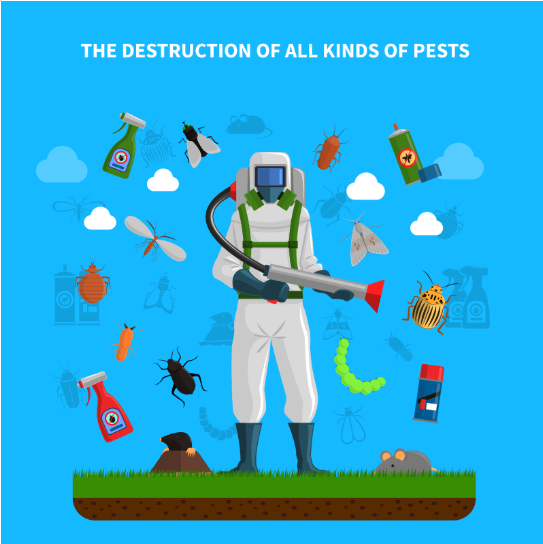
When it comes to protecting our homes and families, pest control extends far beyond mere annoyance. Many common household pests pose serious health risks, carrying diseases, triggering allergies, and creating hazardous living conditions. Understanding how to effectively manage these dangerous pests is crucial for maintaining a safe and healthy environment for you and your loved ones.
Pests such as mosquitoes, rodents, cockroaches, ticks, and flies are more than unwelcome visitors – they are potential vectors for serious diseases and health complications. From malaria and dengue fever transmitted by mosquitoes to salmonella spread by cockroaches, these creatures can turn your sanctuary into a breeding ground for illness. The key to protection lies in implementing comprehensive pest management strategies that address both prevention and active control measures.
Eliminate Standing Water Sources
One of the most effective ways to control disease-carrying pests is to eliminate their breeding grounds, particularly standing water. Mosquitoes, which are responsible for transmitting diseases like West Nile virus, Zika, and malaria, require stagnant water to complete their reproductive cycle. Even small amounts of water can become mosquito nurseries within days.
Begin by conducting a thorough inspection of your property, looking for any containers or areas where water might collect. This includes flower pots, bird baths, clogged gutters, old tires, buckets, and even bottle caps. Pet water bowls should be refreshed regularly, and swimming pools must be properly maintained with appropriate chemical treatments. Air conditioning units often create condensation that can pool in drip pans, providing ideal breeding conditions if not properly maintained.
Professional mosquito control services such as Fight the Bite often emphasize the importance of water management as the foundation of any effective treatment program. By removing these breeding sites, you significantly reduce the mosquito population around your home before they have a chance to multiply and spread disease. This proactive approach is far more effective than trying to eliminate adult mosquitoes after they have already established themselves in the area.
Maintain Rigorous Sanitation Practices
Cleanliness serves as your first line of defense against pests that threaten human health. Cockroaches, flies, and rodents are drawn to food sources and unsanitary conditions, and these pests are notorious for spreading bacteria, viruses, and parasites throughout living spaces.
Establish strict kitchen hygiene protocols by cleaning up spills immediately, storing food in sealed containers, and ensuring that crumbs and food particles are thoroughly removed from surfaces. Pay special attention to areas behind appliances, under sinks, and in pantries where food debris can accumulate unnoticed. Regular deep cleaning of these spaces disrupts pest feeding patterns and eliminates the attractions that draw them into your home.
Garbage management plays a crucial role in pest prevention. Use tightly sealed trash cans, empty them regularly, and clean the containers periodically to remove odors and residue that attract pests. Compost bins should be properly managed and located away from the main living areas. Even pet food can become a magnet for unwanted visitors, so store it in sealed containers and avoid leaving it out overnight.
The bathroom and laundry areas require equal attention, as moisture and organic matter create ideal conditions for various pests. Repair leaky pipes, ensure proper ventilation, and regularly clean drains where organic buildup can occur. These seemingly minor maintenance tasks significantly reduce the likelihood of pest infestations.
Implement Physical Barriers and Exclusion Methods
Creating physical barriers between pests and your living space is an essential component of health-focused pest management. This approach prevents dangerous pests from entering your home in the first place, reducing the need for chemical interventions and minimizing health risks.
Start by sealing entry points around your home’s exterior. Inspect the foundation, walls, and roof line for cracks, gaps, or holes that could serve as pest highways. Use appropriate materials such as steel wool, caulk, or hardware cloth to block these access points. Pay particular attention to areas where utilities enter the building, as these often create gaps that pests exploit.
Window and door screens serve as critical barriers against flying insects, including disease-carrying mosquitoes and flies. Ensure all screens are intact and properly fitted, repairing or replacing damaged sections promptly. For areas with high pest pressure, consider installing fine mesh screens that can block even small insects while maintaining airflow.
Door sweeps and weather stripping not only improve energy efficiency but also prevent crawling pests from entering beneath doors. Regularly inspect and maintain these barriers, as wear and damage can create new entry opportunities for unwanted visitors.
Deploy Targeted Treatment Solutions
When prevention measures need reinforcement, targeted treatments can effectively control dangerous pest populations while minimizing risks to human health. The key is selecting appropriate treatment methods that specifically address the pests threatening your family’s wellbeing.
For flying insects like mosquitoes, consider using larvicides in areas where standing water cannot be completely eliminated, such as storm drains or natural water features. These treatments target mosquito larvae before they mature into disease-carrying adults, providing long-term population control with minimal environmental impact.
Bait stations offer an effective approach for controlling rodents and cockroaches while keeping toxic materials away from children and pets. These enclosed systems allow pests to consume poison baits and return to their nests, where they eliminate other colony members. Strategic placement of bait stations in areas of high pest activity maximizes effectiveness while maintaining safety.
Integrated pest management approaches combine multiple treatment methods for comprehensive control. This might include using pheromone traps to monitor pest activity, applying targeted insecticides to specific areas, and employing biological controls that use natural predators to manage pest populations.
Establish Regular Monitoring and Maintenance Routines
Successful pest control requires ongoing vigilance and systematic monitoring to detect problems before they become health hazards. Establishing regular inspection routines allows for early intervention and prevents minor issues from developing into major infestations.
Create a monthly inspection schedule that covers all areas of your property, both indoor and outdoor spaces. Look for signs of pest activity such as droppings, gnaw marks, nesting materials, or unusual odors. Document your findings to track patterns and identify areas that may require additional attention or professional intervention.
Seasonal maintenance tasks should address changing pest pressures throughout the year. Spring cleaning should focus on eliminating overwintering sites and breeding areas that develop during warmer weather. Summer maintenance emphasizes mosquito control and management of flying insects. Fall preparations involve sealing entry points before pests seek winter shelter indoors.
Professional pest control services can provide valuable expertise in monitoring and treating dangerous pest populations. Regular service visits allow trained technicians to identify potential problems, apply appropriate treatments, and recommend property modifications that reduce future pest risks.
By implementing these five comprehensive strategies, homeowners can significantly reduce their exposure to pest-related health risks while creating safer, more comfortable living environments. Remember that effective pest control is an ongoing process that requires consistent attention and adaptation to changing conditions and pest pressures.