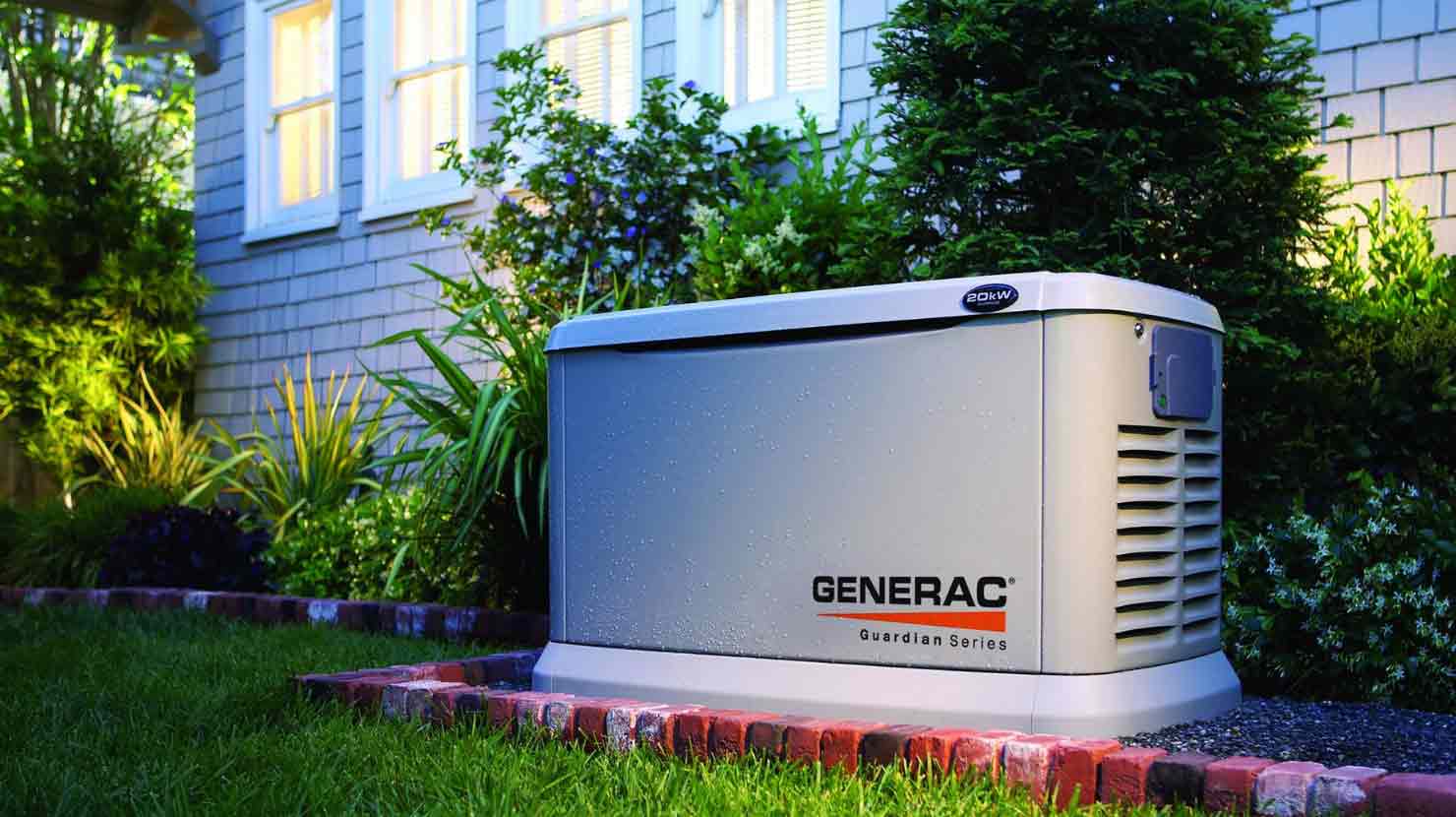
Whole home backup generator
What does it do?
A whole-home backup generator is a fixed home generator system that connects to the house and restores electricity during a power outage. Unlike many home power generators, this setup is built for fast response, steady operation, and better support of daily household needs.
Why do homeowners choose it?
Many homeowners want reliable backup power for refrigeration, heating, lighting, internet access, and key appliances. A properly sized backup generator can also help protect sensitive electronics and bring more peace of mind when utility service fails.
If you are comparing backup generator installation for NJ homes, the first thing to decide is whether you want full-home coverage or only essential circuits. That choice shapes size, cost, and installation scope. It also affects where the unit is placed, how the electrical panel is configured, and how much of the home stays active during an outage.
Main generator options
The most common types of generators for residential use include fixed standby models and movable units. A home standby generator is installed and usually operates with an automatic transfer switch, so power is restored with little or no manual action.
Portable choices can still work well in the right setting. An inverter generator is often used for lighter loads and cleaner output, while a dual-fuel generator gives more flexibility for temporary backup planning. Many buyers also compare portable generators when they want a lower starting cost and do not need full-home coverage.
| Generator option | Best use |
| Standby unit | Broad home coverage and automatic startup |
| Portable unit | Lower upfront cost and flexible placement |
| Inverter model | Smaller loads and stable power delivery |
| Dual-fuel model | More fuel flexibility during outages |
Fuel and sizing basics
The right fuel type depends on what your home can support and how long outages may last. Many buyers compare natural gas generators’ residential options with propane-based setups because fuel access changes the ownership experience. A natural gas generator can be appealing when the property already has a gas line.
Sizing should be based on real demand, not guesswork. Some home generators are designed to power only essential circuits, while larger house generators can support more loads at once, including air conditioning in some homes.
A powered generator that is too small may struggle when several major appliances start at once. A better approach is to list your must-run items first, then decide whether you want comfort loads like cooling, laundry, or cooking included too.
Practical features to check
When comparing systems, focus on daily function before extra features. Some homeowners want remote status checks over Wi-Fi, while others care more about runtime, service access, and load coverage.
You should also ask whether the quote includes the transfer equipment, electrical work, and any site preparation. A model from Generac may appeal to buyers seeking standby convenience, while DuroMax is often part of the conversation for portable backup options. It also helps to ask how maintenance will be handled and whether replacement parts and service are readily available in your area.
Safety and real-world use
Safety matters as much as output. Portable setups must be used carefully because carbon monoxide is a serious risk, especially if equipment is placed too close to doors, windows, or enclosed spaces.
Before you choose, review these points:
- Confirm whether you want essentials-only coverage or a broader household setup.
- Check if the system can support internet gear, refrigeration, and office devices.
- Ask how refueling, maintenance, and operation will work during a long outage.
What usually fits best?
A fixed standby system is often the better fit for homeowners who want automatic operation and less hands-on work. Portable products still make sense for smaller properties, tighter budgets, or lighter electrical demands.
That is why buyers often compare several options before choosing among generators, including standby units, portable units, and models designed for different fuel types. The best choice is the one that fits your must-run loads, your budget, and your comfort level during an outage.