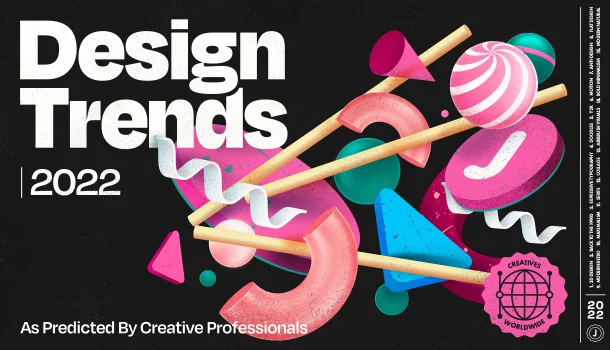
Typography is no longer just a supporting element in design, it has become a central force shaping how brands communicate and how users experience digital content. In recent years, designers have moved away from safe, neutral type choices and started experimenting with expressive, dynamic, and highly intentional typography. This shift reflects a broader change in design culture, where originality, emotion, and usability are equally important. From bold oversized font to handcrafted letterforms, typography trends today are redefining visual storytelling. This article explores the key typography trends designers are embracing this year and explains how these styles influence branding, user experience, and modern design systems.
The Shift Toward Expressive Typography
One of the most noticeable changes in recent design trends is the move toward expressive typography. Instead of acting as a neutral carrier of information, type is now used as a visual statement.
Designers are treating text as a core visual element rather than a secondary layer. This approach allows typography to carry emotion, tone, and personality within a design.
Large, bold letterforms are increasingly used to capture attention and create impact. This trend reflects a broader movement where typography becomes the focal point of a layout, not just a supporting detail.
Bold and Oversized Fonts Take the Lead
Bold typography continues to dominate modern design, but it has evolved beyond simply being loud. Designers are now using oversized fonts to communicate mood and identity.
These fonts often appear in hero sections, landing pages, and branding materials where immediate impact is essential. Their scale creates a strong visual hierarchy and guides user attention effectively.
What makes this trend powerful is its versatility. Bold type can feel playful, serious, futuristic, or artistic depending on how it is styled and combined with other elements.
The Rise of Experimental and Distorted Type
Traditional rules of typography are being challenged as designers experiment with distortion, stretching, and unconventional layouts. This trend embraces creativity and breaks away from rigid structures.
Letters are no longer confined to perfect alignment or symmetry. Instead, they are manipulated to create unique visual experiences that stand out in crowded digital spaces.
This experimental approach reflects a growing desire to move beyond predictable design patterns and create something distinctive.
Nostalgia Meets Modern Design
Typography is increasingly looking to the past for inspiration while adapting those styles for contemporary use. This blend of old and new creates a sense of familiarity with a modern twist.
Designers are revisiting classic serif styles and mid-century fonts, but reinterpreting them with updated proportions and digital precision.
This “retro revival” is not about copying the past, it is about transforming it into something relevant for today’s audience. The result is typography that feels both timeless and fresh.
Handcrafted and Human-Centered Fonts
As digital design becomes more automated, there is a growing demand for typography that feels human and authentic. Hand-drawn and imperfect fonts are gaining popularity for this reason.
These typefaces often feature subtle irregularities, organic shapes, and natural textures. They bring warmth and personality to designs, making them feel more relatable.
This trend highlights a shift toward emotional connection in design. Audiences respond to typography that feels personal rather than overly polished.
Kinetic Typography and Motion
Motion is becoming an essential part of typography, especially in digital environments. Kinetic typography adds movement to text, making it more engaging and interactive.
Instead of static words, designers are using animation to convey tone, rhythm, and emphasis. This approach enhances storytelling and keeps users engaged for longer periods.
Kinetic type is particularly effective in:
- Social media content
- Landing pages
- Video and motion graphics
It transforms typography into an experience rather than just a visual element.
Dynamic Proportions and Variable Fonts
Flexibility is a defining feature of modern typography. Designers are experimenting with stretched, condensed, and variable letterforms to create unique identities.
Wide fonts can feel bold and confident, while narrow fonts convey precision and intensity. This ability to adjust proportions allows typography to adapt to different contexts and messages.
Variable fonts take this concept further by enabling a single typeface to change weight, width, and style dynamically. This makes them ideal for responsive design systems.
The Return of Maximalism
Minimalism dominated design for years, but typography is now moving toward a more expressive and layered approach. Maximalist typography embraces complexity, color, and bold compositions.
Designers are combining different weights, sizes, and styles within the same layout to create visually rich experiences. This trend allows for greater creativity and storytelling.
Typography is no longer subtle, it is designed to stand out and make a statement.
Sustainable and Functional Typography
As awareness of sustainability grows, typography is also evolving to become more efficient. Designers are considering how fonts impact performance, energy usage, and readability.
Eco-friendly fonts are designed with simplicity and efficiency in mind. They use clean shapes and optimized spacing to reduce digital load and improve performance.
This trend reflects a broader shift toward responsible design, where aesthetics and functionality are balanced with environmental considerations.
Typography as a Branding Tool
Typography is playing an increasingly important role in branding. Many companies are moving toward custom typefaces to create unique and recognizable identities.
Instead of relying on widely used fonts, brands are investing in tailored typography that reflects their personality and values. This approach strengthens brand recognition and differentiation.
Custom typography allows brands to:
- Stand out in competitive markets
- Maintain consistency across platforms
- Communicate a distinct visual voice
Balancing Creativity with Readability
While experimentation is growing, readability remains a core priority. Designers must ensure that creative typography does not compromise usability.
Clear spacing, appropriate sizing, and balanced contrast are essential for maintaining readability across different devices and contexts.
This balance between creativity and function defines successful typography in modern design.
Practical Takeaways for Designers
To effectively use these trends, designers should focus on intentional application rather than blindly following styles.
A few key considerations include:
- Choose trends that align with the project’s purpose
- Prioritize readability over visual complexity
- Use expressive typography strategically, not excessively
- Test designs across different devices and screen sizes
Understanding when and how to apply trends is more important than simply adopting them.
Why Typography Trends Matter More Than Ever in Digital Design
Typography has become a defining factor in how users experience digital content, not just a decorative layer. As screens dominate communication, the way text looks and behaves directly affects readability, engagement, and trust. Modern users scan quickly, so typography must guide attention while remaining clear and accessible.
Design trends in typography also reflect broader cultural and technological shifts. When used thoughtfully, they help brands stay relevant and visually distinctive. Ignoring these trends can make a design feel outdated, while understanding them allows designers to create work that feels current without sacrificing usability.
How to Apply Typography Trends Without Losing Readability
Adopting typography trends requires balance. While bold and experimental styles can make a design stand out, they should never compromise clarity. The key is to use expressive typography selectively, keeping essential content easy to read.
Designers can maintain this balance by combining creative elements with functional ones. For example, a bold headline can be paired with a simple, highly readable body font. Proper spacing, contrast, and hierarchy ensure that even visually striking designs remain user-friendly.
Ultimately, successful typography is not about following trends blindly, it is about adapting them in a way that supports the message and enhances the overall user experience.
Conclusion
Typography trends this year reflect a shift toward expression, flexibility, and human connection. Designers are no longer limited by traditional rules, they are exploring new ways to use type as a powerful visual and emotional tool.
From bold oversized fonts to handcrafted styles and kinetic motion, typography is becoming more dynamic and impactful than ever before. At the same time, considerations like readability, accessibility, and sustainability remain essential.
The most successful designs are those that balance creativity with purpose. By understanding these trends and applying them thoughtfully, designers can create work that is not only visually striking but also meaningful and effective in today’s evolving design landscape.