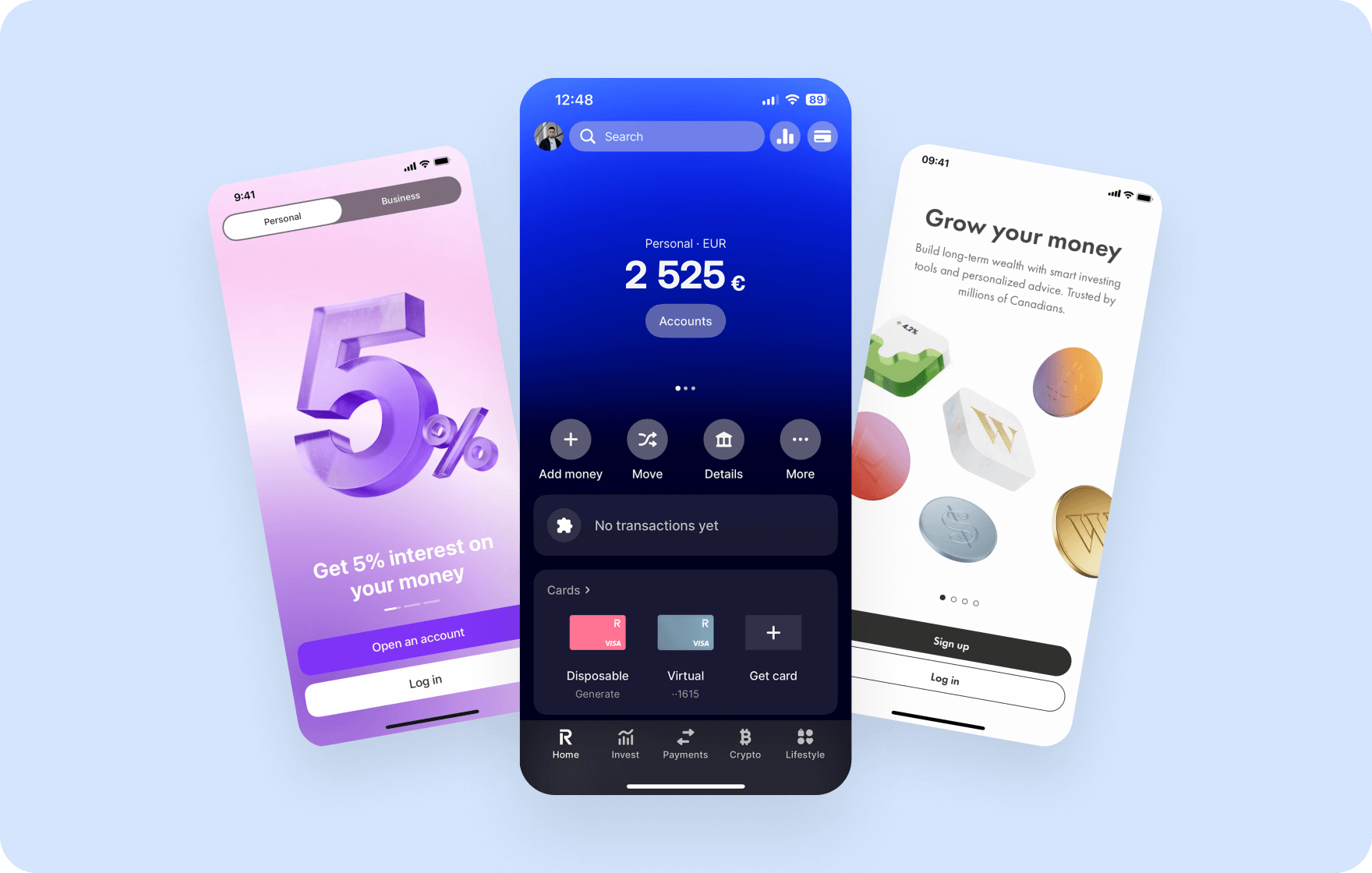
In today’s digital age, users expect banking to be fast, secure, and easy to use. Mobile and online banking have replaced many traditional in-person services, making user experience (UX) one of the most important factors in a customer’s relationship with a bank. This is where a UX agency comes in—transforming complex banking systems into clean, intuitive digital products that meet the needs of users across all age groups and tech skill levels.
UX design is not just about how an app looks; it’s about how it works. For banking apps, where trust, security, and clarity are essential, UX design directly impacts customer satisfaction, retention, and brand loyalty.
Why UX Design Is Crucial in Banking
Banking is a high-stakes industry. People trust financial institutions to protect their money and personal information. If a banking app is hard to use or confusing, that trust can quickly be lost.
Some key reasons why UX is essential for banking apps include:
- Security and Trust: A clear, user-friendly interface reassures users that their information is secure.
- Accessibility: Not everyone is tech-savvy. A good banking app should be easy to use for older adults, people with disabilities, and those unfamiliar with digital finance.
- Speed and Efficiency: Nobody wants to spend five minutes trying to transfer money. A streamlined experience saves time and prevents frustration.
- Retention: Users are more likely to stick with a banking app that works smoothly and makes financial tasks easier.
UX agencies help banks meet these expectations by researching user behavior, identifying pain points, and designing digital experiences that feel natural and safe.
What a UX Agency Does for Banking Apps
A UX agency specializes in improving the way users interact with digital products. For banking apps, this means more than just a sleek interface. It involves research, strategy, design, testing, and collaboration with development teams.
Here are the main services a UX agency provides:
- User Research
UX teams conduct interviews, surveys, and usability tests to understand how real users interact with the app. This helps identify issues and discover opportunities to improve. - Information Architecture
Organizing content and features in a logical way helps users find what they need quickly, whether it’s checking a balance or reporting a lost card. - Prototyping and Wireframes
UX designers build testable versions of app screens before full development. This saves time and money by spotting problems early. - Visual Design and Branding
Colors, fonts, and layouts are designed to reflect the bank’s brand and make users feel confident and secure. - User Testing
Before launching, agencies test the app with real users to gather feedback and make final improvements.
UX agencies bring the expertise and tools needed to design banking apps that are both functional and delightful to use.
Common UX Challenges in Banking Apps
Designing for the financial sector isn’t easy. ux for banking apps designers must solve problems that are unique to banking. Some of these challenges include:
- Balancing Simplicity and Security: Banking apps must be safe, but they also need to be simple. Too many security steps can frustrate users, but too few can create risk.
- Managing Complex Features: Many banking apps include savings tools, loan applications, investment options, and more. UX design must keep these features organized and easy to access.
- Dealing with Legacy Systems: Older banks may still use outdated back-end systems, making it harder to build modern, responsive apps.
- Maintaining Compliance: UX must work within legal and regulatory requirements related to user data, privacy, and accessibility.
Good UX design solves these issues by creating thoughtful flows, adding helpful guidance, and using visual cues to guide users through complex tasks.
Key UX Strategies That Work in Banking Apps
UX agencies apply tested strategies that lead to better banking experiences:
- Simple Onboarding: A smooth sign-up and login process builds user confidence from the first moment.
- Clear Navigation: Easy-to-find menus and logical layouts help users feel in control.
- Feedback and Confirmation: Users need to know when actions (like money transfers) are successful. Clear feedback prevents mistakes and builds trust.
- Visual Financial Data: Graphs and charts help users understand their spending, savings, and financial goals at a glance.
- Accessibility and Inclusivity: Good design considers color contrast, readable fonts, and compatibility with screen readers for people with disabilities.
- Consistent Design Patterns: Using familiar patterns (like tab navigation or swipe gestures) helps users navigate quickly without a learning curve.
Benefits of Great UX in Banking
Investing in UX delivers measurable benefits for banks and users alike:
- Higher Customer Satisfaction: Happy users are more likely to stay loyal and recommend the app.
- Lower Support Costs: If users can complete tasks on their own, they won’t need to call customer service.
- Increased Engagement: Features like financial planning tools, spending trackers, or reward programs can boost daily app usage.
- Competitive Advantage: In a crowded market, an easy-to-use app can set a bank apart from its rivals.
Final Thoughts
The future of banking is digital—and user experience is at the heart of it. With help from UX agencies, financial institutions can create apps that are more than just functional. They can be intuitive, trustworthy, and even enjoyable. Whether it’s simplifying payments, improving navigation, or adding helpful visuals, UX design can turn a basic banking tool into a powerful financial companion. As user expectations continue to rise, investing in professional UX design is no longer optional—it’s essential.