Imagine a scenario where someone collapses in front of you. Panic sets in, and you feel helpless. This is where life-saving knowledge can make a huge difference. Knowing what to do in emergencies can save lives and offer peace of mind.
From understanding basic first aid to performing CPR, these essential skills equip you to help yourself and others when it matters most. Let’s dive into some critical life-saving knowledge that everyone should have.
Understanding the Basics of First Aid
First aid is the immediate care given to someone who is injured or suddenly ill. It’s crucial because it can stabilize the person until professional help arrives. Here are some basic first aid skills everyone should know.
Before rushing to help, check if the area is safe for you and the victim. Know when and how to call emergency services. Use a clean cloth to apply pressure on a wound.
Run cool water over a burn for at least ten minutes. Look for symptoms like pale skin and rapid breathing. Having this life-saving knowledge can be the difference between life and death in certain situations.
The Importance of CPR
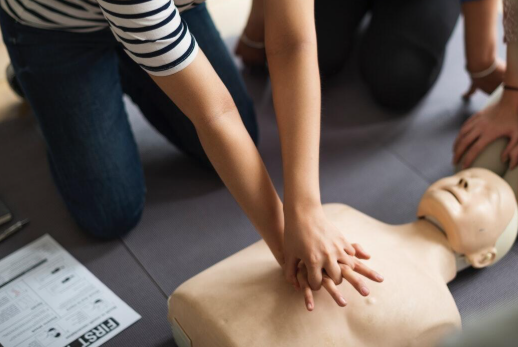
Cardiopulmonary resuscitation, or CPR, is a crucial skill that everyone should learn. It can double or triple a person’s chance of survival after a cardiac arrest. Here’s what you should know:
CPR involves chest compressions and rescue breaths to keep blood and oxygen flowing to vital organs until professional help arrives. The American Heart Association recommends the following steps for performing CPR:
- Check Responsiveness
- Start Chest Compressions
- Give Rescue Breaths
By mastering CPR, you gain a valuable skill that can enable you to save a life in an emergency.
Recognizing Medical Emergencies
Understanding when to intervene in medical emergencies is another important part of life-saving knowledge. Recognizing symptoms can lead to quicker treatment. Here are some critical signs to look for:
- Chest Pain
- Severe Headaches
- Difficulty Breathing
- Unconsciousness
When you see these signs, you want to act fast, as time is crucial in emergencies.
Prevention is Key
Being prepared and aware can often prevent emergencies from happening in the first place. Here are some tips to help keep yourself and others safe.
Make sure it’s stocked with essentials like bandages, antiseptic wipes, and gloves. Take courses on first aid and CPR. Many local organizations offer those, including Easy CPR/First Aid Certifications.
Have a fire escape plan and practice it regularly. Understanding how to protect yourself in unsafe situations can be a lifesaver. Being proactive can significantly reduce the risks you face every day.
Empower Yourself with Life-Saving Knowledge
Life-saving knowledge is not just for healthcare professionals; it’s something everyone can and should have. By learning first aid, CPR, and how to recognize emergency signs, you empower yourself and those around you.
These skills can provide peace of mind and potentially save lives. Don’t wait for an emergency to take action. Start learning today and transform from a bystander into a lifesaver. Whether it’s signing up for a class or simply refreshing your knowledge, your effort could make all the difference.
For more helpful tips, check out the rest of our site today.