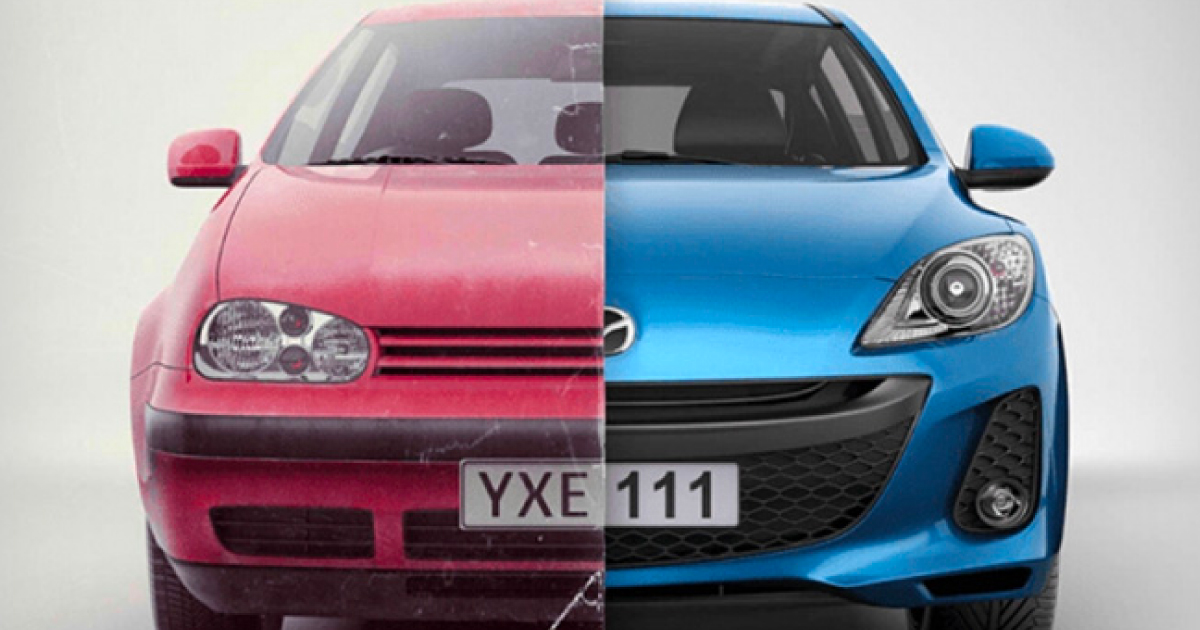
The moment you realize you need a car, a ton of questions start racing through your mind. What kind of car? How much can you afford? But before you even get to color, size, or brand, the first question you need to answer is simple: should you buy new or used? This single choice can make a huge difference in your finances, both right now and years down the road.
For some people, car buying is exciting. For others, it’s stressful, especially if money is already tight or if you’ve had financial struggles in the past. Some even turn to debt relief programs after getting in over their heads with auto loans they couldn’t really afford. That’s why taking a step back to really weigh your options is one of the smartest things you can do before signing anything.
The truth is, both new and used cars come with solid benefits. It’s not always as simple as one being better than the other. But depending on your situation, buying used can actually put you in a stronger financial position long term.
The Price Tag Hits Different
Let’s start with the obvious. Used cars almost always cost less than new ones. That lower price can mean a smaller loan, a smaller monthly payment, and less financial stress overall. Even better, you might be able to pay cash for a used car if you’ve saved up, avoiding a loan entirely. No loan means no interest, which is money staying in your pocket.
New cars lose value the second you drive them off the lot. It’s called depreciation. On average, a new car loses around 20 percent of its value in the first year alone. By buying used, you let someone else take that hit for you. You’re paying for the car’s actual value rather than its brand-new price tag, which can make a big difference if you’re watching your budget closely.
More Car for Your Money
Buying used can also give you access to better features than you might afford with a new car. Let’s say you want a model with leather seats, a sunroof, and an upgraded sound system. In a brand-new car, those extras can bump up the price quickly. But with a used car, you might find a fully loaded version for the same price as a stripped-down new model. In other words, used doesn’t always mean settling for less. Sometimes it means getting more.
Insurance and Registration Savings
Insurance companies factor in the value of your car when they set your premium. A newer, more expensive car usually costs more to insure. Used cars, being worth less, generally come with lower insurance premiums. That difference can save you hundreds each year. In some states, registration fees are also based on the car’s value or age, which means you’ll pay less to register a used car compared to a shiny new one.
Less Pressure, More Flexibility
Buying used often feels less intimidating. You don’t have a sales team trying to upsell you on extras you don’t really need. Plus, the market for used cars is huge, giving you plenty of options to find something that fits your exact needs. Private sales, certified pre-owned programs, and dealerships all offer different used car choices. This variety gives you flexibility and, often, bargaining power.
The Case for New: Warranty, Technology, and Peace of Mind
Of course, new cars have their own appeal. They come with full warranties, which means fewer repair worries for the first few years. You also get the latest technology, safety features, and fuel efficiency improvements that older models might not have. If you’re someone who values having the latest gadgets or driving something no one else has ever owned, new cars definitely deliver on that front.
There’s also the reliability factor. While modern used cars are usually very dependable, a new car comes with the confidence that you’re the first owner, and you know exactly how it’s been treated from day one.
Maintenance Costs: A Mixed Bag
One thing people often overlook is the cost of maintenance. Used cars may need repairs sooner than new ones, especially if you’re buying an older model with higher mileage. Things like brakes, tires, and timing belts eventually wear out. However, many modern cars are built to last well past 100,000 miles with proper care. If you do your homework and choose a well-maintained used car with a good track record, maintenance costs can still be quite reasonable.
Financing: Watch Your Interest Rates
When it comes to financing, new cars often come with better interest rates. Manufacturers offer low or even zero percent financing as a way to attract buyers. Used car loans typically have higher interest rates, especially if your credit score isn’t great. This is where it’s critical to run the numbers carefully. Sometimes a slightly higher interest rate on a much cheaper used car still results in a lower overall cost than a low-interest loan on a pricey new vehicle.
Choosing What Fits Your Life
At the end of the day, whether you go new or used depends on what fits your life best. If you crave the peace of mind that comes with a warranty and cutting-edge safety features, and you can afford it comfortably, a new car might be worth it. But if you’re focused on keeping your debt low, protecting your financial future, or simply getting the most car for your money, buying used can be the smarter move.
The key is not to let emotions or shiny features push you into a decision that could strain your finances later. Plenty of people end up regretting their car choices when the monthly payments start feeling too heavy. That’s when some start looking into debt relief programs to help them dig out. Avoiding that situation altogether starts with making a thoughtful choice upfront.
Buying a car is one of the biggest purchases most people make. Taking the time to weigh your options carefully can make all the difference in how that purchase affects your life over the next several years. Whether new or used, the best car for you is the one that keeps you moving forward comfortably, safely, and without unnecessary financial pressure.