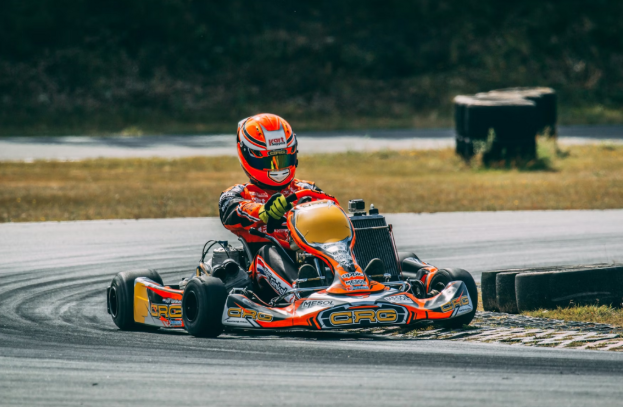
Miami’s racing scene pulses with the same intensity as the city itself—a blend of precision engineering, raw speed, and cultural passion that draws enthusiasts from across the globe. The city’s year-round sunshine and diverse terrain create ideal conditions for everything from professional motorsports to grassroots karting competitions. But beyond the roar of engines and the smell of burning rubber lies another dimension of this culture: the photographers who freeze these fleeting moments of velocity and skill into lasting images.
Through photography, the essence of racing becomes tangible. A well-timed shot can capture the concentration etched on a driver’s face, the blur of motion as vehicles navigate tight corners, or the spray of debris kicked up at 150 miles per hour. This exploration examines how Miami’s racing community and visual storytelling intersect, revealing what makes this city a unique hub for motorsports photography.
Miami’s Racing Heritage and Modern Scene
Miami’s relationship with motorsports stretches back decades, evolving from informal street races to world-class professional venues. The Homestead-Miami Speedway anchors this legacy, hosting NASCAR championships and other premier events that attract international competitors and tens of thousands of spectators annually.
Today’s racing landscape encompasses far more than oval tracks. The city supports a thriving ecosystem of karting facilities, autocross events, and track day programs that serve everyone from curious beginners to semi-professional drivers honing their craft. This accessibility has cultivated a diverse community where weekend warriors share paddock space with aspiring professionals, all united by the pursuit of speed and the technical mastery it demands.
The Appeal of Karting in South Florida
Karting represents the most accessible entry point into competitive motorsports, and Miami’s facilities have capitalized on this gateway status. Unlike full-scale racing, karting requires minimal investment to start while delivering genuine competitive thrills. The sport’s popularity has surged as both a recreational activity and a serious training ground for drivers who eventually transition to cars.
The benefits extend beyond the track:
- Technical Skill Development: Karting teaches fundamental racing concepts—racing lines, threshold braking, weight transfer—in an environment where mistakes carry lower consequences than in automobiles.
- Physical Conditioning: Competitive karting demands surprising strength and endurance. Drivers must maintain control through sustained G-forces while making split-second decisions at speeds exceeding 70 mph.
- Mental Discipline: The sport cultivates focus and strategic thinking, as drivers must constantly read competitors’ movements while managing their own performance.
- Community Building: Team events and league racing foster relationships across age groups and backgrounds, creating networks that often extend beyond the track.
Many current Formula 1 and IndyCar drivers credit karting as essential to their development, validating its role as more than recreational entertainment.
Equipping for Performance and Safety
Proper racing equipment serves dual purposes: enhancing performance while providing critical protection. Whether you’re photographing races or participating in them, understanding this gear adds context to the sport’s technical nature.
Essential equipment includes:
- Helmets: Modern racing helmets meet rigorous safety standards (Snell, FIA) and incorporate advanced materials that dissipate impact forces while remaining lightweight.
- Racing Suits: Fire-resistant materials protect against thermal hazards, while tailored fits allow unrestricted movement—critical for both comfort and control.
- Gloves and Footwear: Specialized designs maximize tactile feedback from steering wheels and pedals, allowing drivers to feel subtle changes in grip and traction.
- Maintenance Tools: Competitive karting requires constant adjustments to tire pressure, chassis alignment, and engine tuning—each variable affecting performance.
Selecting appropriate gear requires balancing safety certifications, comfort, and budget. For racers working through those tradeoffs, AutoCraze, Vivid Racing, and APR Motorsport are worth exploring as starting points — each carrying inventory across the certification tiers and use cases covered above.
Photographing Racing: Technical Considerations
Capturing compelling racing images demands more than pointing a camera at fast-moving subjects. The technical challenges—extreme speed, variable lighting, unpredictable action—require specific approaches that differ significantly from general sports photography.
Key techniques include:
- Shutter Speed Selection: Freezing motion typically requires speeds of 1/1000th second or faster, though creative blur effects can convey speed at slower settings around 1/250th.
- Panning Technique: Tracking subjects horizontally while shooting creates sharp subjects against motion-blurred backgrounds, emphasizing velocity and direction.
- Aperture Management: Wider apertures (f/2.8 to f/4) isolate subjects from busy backgrounds while allowing faster shutter speeds in variable light conditions.
- Lens Choice: Telephoto zooms (70-200mm or 100-400mm) provide flexibility to frame distant action, while wider lenses (24-70mm) capture environmental context and pit activity.
- Positioning Strategy: Understanding racing lines and track layout allows photographers to anticipate action, positioning themselves where dramatic moments naturally occur—corner apexes, braking zones, overtaking points.
- Continuous Autofocus: Modern camera tracking systems can follow subjects across the frame, maintaining focus as vehicles approach and recede at varying speeds.
Professional motorsports photographers often shoot thousands of frames during a single event, knowing that perfect moments—a wheel lifting under braking, two karts side-by-side through a corner—occur in fractions of seconds.
The Value of Specialized Retail Experience
While online shopping offers convenience, visiting dedicated racing retailers provides advantages that digital catalogs cannot replicate. Physical stores allow customers to assess fit and quality firsthand—critical factors when safety equipment must perform under extreme conditions.
Beyond product selection, knowledgeable staff offer insights drawn from personal racing experience. They can explain why certain helmet designs suit specific disciplines, how suit materials perform in different temperature ranges, or which maintenance tools prove most reliable under competitive use. Many stores also serve as community hubs, posting event schedules, facilitating team connections, and hosting technical workshops.
For photographers documenting the racing scene, these retail environments offer additional value. Staff can provide access to events, introduce you to drivers and teams, and offer perspective on the culture that informs more authentic visual storytelling.
Engaging with Miami’s Racing Community
Miami’s racing culture thrives on participation and shared passion. Whether you’re drawn to the sport as a competitor, photographer, or enthusiast, numerous entry points exist for deeper engagement.
Local karting facilities regularly host arrive-and-drive events requiring no equipment beyond closed-toe shoes. Track day organizations welcome photographers credentialed through media passes or team affiliations. Racing clubs organize social events, technical seminars, and volunteer opportunities that build connections across the community.
For photographers specifically, building relationships with teams and drivers creates access to unique perspectives—pit lane during races, pre-event preparation, post-race celebrations. These relationships transform casual documentation into storytelling that captures the human elements behind the competition.
The intersection of racing and photography in Miami represents more than documenting fast vehicles. It’s about preserving the dedication, skill, and passion that define this community—qualities that transcend any single race result and connect participants across generations and backgrounds. By engaging authentically with this culture, whether through a viewfinder or behind a steering wheel, you become part of a tradition that celebrates human achievement at the edge of control.