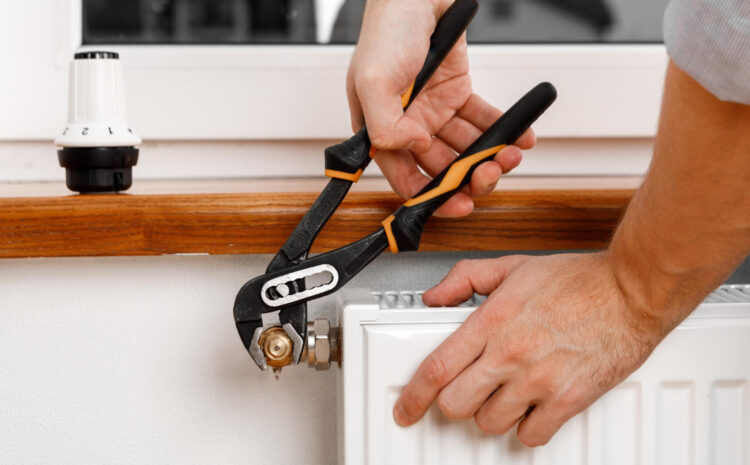
When the temperature drops, nobody wants to find out their heating is dusty, noisy, or not up to the job.
A bit of winter heating equipment preparation now saves hassle later, without spending much, and it is usually cheaper than fixing a breakdown in winter.
Start with a simple winter checklist for heating systems
Think of this as your yearly reset.
Check your main heating system first
If you use central heating, run it for 10 to 15 minutes before you really need it. Listen for rattles, gurgling, or uneven warmth. Bleed radiators if they have cold spots, and make sure the thermostat responds properly. If anything feels off, book a service early. This is one of the most useful heating maintenance tips because engineers get busy once winter hits.
Replace or clean filters where relevant
If your system has filters, sort them now. A clogged filter makes the system work harder and can reduce comfort. Clean airflow is a quiet form of heater performance optimization.
Build a realistic heater maintenance routine
Winter heating preparation is not one big job. It is a few small checks that add up.
Walk around the house and spot heat leaks
Drafts around doors and windows waste heat fast. Add draft excluders, seal obvious gaps, and close curtains at night. This supports your winter home heating setup and makes any heater feel stronger.
Test safety basics
Check carbon monoxide alarms and smoke alarms. If you have gas appliances, do not treat this as optional. Seasonal heating care includes keeping your home safe, not just warm.
Space heater winter prep for back up warmth
Even if you rely on central heating, a portable heater can be a lifesaver for one cold room.
Preparing portable heaters for cold weather
Give the unit a once over. Check the plug, cable, and casing for damage. Vacuum dust from grills and vents so it does not smell when it heats up. UK based Heater Supply Store noted that you should make sure it has tip over cut off and overheat protection. Then do a short test run, especially if it has been stored for months.
Set sensible rules for use
Keep heaters away from curtains, bedding, and drying clothes. Use a wall socket, not a daisy chain of extension leads. If you are wondering how to get heaters ready for winter, safe placement is half the answer.
UK heating preparation tips for the first cold week
Do a practice run. Pick an evening, turn the system on, and see how your home warms up. If one room stays cold, try simple fixes first, like moving furniture away from radiators or adding a door draft strip. If your heating is slow, check that vents and radiators are not blocked.
Related story: Over 5 Million Brits Could Skip Crucial Winter Boiler Maintenance
Go.Compare recently commissioned a study revealing that over 5 million homes in the UK are at risk of running into boiler problems this winter… just because they don’t have their heating systems serviced regularly. The poll, which questioned 2,002 adults across the UK, found that:
Only 52 % had their boiler serviced in the past year, which is how frequently most experts recommend.
Approximately 21 % of boiler owners hadn’t had the system serviced in 1–2 years, and nearly failed to have it serviced in over three years.
Perhaps most alarmingly of all, 6 % admitted that they’ve never had their boiler serviced. If you’re part of this group, chances are good that you’ve never even tested your heating system to see if it still works properly. This means your central heating could run into severe issues — often right when you need it.
You should take that warning seriously. According to Go.Compare, failing to regularly service your boiler will make your system more likely to break down. What’s worse, it could even void your home insurance policy or boiler cover. Considering this survey’s findings, it’s clear why this article’s winter preparation tips are so important. Checking your boiler and starting your heating system ahead of schedule can help ensure your family stays cozy — AND avoid any hassle when the temperatures finally drop.
Full story (Go.Compare) – More than 5 million Brits risk being left in the cold as households skip boiler services:
https://press.gocompare.com/news/more-than-5-million-brits-risk-being-left-in-the-cold-as-households-skip-boiler-services-warns-go-compare
Heat Tech FAQs: Winter Heating Preparation Tips (+Case Study)
Why should I get my heating ready before it turns cold?
Performing winter prep when temperatures are still mild can avoid many problems down the line — it’s cheaper and more comfortable that way! Nipping small issues in the bud — be they minor thermostat faults or air bubbles in a radiator — means you won’t be left freezing while an engineer comes out when they’re busiest.
How long before winter should I get heating ready?
Start preparing for the heating season as soon as it starts to cool down and you begin using heat regularly again — around late summer/early autumn is good. That way you’ve got plenty of time to assess faults, book maintenance, and fix draughts before energy demand surges.
What should I do first to prep my central heating system?
Turn it on briefly and see how it performs. Allow your system to heat for about 10–15 minutes before checking that you can’t hear any strange noises. If you feel your radiators warming evenly from top to bottom then you’re good to go! If not, you may want to bleed your radiators or schedule professional servicing.
Do filters impact heating performance?
They sure can. Some heating systems — particularly boilers and HVAC units — have filters which are often used and forgotten. When dusty or clogged up with debris, filters decrease airflow and reduce efficiency. Taking a few minutes to wipe down or replace filters can help your system perform better.
Will draughts really make a difference to heating performance?
Yes, they will. It might not seem like it but draughts around windows and doors make your heating less effective by allowing warm air out and cold air to sneak in. Things like draft excluders, stripping seals, and heavy curtains can go a long way towards feeling warmer without wasting energy.
Should I check smoke alarms / carbon monoxide detectors too?
Absolutely. Now is a great time to test your smoke alarms and carbon monoxide detectors if you haven’t already done so. If needed, replace batteries to keep them in good working order — especially CO detectors if you have gas appliances. This isn’t about comfort, it’s about keeping your home and family safe.
What about portable heaters?
Yes, give them a once over as well! Give portable heaters a clean if they’ve been sitting in storage for a while; the same vents that catch dust while idle will decrease your heater’s efficiency and may cause smells when you first turn them back on.
Brush off vent grids with a dryer-safe cloth or vacuum with the vacuum’s brush attachment on a low setting. Check that power cables haven’t become damaged while in storage, and test your heater’s overheating cut‑off function and tip‑over safety feature.
Can I use any extension cord with a space heater?
No, it’s best to avoid using extension leads altogether with heaters or kettles. If you must use an extension lead for a high‑power appliance, get one that’s heavy duty and fully uncoiled rather than daisy‑chained from another lead. Always plug heaters straight into a wall outlet if possible.
It heats everywhere in my home except one bedroom — why?
There are quick things you can try first:
- Pull furniture away from radiators (if applicable) to prevent heat from getting trapped
- Place draft excluders on bedroom doors
- Hang thicker curtains to prevent losing heat overnight
If these tips don’t work then you may want to consider balancing your radiators or consulting a heating engineer for more in depth advice on airflow or home insulation.
Should I do a trial heating session before winter arrives?
Yes, this is one of the most helpful things you can do. Running your heating briefly when it isn’t urgently needed will reveal quirks in your thermostat, show radiator problems like trapped air, and allow you to spot if certain rooms heat unevenly.
What’s the best way to remember my winter heating checklist?
Write it down! Keep a list of what you prepare so that you know exactly what you need to do next year. Not only will it help ensure you don’t miss important steps, you’ll thank yourself when next autumn rolls around and you have a reminder handy.
Final check before winter properly starts
Write down what you tested and what needs attention. This tiny habit makes next year easier and keeps your winter heating equipment preparation consistent.