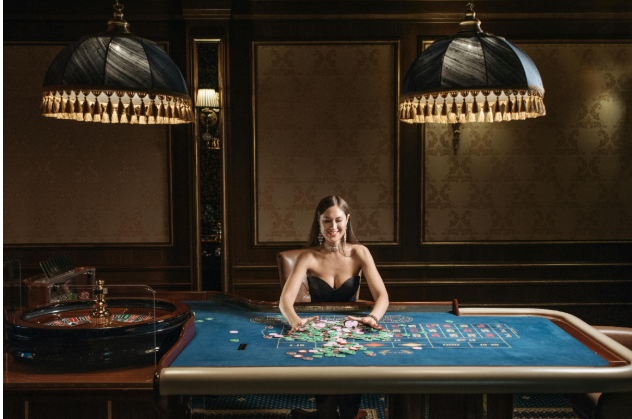
A user lands on a casino website and forms an opinion before reading a single line of copy. That reaction happens fast, and it shapes what comes next. The platform either feels credible and easy to trust, or it feels generic and forgettable. In that first moment, photography begins doing commercial work. It frames quality, signals intent, and directs attention toward the actions the business wants users to take.
Experienced operators already understand that conversion rarely depends on one big element. It comes from a chain of small decisions that reduce friction and reinforce confidence. Photography plays a quiet but important role in that chain. It helps users interpret the product, understand the atmosphere, and move through the platform with less hesitation. On casino websites, that influence becomes even more important because users are responding to visual cues long before they evaluate features in detail.
Why High-Quality Platforms Need High-Quality Visual Logic
The strongest casino platforms treat design as part of the product itself. That includes payment flow, navigation structure, bonus presentation, and the visual system supporting all of it. Photography belongs inside that system. It should never feel decorative or disconnected from the conversion goal. It should help communicate reliability, polish, and relevance at every key stage of the user journey.
That is one reason established online casinos tend to pay close attention to visual consistency. A platform can offer a strong game library and a smooth registration path, but weak photography can still dilute the overall impression. Poorly cropped images, stock visuals with no context, or low-quality lifestyle shots create distance between the brand and the user. Better visual choices close that distance. They make the site feel maintained, deliberate, and ready for use.
This matters because users interpret image quality as a proxy for operational quality. They may never say it that way, but behavior often reveals it. If the photography feels careless, the platform feels less dependable. If the visuals feel precise and well placed, the whole experience gains authority.
Photography Shapes Behavior Before Copy Has Time to Work
Photography affects attention in a direct way. It sets emotional tone, controls scanning patterns, and helps users decide what deserves focus. On a casino platform, that could mean drawing attention toward a registration module, a featured game category, or a landing page built around a campaign. The image itself does not close the conversion, but it can prepare the user for it by making the next step feel natural.
This is where many websites lose value. They treat photography as mood-setting content rather than directional content. Strong conversion-focused photography does more than create atmosphere. It supports hierarchy. It creates visual momentum. It gives the page a sense of purpose.
Consider a homepage hero image. If it is too abstract, it adds little. If it feels too sales-driven, it can reduce trust. The best version is usually in the middle. It reflects the brand world clearly, supports the headline, and leaves room for the call to action to stand out. That balance matters because users are making split-second judgments about relevance and ease.
The Best Casino Images Reduce Friction Through Familiarity
Photography can also make a platform easier to process. Familiar visual patterns help users understand where they are and what kind of experience they are entering. This becomes especially useful in highly competitive spaces where many sites offer similar products and comparable page structures. Distinct photography gives shape to the brand, while familiar visual signals make the journey feel intuitive.
For example, images that reflect real interface moments, realistic player settings, or polished venue-inspired environments can help reinforce expectations without overwhelming the page. They anchor the experience in something recognizable. That sense of familiarity lowers resistance. It helps the platform feel accessible from the first click.
The opposite is also true. Overproduced visuals can create tension when they oversell the experience. Generic stock photography can make the brand feel replaceable. In both cases, the page becomes harder to trust. Users may continue browsing, but the path toward sign-up becomes weaker because the site feels less coherent.
Good Photography Supports the Same Goal as Good Website Architecture
A well-built casino website should operate like a conversion tool from top to bottom, especially in a market that is getting more competitive by the minute. That means every element needs a job. Photography is no exception. It should support flow, reinforce brand credibility, and improve the clarity of decision points. In that sense, photography works much like navigation or page structure. It guides movement.
This is why strong operators often align photographers, designers, and conversion teams more closely than weaker brands do. They understand that visual assets influence bounce rate, dwell time, and sign-up intent in subtle ways. A strong image can slow a premature exit. It can keep a user engaged long enough to notice a value proposition. It can make a page feel smoother even when the underlying offer stays the same.
That is the real commercial value of casino photography. It influences action without demanding attention. It works in the background, but its impact shows up in how users move, pause, and commit.
Silent Sales Power Comes From Precision
Casino photography boosts conversion when it stops behaving like filler and starts behaving like structure. The most effective platforms understand this well. They use imagery with discipline. They choose visuals that support trust, reflect the product honestly, and help users move through the site with confidence.
For experienced teams, that creates a useful standard: every image should answer a practical question. Does it strengthen credibility? Does it improve focus? Does it support the action the page is designed to generate? When the answer is yes, photography becomes part of the conversion engine. It works quietly, but it works with purpose.