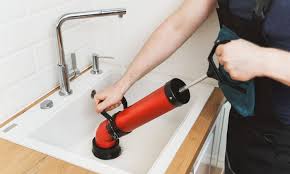
A clogged drain takes longer to drain water, which causes water to stand and form pools, providing grounds for bacteria and mold to thrive, warns MHN Property Management company. Such blockages may lead to water damage to floors, walls, and ceilings. This can also sometimes lead to a sewage backup, which is dangerous to the occupants’ health and expensive to deal with. Here are the common causes of clogged drains and how plumbers will get rid of them:
Grease and Fats
Grease and fat are commonly found in cooking oils and food particles. These include vegetable oil used in cooking, bacon grease, butter, and lard used in preparing meals. Other dietary culprits include fats found in animal products such as beef and poultry.
Milk, cream, and cheese are typical dairy products that cause fatty deposits in the pipes. These substances find their way into the drain through the kitchen sink when individuals are washing dishes or disposing of leftover food. Bathroom sinks and showers are prone to fatty substances due to lotions, conditioners, and body oils. These fats crystallize and deposit on the pipe walls over time, reducing the pipe diameter and flow rate of water. To remove grease and fat blockages in sinks or toilets, plumbers use a plunger to generate pressure and suction.
Food Particles
Slow drain-causing food particles are usually from kitchen sinks and garbage disposal units. Some of the usual offenders are rice, pasta, and beans that swell when wet and stick together. Coffee grounds and eggshells could also pile up and prove difficult to clear. Peels, especially those of starchy foods like potatoes, have a tendency to stick on the walls of the pipes. Small bones and fruit pits do not dissolve in disposals and contribute to blockage. Food waste particles can accumulate over time, especially if the pipe is already damaged or the water flow is slow. Plumbers may use a drain snake or an auger to unclog or physically clear the blockage.
Mineral Buildup
Limescale is a cause of mineral buildup in drains, and it is made up of calcium and magnesium. These minerals come from hard water, which is a common household issue. Iron deposits can also build up when the water supply contains significant amounts of iron.
Another type of buildup is silica deposits, which are formed from dissolved quartz in water sources such as groundwater. Copper and zinc can infiltrate a home’s water if the home has metal pipes. These mineral deposits slowly begin to build up on the walls of the pipe, decreasing water flow and causing blockages. An experienced plumber may use a camera to inspect the pipes before determining if they need to be cleaned or replaced.
Small Objects
Rings and earrings in the bathroom easily fall into sinks when washing hands or taking a shower. Cotton tips, dental floss, and miniature toys will fall into toilets or bathtubs. In kitchens, bottle caps, hair ties, and food labels might drop into sinks without being noticed. Coins, buttons, and other small personal effects can easily fall from the pockets when washing clothes. Plumbers will advise on simple maintenance practices to avoid future blockages.
Tree Roots
Growing roots look for water, and they may penetrate tiny crevices in pipes or joints. These roots eventually grow further, stretching the gaps to accommodate even more roots. This intrusion may partially block the flow of water, slowing down drains in the process. Roots also trap debris, worsening the situation. In extreme cases, they may even clog the pipe, causing backups or burst pipes. The consequences of root intrusion can be severe, and your plumber may need to replace or reline the pipes.
Broken or Misaligned Pipes
Problems like poor installation, corrosion, movement, and shifts in the layout can cause pipes to become damaged or misaligned. Temperature fluctuations can also have an adverse effect on pipes since pipes expand and contract when subjected to extreme temperatures. Other external factors that may lead to pipe failures include using poorly-made products. Plumbers will fix or remove the broken pipes before replacing them with more durable ones.
While some minor clogs might be tackled with DIY methods, persistent or severe blockages, especially those caused by complex issues like tree roots or damaged pipes, invariably require professional attention. Attempting to fix these without the right tools or expertise can often worsen the problem, leading to more extensive and costly repairs. When faced with stubborn drain issues, it’s crucial to seek out qualified professionals who can accurately diagnose the problem and provide effective, long-lasting solutions. For reliable assistance, finding a reputable drain cleaning service near me ensures that experienced technicians are readily available to restore your plumbing system’s optimal function.
Seek the Services of Reputable Plumbers
Experts in the plumbing industry have the knowledge to assess and diagnose the causes of your clogged drains. They have tools for the efficient and safe removal of clogs, including those that are difficult to clear. Besides solving current problems, plumbers offer advice on how to maintain the systems to avoid future problems. Contact a plumber in your area to get started.