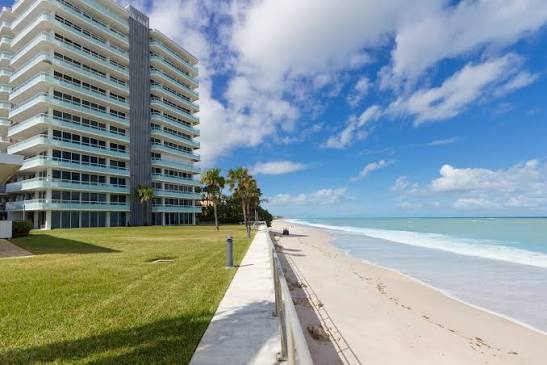
The acquisition of a condo at the beach includes both the advantages of personal pleasure and the certainty of having rental income. It is necessary to emphasize that the financial and physical aspects of coastal property are different from those that relate to inland property. The high level of saltiness of the air, changes in local laws, and the structure of HOA influence your finances.
When making a choice about the offer, it is crucial to take into account the following factors: financial metrics, state of the building, and local regulations. Investors who study the market trends and inventory of specialized platforms like Marco Island real estate are prepared to create wealth through owning the top coastal property.
1. Analyze Rental Policies and Local Zoning
Policies will determine your ability to generate income. The condo board establishes very strict regulations regarding the timing and length of the rental period.
- Minimum Length of Stay: Some condos have a 30-day minimum; others permit day-to-day rentals.
- Renting Limitation: Each building will have its own limitation on how many units can be rented simultaneously.
- Local Permitting: The city will generally mandate short-term rental permits.
2. Evaluate HOA Dues, Reserve Funds, and Special Assessments
Homeowners association (HOA) dues are charged for the use and maintenance of the community spaces, buildings, and other shared facilities.
Expensive fees are common for the waterfront properties, while low fees may signal poor management. Lack of adequate reserves is usually reflected by unusually low fees. Evaluate recent reserve studies and make sure the board of HOA has accumulated enough capital to deal with the replacement of roofs, repairs of seawalls, and elevator upgrades.
3. Take Coastal Insurance and Structures’ Resilience into Account
Waterfront insurance involves several layers in one policy. Your individual policy will be superimposed on the master insurance of the community.
Key components of an insurance policy:
- Master policy: Check which aspects are covered by the master insurance and which should be covered by your individual policy.
- Wind and flood policies: Specific zones require separate insurance policies for windstorms and floods.
- Loss assessment coverage: You should be protected from special fees that can be charged by the board to compensate for the damages that are not covered by the master policy.
4. Analyze Total Cost of Ownership and Expected Yield
A high occupancy rate does not always result in profitability. Determine your bottom line after deducting all the recurring expenses from the total income from your rentals.
Long-term performance of any property can be analyzed using the example of coastal niche properties such as Marco Island real estate to learn about rental yield and carrying costs. Maintain low carrying costs with the knowledge of seasonal utility changes and property management fees.
| Cost Category | Average Monthly Range | Covers |
| HOA Fees | $500 – $1,500+ | Building maintenance, amenities, master policy |
| Insurance | $300 – $800+ | Internal unit, loss assessment, flood endorsements |
| Property Management | 15% – 25% of gross | Guest management, cleaning, marketing |
5. Evaluate Building Amenities and Property Management
High-end amenities will attract high nightly rates and ensure consistent occupancy. Such amenities include a heated swimming pool, beach access, a gym, and covered parking, which keeps guests coming throughout the year.
On-site professional property management ensures fast response in case of maintenance issues and guests’ requests.
6. Evaluate Saltwater Corrosion and Maintenance Issues
Saltwater air increases corrosion in exterior and mechanical systems.
- HVAC Systems: Coastal air conditioners will need replacing every 5 to 7 years.
- Balconies and Windows: Check the condition of balcony railings, concrete balconies, and impact windows.
- Structure: Ensure that the building is up-to-date on mandatory structural inspections.
7. Review Stability of Location and Beach Access
Not all beachfront locations are created equal. Locations that have a broad beachfront and are participating in current renourishment efforts will retain more value over time. Deeded beach access will secure your property from future access issues or changes in other parcels.
Conclusion
A beachfront condominium is an exciting choice but must be chosen carefully. With careful examination of rental policy, structural reports, and overall costs, you can make your beachfront purchase one that pays off over the years.