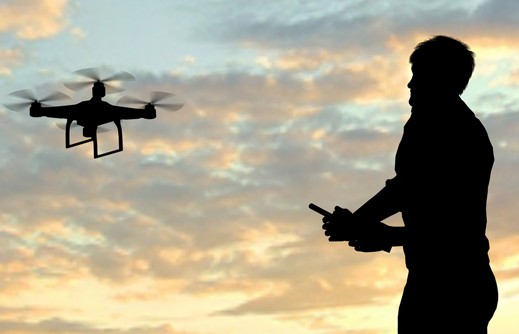
An ideal picture captured through an aerial view is never just a matter of taking off in the air and hitting the button on your drone. The person operating the machine needs knowledge of motion, timing, composition, and the environment surrounding the drone. Once you’ve learned all that, drone photography becomes quite easy.
Build Confidence with Basic Flying Skills
Before attempting to take impressive shots with the drone, the pilot needs to get used to the controls of the aircraft. Hovering, moving back and forth, adjusting altitude, and turning must be mastered in order for the pilot to know how responsive the aircraft is to each of these actions.
Proper handling of the aircraft is especially critical when framing the object. Any abrupt movements may interfere with the positioning of the building or landscape.
Plan the Shot Before Taking Off
A little bit of planning can make a great difference in the final outcome of your image. You need to consider what you would like to see in your images, where you should position your drone, and what the lighting will do to your image.
In addition, you need to consider the time of day. Soft lighting in the morning or late afternoon can help create more dimensions in your landscape photography, while good lighting can create patterns and details in roads and other elements. Planning your drone photography tips can also save you from unnecessary flying.
Develop Better Aerial Composition
-
Experiment With Height and Angles
A change in height will transform how a subject appears entirely. The higher view will show you the patterns within the landscape, whereas a lower point of view will emphasise depth and make the building more pronounced.
Think about going around your subject in many directions instead of just settling for one composition when you find the first composition suitable.
-
Look for Lines, shapes, and Patterns
Aerial photographs will have natural visual elements that may add to the attractiveness of your photos. Roads, rivers, paths, fields, rooftops and shorelines can give leading lines or create geometric designs.
The effect of symmetry is also very effective when taken from an aerial perspective. It will be important for you to spend time looking for these elements in order to avoid shooting just for the aerial perspective.
Understand Wind and Weather Conditions
The weather will directly affect the safety of flights and quality of images. Wind will make it harder to control the drone and will even increase the consumption of the battery. Changes in the weather may also affect the visibility of the landscape.
It is necessary to make sure that weather conditions will be appropriate for the operation of your craft before take-off. It is one of the key aspects of drone photography technique development for both beginners and experts.
Give Your Images a Final Polish
Photography does not end by just taking a photograph. The basic level of editing could help you correct problems like exposure, contrast, color, and distracting elements in the shot.
Another step is cropping that could solve any small problem related to the framing of your shot. Programs like Photoshop can be helpful in mastering such techniques, along with video editing software that can be helpful if the flight involves aerial videos. Aerial photography skills therefore require practice in both flying and editing.
Conclusion
Creating great aerial photographs is something that comes through gradual development, where pilots need to have good control over their craft and think creatively. Through consistent training, pilots will gain the confidence they need to manage their aircraft effectively and make wise decisions regarding timing.
Ready to develop your flying skills? Contact Dolphin Media now!
FAQs
Is drone photography for beginners?
Yes. A beginner may start off by learning how to control the drone’s movements and then introduce photography as time goes on and their confidence increases.
What do I need to practice before shooting photos?
Skills such as hovering, turning, moving forward, altitude changes, and stopping smoothly can help in practising before focusing entirely on composition.
Is flying higher up always going to lead to good photographs?
Not necessarily. Heights give different perspectives. Flying low can be beneficial for giving depth, while high altitudes can be good for patterns and relationships between the objects.
How does editing affect aerial photography?
Editing can make a lot of difference in some cases; however, it has to complement the image rather than alter it entirely. Simple cropping, adjusting the exposure, contrast, and colours should suffice in most cases.
Can aerial photography become my profession?
Yes. A professional photographer will definitely require flying confidently, good compositional skills, safety awareness, knowledge of photography, and the ability to edit, etc.