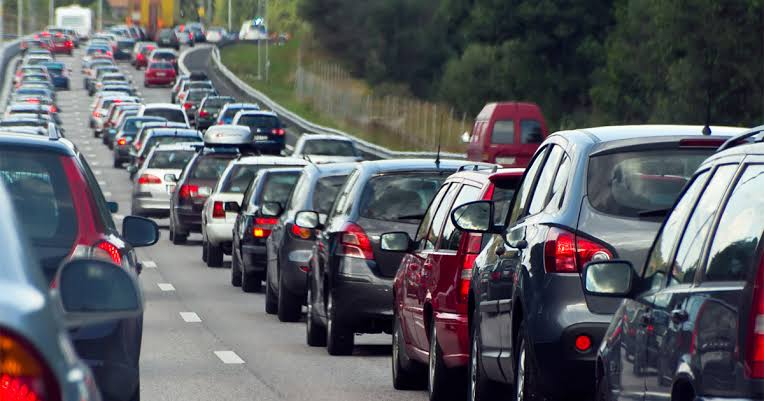
A growing body of transportation research challenges the long‑held belief that slower driving is always safer. According to a comprehensive analysis by H&P Law, unusually slow driving—especially in the left lane—can trigger dangerous chain reactions on high‑speed roadways. The firm’s review of federal crash data, roadway studies, and state enforcement trends shows that speed variance, not just speeding, plays a critical role in highway safety.
Why Speed Variance Matters
Transportation engineers have warned for decades that the difference between a vehicle’s speed and the surrounding traffic flow can be more dangerous than raw speed alone. H&P Law’s review highlights that the Federal Highway Administration has identified speed variation as a major contributor to traffic conflicts. On interstates, where drivers make rapid decisions based on predictable movement, a single slow vehicle can disrupt the rhythm of traffic almost instantly.
Key Points
- Drivers expect surrounding vehicles to move at a consistent pace.
- A slow vehicle in the passing lane forces abrupt braking and lane changes.
- These disruptions can escalate into rolling bottlenecks.
The Passing Lane Problem
Highways rely on predictability, and the left lane is designed for passing—not cruising. When a driver lingers there at a significantly slower speed than the flow of traffic, congestion forms quickly. H&P Law’s analysis shows that cars begin stacking behind the slow driver, prompting risky maneuvers from frustrated motorists.
Common Reactions to Slow Left‑Lane Driving
- Hard braking
- Tailgating
- Abrupt lane changes
- Weaving between lanes
- Passing on the right
These behaviors are repeatedly linked to serious crashes in federal data.
Interstate High Speeds Amplify the Risk
States with higher posted speed limits—such as Nevada, Wyoming, South Dakota, Montana, and Texas—face greater challenges. With traffic often moving above 75 mph, a slow-moving vehicle can create unsafe following distances in seconds.
Fatalities Involving Drivers Below Minimum Speed
H&P Law’s review of federal crash data found:
| Roadway Type | Fatalities (2020–2024) |
|---|---|
| Interstates | 99 |
| Freeways/Expressways | 26 |
| Principal Arterials | 24 |
| Total | 180 |
These numbers underscore how slow driving can become a catalyst for dangerous reactions on high‑speed roads.
Misunderstanding of Left‑Lane Laws
Many drivers remain unaware that slow left‑lane driving is illegal in numerous states. Every state allows passing in the left lane, but many require slower traffic to move right if it impedes flow—even if the driver is traveling at the speed limit.
Examples of States with “Keep Right” Enforcement
- Nevada
- Colorado
- Georgia
- Florida
- Louisiana
- Connecticut
AAA polling in Virginia found that only 26% of drivers knew such a law existed, despite widespread frustration with left‑lane blockers.
Enforcement Is Increasing
States are responding to the safety risks by tightening enforcement:
- Colorado issued more than 2,500 traffic stops in 2025 for left‑lane blocking.
- Connecticut’s new enforcement measures take effect in 2026.
- Georgia penalties can reach $1,000 plus license points.
- Texas also fines drivers who block passing lanes.
Transportation agencies increasingly view lane discipline as essential to preventing aggressive driving and crash escalation.
Dangerous Chain Reactions
H&P Law’s analysis shows that slow drivers often trigger unsafe behaviors from others, even if they are not directly involved in the crash.
Unsafe Passing and Weaving
Between 2020 and 2024:
- 297 fatalities involved improper or unsafe passing across 40 states.
- 127 fatalities involved wrong‑side driving or following‑related offenses.
- 2,920 fatalities involved improper or erratic lane changes.
Arizona recorded the highest fatality rate tied to erratic lane changes.
Tailgating and Rear‑End Crashes
Rear‑end collisions are a major consequence of sudden slowdowns:
- 385 deaths occurred in 35 states due to following too closely.
- New York reports that 4 in 10 crashes are rear‑end collisions.
Road Rage and Aggressive Driving
Slow left‑lane driving is a documented trigger for road rage. H&P Law’s review highlights:
- New Mexico: 0.38 incidents per 100,000 residents (highest in 2024)
- Tennessee: 0.32
- Delaware: 0.29
- Nevada: 0.24
AAA research shows that 96% of drivers admit to aggressive behavior at least once a year.
States With the Highest Slow‑Driving Fatality Rates
Between 2020 and 2024, 2,087 interstate fatalities involved drivers traveling 50 mph or less.
| State | Fatality Rate per 100k Residents |
|---|---|
| Wyoming | 0.58 |
| South Carolina | 0.47 |
| Alabama | 0.35 |
Nevada recorded a rate of 0.18, with 29 fatalities tied to slow interstate driving.
Impaired Drivers Aren’t Always Speeding
H&P Law’s review notes that impairment—particularly marijuana use—can cause drivers to travel unusually slowly, creating the same hazards associated with left‑lane slowdowns.
Studies show impaired drivers may struggle with:
- Maintaining speed
- Staying in lanes
- Reacting quickly
- Concentration and judgment
The Larger Takeaway: Predictability Saves Lives
Traffic systems function best when vehicles move in expected ways. Sudden braking, erratic lane changes, and major speed differences reduce reaction time and increase crash risk. While slowing down is appropriate in poor weather or construction zones, on open interstates, consistency with surrounding traffic is essential.