America’s relationship with alcohol and marijuana is shifting, and the change is beginning to show up on the nation’s roads. A new analysis from Bader Law highlights a steep decline in drinking, a rapid rise in cannabis use, and a measurable drop in impaired‑driving fatalities, a combination that raises new questions about how Americans define impairment and safety behind the wheel.
Alcohol Use Falls to Historic Lows
Gallup’s 2025 polling shows U.S. drinking levels at 54%, the lowest point in nearly 90 years. The decline has been sharp and consistent across multiple demographics.
Key data points include:
- Alcohol consumption fell from 62% in 2023 to 54% in 2025
- Women reported an 11‑point decline in drinking since 2023
- Republicans saw the steepest drop, down 19 points to 46%
- Average weekly drinks fell to 2.8, the lowest since 1996
Americans are also drinking less frequently. Only 24% of drinkers reported consuming alcohol in the previous 24 hours, a record low, while 40% said it had been more than a week since their last drink.
Marijuana Use Rises as Alcohol Interest Declines
The study notes that as alcohol consumption falls, marijuana use is accelerating. In 2022, 62 million Americans reported using cannabis, and cultural attitudes continue to shift in its favor.
Survey findings show:
- 61% of adults say they’ve lost interest in alcohol
- 63% of Gen Z reports declining enthusiasm for drinking
- 48% of Americans believe THC products should be as normalized as alcohol
- 34% identify as “California sober,” avoiding alcohol but using cannabis
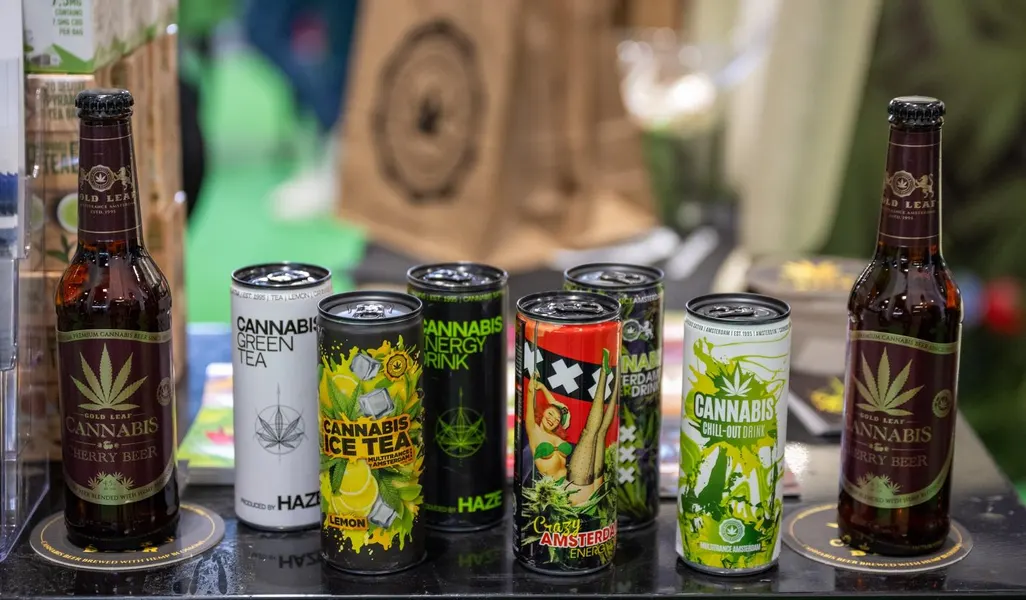
Cannabis beverages are gaining traction, with 33% of respondents preferring THC drinks over smoking.
Impaired‑Driving Fatalities Decline
One of the most significant findings in the Bader Law study is the drop in impaired‑driving deaths. According to NHTSA data, fatalities involving an impaired driver, whether due to alcohol or drugs, fell from 1,366 in 2022 to 1,113 in 2023.
Additional roadway trends include:
- 33 states saw declines in impaired‑driving deaths
- Early 2024 projections show 39,345 fatal crashes, down nearly 4% from 2023
- Vehicle miles traveled increased 1%, yet fatality rates fell to 1.2 per 100 million miles
These improvements coincide with the national decline in alcohol use, though researchers caution that cannabis impairment remains a growing concern.
Cannabis Tourism and Legalization Expand
The cannabis tourism market reached $10.23 billion in 2023 and is projected to more than double by 2030. As of early 2026, 25 states and Washington, D.C. allow recreational cannabis use.
Tourism data shows:
- Market expected to hit $23.73 billion by 2030
- Ages 25–44 make up 44% of cannabis tourists
Drivers Struggle to Judge Cannabis Impairment
The study highlights widespread confusion about cannabis impairment and driving safety. NHTSA data shows 12.6% of weekend nighttime drivers test positive for marijuana.
Surveyed drivers in legal states reported:
- 51% base driving decisions on “how they feel” after using cannabis
- 47% say they feel impaired after using
- Only 35% know their state’s cannabis‑and‑driving laws
- 41% of ticketed drivers admitted they were high at the time
Self‑reported driving difficulties after cannabis use included:
- Slowed reaction time (20%)
- Difficulty concentrating (13%)
- Trouble maintaining speed (11%)
- Lane‑keeping issues (8%)
A Changing Landscape of Impairment
The Bader Law study underscores a pivotal moment in American driving behavior. Alcohol use is falling, marijuana use is rising, and impaired‑driving fatalities are declining, but the shift introduces new risks. Cannabis impairment remains difficult for drivers to self‑assess and for law enforcement to detect, and recommended wait times before driving vary widely across states.
As legalization expands and consumption patterns evolve, the study suggests that clearer national guidelines and more comprehensive research, especially on female drivers, will be essential to understanding the full impact of cannabis on road safety.