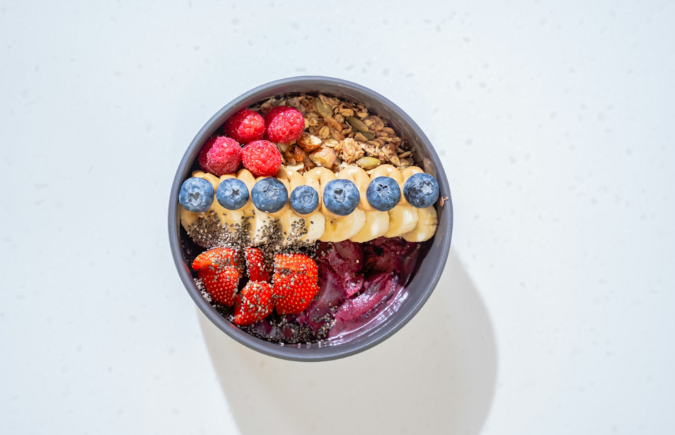
The coconut acai bowl has evolved from a niche health food into a mainstream phenomenon. What began as a simple blend of frozen acai pulp and tropical fruit has become a canvas for culinary innovation, driven by advances in food processing, ingredient sourcing, and consumer demand for both nutrition and visual appeal.
At the heart of this evolution is the coconut acai base—a creamy, nutrient-dense foundation that combines the medium-chain triglycerides of coconut with the polyphenol-rich acai berry. As processing technology improves and supply chains become more sophisticated, this once-exotic combination is now accessible in cafes, juice bars, and home kitchens across the country. This article examines the nutritional science behind the coconut acai base, its cultural origins, and the technological shifts reshaping how it’s produced and consumed.
The Nutritional Case for Coconut as a Base
Coconut brings more than texture to an acai bowl. Its nutritional profile offers several functional benefits that complement the antioxidant properties of acai:
- Micronutrient Density: Coconut provides iron, magnesium, and zinc—minerals that support immune function and metabolic health.
- Medium-Chain Triglycerides (MCTs): These fats are metabolized differently than long-chain fatty acids, offering a quick energy source that may support weight management and cognitive function.
- Antioxidant Activity: Coconut contains phenolic compounds that help neutralize oxidative stress in the body.
- Digestive Support: The fiber content aids gut motility and supports a healthy microbiome.
Research published in the Journal of the Academy of Nutrition and Dietetics has explored the metabolic effects of coconut-derived fats, noting their potential role in satiety and energy regulation. While coconut is calorie-dense, its unique fatty acid composition makes it a functional ingredient rather than an empty indulgence.
The Cultural Journey of the Acai Bowl
The acai bowl’s origins trace back to the Amazon basin, where indigenous communities harvested acai berries for their energy-sustaining properties. The berries were traditionally mashed into a thick pulp and consumed with cassava flour—a simple, functional meal for laborers and fishermen.
By the 1980s, the acai bowl had migrated to the beaches of Rio de Janeiro, where surfers adopted it as a post-session recovery food. Its combination of carbohydrates, healthy fats, and antioxidants made it ideal for athletes. From Brazil, the trend spread to Southern California in the early 2000s, where it found a receptive audience in health-conscious communities. Today, the acai bowl is a global staple, with regional variations reflecting local tastes and ingredient availability.
The dish’s evolution from indigenous staple to Instagram-ready superfood reflects broader shifts in how Western consumers approach nutrition—prioritizing both function and aesthetics.
Building a Coconut-Based Acai Bowl
Creating a coconut acai base requires balancing texture, flavor, and nutritional density. The process is straightforward but benefits from precision:
- Select Your Liquid: Full-fat coconut milk provides richness, while coconut water offers a lighter alternative. For a thicker base, use coconut cream.
- Blend the Foundation: Combine one cup of coconut milk with one packet (100g) of frozen acai pulp, a ripe banana for natural sweetness, and a tablespoon of honey or maple syrup. Blend until the mixture reaches a soft-serve consistency.
- Adjust Viscosity: If the base is too thick to blend smoothly, add coconut milk in small increments. If it’s too thin, incorporate ice cubes or additional frozen fruit.
- Finish and Garnish: Pour into a bowl and top with fresh berries, sliced banana, granola, chia seeds, and unsweetened coconut flakes. The toppings should add textural contrast and additional micronutrients.
Creative Applications Beyond the Standard Bowl
The coconut acai base is versatile enough to support a range of flavor profiles and presentations. Here are several approaches that move beyond the standard recipe:
- Tropical Fusion: Layer the coconut base with mango, pineapple, and passion fruit for a bright, acidic contrast to the creamy coconut.
- Spiced Variations: Add ground cinnamon, cardamom, or fresh ginger to the base for warmth and complexity.
- Nutty Textures: Top with crushed almonds, walnuts, or cacao nibs for added crunch and healthy fats.
- Layered Presentation: Alternate spoonfuls of coconut base and acai puree to create visual striations, then garnish with colorful fruit and edible flowers.
- Superfood Enhancements: Stir in chia seeds, hemp hearts, or matcha powder to boost protein, omega-3s, or antioxidants.
These variations demonstrate how the coconut acai base can serve as a platform for experimentation, accommodating dietary preferences and seasonal ingredient availability.
How Technology Is Changing Production and Presentation
Advances in food technology have made coconut acai bowls more consistent, accessible, and visually appealing. Several innovations stand out:
- High-Performance Blending: Commercial-grade blenders with variable speed controls and tamper tools allow for precise texture manipulation, ensuring a smooth, creamy base without ice crystals or chunks.
- Flash-Freezing Techniques: Modern freezing methods preserve the nutritional integrity of acai and coconut, locking in antioxidants and preventing oxidation during storage.
- Smart Kitchen Appliances: Blenders with pre-programmed settings for smoothie bowls eliminate guesswork, delivering consistent results with minimal user input.
- Supply Chain Optimization: Blockchain-enabled traceability and cold-chain logistics ensure that acai and coconut products reach consumers at peak freshness, reducing spoilage and improving quality.
- AI-Driven Recipe Platforms: Apps that analyze dietary preferences and nutritional goals can generate personalized coconut acai bowl recipes, adjusting ingredient ratios for specific health outcomes.
These technological shifts have democratized access to high-quality coconut acai bowls, making it easier for home cooks and small cafes to compete with established juice bars. The result is a more diverse market with greater innovation in flavor and presentation.
Why the Coconut Acai Base Deserves Attention
The coconut acai base represents more than a passing trend. It’s a convergence of nutritional science, cultural tradition, and technological progress. The health benefits of coconut—its MCTs, micronutrients, and digestive support—complement the antioxidant power of acai, creating a functional food that delivers both immediate satisfaction and long-term wellness benefits.
For those interested in exploring this category further, pre-blended coconut acai bases offer a convenient entry point, eliminating the need for sourcing and measuring individual ingredients. A few brands worth exploring include Sambazon, Açaí Roots, and AcaiExotic — each offering ready-to-use bases suited to different blend preferences and dietary needs.
As technology continues to refine production methods and expand ingredient availability, the coconut acai base will likely evolve further—incorporating new superfoods, adapting to regional tastes, and responding to emerging nutritional research. For now, it stands as a testament to how traditional ingredients can be reimagined through modern innovation.