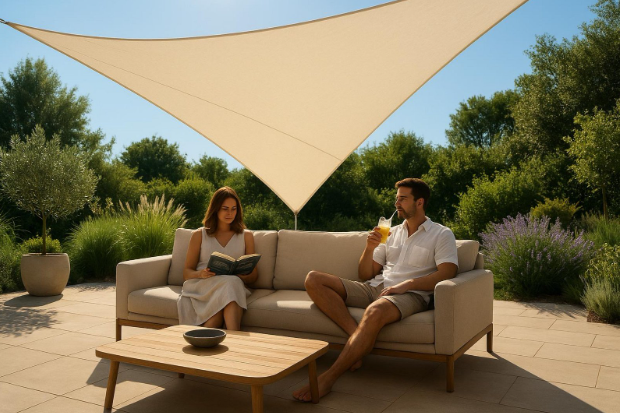
Is your garden roasting in the sun with nowhere cool to sit? If you spend summer days squinting and searching for a shady spot that doesn’t exist, you’re not alone. Many new or city gardens don’t have big trees or built structures that give natural shade.
The answer isn’t hiding indoors all summer, though. A smart, attractive solution is the elegant shade sail from Shade4You. These fabric canopies offer a stylish and practical way to turn a hot, exposed garden into a cool and welcoming place to relax.
Shade sails are far more than simple covers; they are modern design features that combine good looks with usefulness. They protect you from strong sun, lower temperatures, and block harmful UV rays, while adding a clean, contemporary touch to your outdoor area.
Whether you want a quiet reading spot, a pleasant place to eat outside, or a safe corner for children to play, the right shade sail can change an unusable area into your favorite part of the garden.
Why Lack of Natural Shade Is a Problem in Modern Gardens
A garden without shade causes many problems for both people and plants. Today’s garden designs often focus on open lawns and simple shapes, which can mean fewer big trees or pergolas. These spaces may look neat and tidy but can be too hot to use during the middle of the day.
Newly built homes usually start with small plants and saplings that take many years to grow large enough to cast shade. During that time, homeowners are left exposed to full sun, which makes it harder to enjoy sitting outside or keeping plants healthy in hot weather.
Sun Exposure Risks for Outdoor Living Spaces
Spending a long time in a strong sun is more than just uncomfortable; it can be risky for health and damaging for your things. Too much UV radiation can cause sunburn and long-term skin problems. Children and pets are especially at risk, so cool, shaded areas are important for their comfort and safety.
Constant sun is also hard on outdoor furniture and surfaces. Fabrics fade, plastic becomes brittle, and wood can crack or twist. Even outdoor electronics and equipment can overheat. Without shade, these items wear out much faster, leading to more repairs, replacements, and costs for you.
Impact on Garden Enjoyment and Plant Comfort
A garden with no shade is simply less enjoyable. Hosting a barbecue or relaxing with a book is difficult if you’re sitting under a blazing sun. Many people end up going back indoors, which defeats the purpose of having an outdoor living area. Strong sunlight and high temperatures can make decks, patios, and lawns almost unusable for much of the summer.
Plants suffer as well. Constant, direct sun can cause delicate flowers to wilt and leaves to scorch. Even plants that usually like the sun may become stressed without a break from it. Shaded spots help protect sensitive plants, slow down water loss from soil, and support a healthier, lusher garden that you can enjoy comfortably.
How Shade Sails Provide a Stylish Shade Solution
Shade sails are now one of the most popular ways to create shade in gardens, combining practicality with a modern look. Unlike heavy gazebos or bulky umbrellas, shade sails give a clean, light appearance that fits well into many garden styles. They give you flexible control over sun exposure, making them useful for different layouts and purposes.
People like shade sails because they give very good shade without making the area feel closed in. The tensioned fabric creates clear lines and a sleek shape that can turn an ordinary garden into a smart outdoor living space. Whether you prefer simple neutrals or bold colors, you can choose sails to match the look you want.
Key Benefits of Shade Sails for Gardens
Adding shade sails to your garden brings many clear benefits:
- They offer strong relief from hot sun, so you can use your outdoor space even in the middle of the day.
- They make it more pleasant to eat, relax, or entertain guests outside.
- They protect your skin and your outdoor furniture from UV damage.
Shade sails are also very flexible in how you use them. You can install them over small patios, large decks, pools, sandpits, or play areas. Their design can be adjusted to different shapes and sizes of garden. They usually cost less than building a permanent roofed structure, so you get an attractive solution without major building work or a large budget.
Comparing Shade Sails to Traditional Shade Structures
Compared with pergolas, awnings, or big umbrellas, shade sails often suit modern gardens better. Pergolas look lovely but normally give broken, patchy shade unless you add extra covering, and they need serious construction.
Awnings do a good job but are usually fixed to the house, which limits where you can place them and can look less light and modern. Umbrellas are movable but often cover a small area and can tip over in strong wind.
Shade sails are lighter in appearance than most solid structures, so the space feels open and airy. They can block UV rays while still allowing air to flow through, especially if you use mesh fabric. This helps keep the area underneath cooler than under a solid roof that traps hot air.
You can also combine several sails at different angles and heights for more design freedom and better coverage than many traditional options.
Aesthetic Advantages: Modern Design and Color Options
One big plus of shade sails is how good they look. Their geometric shapes and stretched fabric give a modern, sculptural effect that instantly upgrades a simple outdoor area. You can choose from many colors, from soft, natural tones that blend into the garden to bright shades that stand out and add energy.
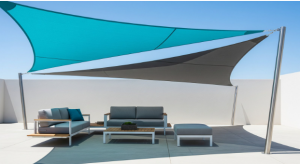
You can also mix colors or layer two sails for more coverage and a designer-style finish. For example, blue and grey sails give a cool, modern feel, while red or yellow adds warmth and liveliness. The floating appearance and sharp lines of shade sails help create a stylish, welcoming outdoor room instead of just a basic yard.
UV Protection and Temperature Reduction
Shade sails are very effective at blocking UV rays and lowering heat. Good-quality sails can block up to about 95% of harmful UV radiation, creating a safer space for your family and pets — especially when you choose professionally manufactured solutions, such as those offered at https://shade4you.eu/. This reduces the risk of sun-related health issues and protects your furniture and flooring from fading.
Many shade sails, especially mesh ones, are breathable. This allows hot air to rise and escape instead of getting trapped. By stopping the sun from heating up surfaces directly and by letting air move, the temperature under a shade sail can be up to about 15°F lower than in direct sun. This makes them a key feature for any garden that gets a lot of sun.
What Types of Shade Sails Suit Different Garden Spaces?
There are many types of shade sails to choose from, with different shapes, ways of installing them, and fabric options. Knowing the main choices helps you pick a sail that gives good cover and fits your garden style.
You can pick simple triangle sails, neat rectangles, or more complex custom shapes. There are fixed sails that stay in place and retractable ones that you can pull in and out. Fabric choice also matters, affecting UV protection, airflow, water resistance, and how long the sail will last.
Triangular, Rectangular, and Custom Shapes Explained
Common shade sail shapes include:
- Triangle sails – Great for small patios or corners. If you mount two corners high and one lower, rain can run off easily.
- Square and rectangular sails – Good for bigger areas, such as family dining spaces, play zones, or large decks. They give wide, even shade.
- Custom polygon sails – Useful if you have an odd-shaped space. Five- or six-sided sails can wrap around corners, trees, or posts for a neat fit.
A popular design trick is the “hypar” shape (a twisted surface). You create this by fixing opposite corners at different heights. This gives a wave-like form that looks dramatic, sheds water better, and can cope with wind more effectively.
Fixed, Retractable, and Layered Sail Options
There are three main ways to set up shade sails:
| Type | How it works | Best for |
| Fixed | Tensioned and left in place most of the time | Permanent shade over patios, decks, play areas |
| Retractable | Can be opened and closed as needed | Spaces where you want sun in cooler times and shade in hot periods |
| Layered | Several sails at different heights or overlapping | Gardens where you want design impact and varied shade |
Fixed sails are tightened between strong anchors and often stay up all season or all year (except in extreme weather). Retractable sails give you more control: you can extend them in hot afternoons and pull them back in the evening or in winter.
Layering two or more sails at different angles adds depth and interest. For example, you can overlap two rectangular sails for a bold shape and extra cover. Leaving small gaps between them lets soft light through, so the space stays bright but not too hot.
Choosing Materials: Breathable Mesh vs Waterproof Fabrics
Shade sail fabric makes a big difference to comfort and performance. The two main types are:
- Breathable mesh
Lets air pass through, cuts glare, and keeps the area cooler. It’s ideal for patios, garden seating, play areas, and busy spaces where airflow matters. It blocks UV rays but doesn’t trap heat. - Waterproof fabric
Keeps both sun and rain off, so it’s useful above outdoor dining tables or lounge sets. It needs to be installed with enough slope so rain runs off and doesn’t pool in the middle.
By a pool, you might choose waterproof fabric to reduce splashing and drizzle or mesh to keep the space breezy. The better choice depends on whether rain protection or airflow is more important to you.
How to Plan and Install Shade Sails in Your Garden
Putting up shade sails takes some thought and careful work. Good planning gives you enough shade in the right areas and helps the sails stand up to wind and weather. Poor planning can lead to sagging fabric, weak anchors, or damaged sails.
You need to watch how the sun moves, choose strong anchor points, and think about height and angle. Simple setups can be a DIY job, while larger or more complex projects are often best handled by professionals who can check loads and structure strength.
Checking Sun Patterns and Best Coverage
Before you buy or hang a sail, watch how the sun moves over your garden during the day. Note:
- Which spots you use most (dining table, seating area, children’s play space)
- What time of day you are outside (morning coffee, lunch, evening meals)
- Where the strongest, most uncomfortable sun hits
Remember that the sun’s position changes with the seasons. If you want year-round shade, you may choose a slightly larger sail or adjust its angle to help cover low morning and evening sun. Simple sun path diagrams or a few days of observing your garden can help you find the best sail size and location.
Selecting Secure Anchor Points and Structural Aspects
Strong anchor points are key for safety and long life. Shade sails are under constant tension and must cope with wind forces. Good anchors include:
- Solid walls or beams
- Galvanized steel or treated timber posts set in concrete
- Sturdy, mature trees (only if they are healthy and strong)
If there are no suitable existing points, you’ll need to install posts at the right height and angle, secured deeply in the ground. On raised decks, you may need special brackets or extended posts, as the sail might sit higher than the deck railing. Always think about how much pull the sail will put on the anchors and choose hardware that can handle it.
Installation Steps for DIY and Professional Setups
For simple one- or two-sail projects, many homeowners can do the work themselves. Basic steps are:
- Measure the area you want to shade.
- Mark anchor positions on walls, posts, or trees.
- Install hardware such as eye bolts, turnbuckles, and shackles.
- Attach the sail and tighten it until the fabric is firm and smooth.
Allow extra distance (around 60-90 cm / 2-3 feet) beyond the sail’s edge at each corner for fittings and to create the correct angle and tension.
For larger spans, several overlapping sails, or custom designs, a professional installer is usually the better option. They can:
- Measure accurately to avoid poor fit or sagging
- Design suitable posts and footings
- Calculate loads and correct pre-tensioning
- Complete the work quickly and safely
Drainage, Wind Resistance, and Safety Tips
Good installation must deal with both water and wind. For waterproof sails, always mount them with a clear slope so water drains away instead of pooling. Even mesh sails work better with a slight angle to help rain and debris slide off.
For wind, sails should be tight, not loose. A flapping sail wears out much faster. In areas that often get strong winds or storms, plan to take sails down during bad weather. Quick-release fittings make this easy. Also:
- Keep sail edges away from sharp corners or rough surfaces.
- Make sure they don’t rub against branches or gutters.
- Check all fixing points from time to time for signs of wear or looseness.
Creative Shade Sail Ideas to Improve Your Garden
Shade sails do more than provide shade; they can change the whole mood and style of your garden. With a bit of imagination, you can go beyond a simple single sail and create a unique outdoor space that reflects your personality.
You can use sails to shape different zones, frame views, and add color and form above your head. This helps your outdoor area feel like a proper “room” where you want to spend time.
Layered and Overlapping Sails for Dramatic Effects
Layering and overlapping several sails is a simple way to create a striking look. By hanging them at various heights and angles, you add depth and interesting shadow patterns. For example:
- Use two or three bright sails for a fun, lively terrace.
- Combine light sails above and darker tones below for a sense of richness and contrast.
Overlapping sails also improve shade coverage, as different angles catch the sun at different times of day. A group of small triangles, arranged like a café canopy, can throw playful shapes of light and shadow, giving your patio or balcony real character.
Color Blocking and Artistic Patterns
Color is a powerful tool outdoors. With shade sails available in many shades, you can use color to organize your garden visually. Ideas include:
- Bright sails above a dining area, softer tones over a relaxation zone.
- Cool blues and greys for a calm, modern feel.
- Warm reds and yellows to make the space feel cheerful and sociable.
You can also get creative with patterns. Adding printed or appliqué leaf and flower motifs to sails can create a “leafy roof” effect. Some people cut small, planned openings in sails to let light reach particular plants or to create artistic shapes. These touches give your garden a more personal, custom-made look.
Privacy Screens and Side Panels
Shade sails can also be used vertically to give privacy and block wind. Hanging sails along the side of a deck or patio can shield you from neighbors’ windows and create a cozy nook while still feeling open to the sky.
Side sails are also useful for blocking low sun in the morning or evening that overhead sails don’t catch. By mixing horizontal and vertical sails, you add both comfort and a sense of privacy without building solid walls or fences.
Poolside, Dining, and Pathway Applications
You can use shade sails in many parts of the garden, such as:
- Pool or hot tub – A sail above water cools the area and protects swimmers from strong sun.
- Dining area – Overlapping rectangular sails create a comfortable, shaded eating space for family meals or parties.
- Paths and borders – Long, narrow sails over walkways look striking and keep you cooler while you move around or work in the garden.
- Relaxation spots – Small sails above hammocks, loungers, or swings make perfect quiet corners for napping or reading.
Care and Maintenance for Long-Lasting Shade Sails
With regular care, your shade sails can keep looking good and working well for many years. They are built to face sun and weather, but a little maintenance can greatly extend their life and keep them attractive.
Simple routines like gentle cleaning, correct storage, and checking fittings help to protect your investment and avoid bigger problems later on.
Routine Cleaning and Seasonal Storage
Cleaning your sails regularly stops dirt, bird droppings, and mildew from building up. Basic cleaning steps:
- Use mild soap and lukewarm water.
- Clean with a soft brush or sponge.
- Rinse well with a garden hose.
Avoid strong chemicals or hard scrubbing pads, as they can damage the fabric or its UV protection. For stubborn marks, use a cleaner made for outdoor fabrics.
In areas with cold winters or severe storms, many people take their sails down for the season. Before storing, clean them and let them dry fully. Then fold or roll them loosely and store in a dry place, away from direct sunlight, damp, and pests. With this care, good sails can last 8-15 years.
UV Degradation and Weatherproofing Practices
Even though shade sails are built to handle sun, constant UV exposure will slowly wear them down. Most quality sails are made from UV-resistant materials, but over many years some fading and weakening can occur. Some brands offer extra UV-protective sprays or coatings that you can apply from time to time to keep fabrics in better condition.
Weatherproofing also includes good installation habits. As already mentioned, waterproof sails need a clear slope for water run-off. All sails benefit from checked tension and strong, rust-resistant fittings. In windy regions, quick-release devices allow you to take the sails down quickly during storms. Using marine-grade rope and stainless steel hardware helps prevent rust and keeps the system strong.
Repairing Tears and Checking Tension
Small rips or holes can appear, especially after storms or contact with sharp edges. Deal with them quickly:
- Use repair kits offered by some manufacturers for small tears.
- For bigger damage, have the sail repaired by a professional.
Leaving small tears untreated can cause them to grow, which may mean replacing the whole sail sooner than needed.
Tension also needs regular checking. Over time, fabric can stretch and hardware can loosen. A well-tensioned sail:
- Looks smooth and neat
- Performs better at blocking sun and shed water
- Is less likely to flap and tear in wind
If you see sagging, tighten the sail using the turnbuckles or other adjusters. Aim for a slope of around 10-15 degrees from one corner to another so that rain can run off. After a new installation, check all fixing points after 24-48 hours, as the fabric will settle slightly.
Common Questions About Shade Sails for Shade-Less Gardens
Choosing shade sails for your garden often brings up practical questions. Below are clear answers to some of the questions people ask most often.
Can I Install a Shade Sail on My Own?
Yes. If you’re planning a simple layout with one or two triangle or rectangle sails and you already have good anchor points, you can usually install them yourself. You’ll need basic tools, solid fixings, and some time. Many kits come with instructions, and there are plenty of step-by-step guides available.
If your project includes several sails, custom shapes, large spans, or new posts, hiring a professional is usually the safer option. Complex setups can lead to wrong tension, sagging, or even damage to buildings or posts if loads are misjudged. A professional will measure properly, select the right hardware, and mount everything securely.
How Durable Are Shade Sails Over Time?
The lifespan of a shade sail depends mainly on:
- The quality of the fabric and stitching
- The strength and type of fixing hardware
- How well it is tensioned and installed
- How much sun, wind, and rain it faces
- How well it is cleaned and stored
Good-quality, UV-stable sails that are properly tensioned and cared for often last between 8 and 15 years. Regularly cleaning them, checking fittings, and taking them down during severe storms will help them last longer and stay attractive.
Do Shade Sails Protect Against Rain and Wind?
Shade sails are mainly made for sun protection, but they can offer some rain and wind benefits too:
- Rain: Mesh sails let rain pass through, so they cool but don’t keep you dry. Waterproof sails will shed rain if they are installed with enough slope, usually at least 15-20% drop from one side to another.
- Wind: Properly tensioned sails can handle normal breezes and moderate winds, but they are not the same as solid windbreaks. In very strong winds or storms, they should be taken down to avoid tearing or bending the anchors.
Using strong hardware and quick-release fasteners helps you remove the sails quickly before bad weather hits.
Is Mixing Different Sail Shapes Effective?
Yes, mixing shapes works very well both for design and shade coverage. Combining triangles, rectangles, and custom forms lets you:
- Fill awkward corners and irregular spaces
- Create layers and visual interest
- Cover different “zones” such as dining, play, and lounging areas
For example, you might place one large rectangular sail over your main dining table and add smaller triangle sails around it at different heights to shade nearby seating. This approach gives you better shade where you need it and a garden that feels unique and carefully planned.