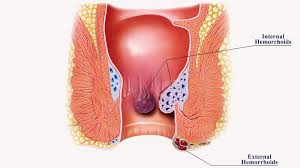
Hemorrhoids, commonly known as piles, are swollen veins in the rectal area that can lead to discomfort, itching, and even pain. While hemorrhoids are a common condition, the itching associated with them can often feel unbearable and disrupt daily life. Fortunately, several options are available to address this issue, from simple at-home remedies to advanced medical procedures.
Understanding these nine treatment options can help individuals find relief and improve their quality of life. For those seeking a practical treatment for hemorrhoid itching, it’s essential to know the variety of methods available and how each can effectively address the symptoms.
-
Creams, Ointments, Supplements and Home Remedies
Mild cases of hemorrhoids can often be managed at home using simple remedies. Over-the-counter creams and ointments are a popular choice for reducing itching and discomfort. These products are typically applied directly to the affected area and can provide immediate relief.
Taking fiber supplements or using stool softeners can help prevent constipation, which is a leading cause of hemorrhoids. By making bowel movements easier, these options reduce strain during defecation and allow hemorrhoids to heal more effectively. Ice packs can also be an effective solution for managing swelling and itching. Applying a cold compress to the affected area helps reduce inflammation and provides a soothing sensation.
-
Sitz Baths for Soothing Relief
Taking sitz baths, a process where the lower body is soaked in warm water for 10 to 15 minutes, can calm the irritated area. Sitz baths not only help relieve itching but also maintain hygiene around the anus, which is crucial for reducing further irritation and promoting healing. These at-home treatments are simple and effective for many individuals. However, it may be time to explore medical interventions if symptoms persist or worsen.
-
Hemorrhoid Artery Embolization (HAE)
Several non-surgical medical options are available for those experiencing persistent hemorrhoid itching and discomfort. One such method is hemorrhoid artery embolization (HAE). This procedure involves blocking the blood supply to hemorrhoids, and shrinking them. HAE is minimally invasive and leaves the hemorrhoid tissue intact, making it a preferred option for many. It is not painful and typically requires a quick recovery, allowing individuals to return to their regular routines swiftly.
-
Rubber Band Ligation
Another popular treatment is rubber band ligation. This procedure works by placing a small rubber band around the base of the hemorrhoid. By cutting off its blood supply, the hemorrhoid gradually shrinks and eventually falls off. While effective, this method can be somewhat painful during recovery. However, its non-surgical nature makes it an appealing choice for those looking to avoid more invasive options.
-
Infrared Coagulation
Infrared coagulation is another minimally invasive procedure for treating hemorrhoids. This method utilizes infrared light to generate heat and shrink the affected tissue. Like HAE and rubber band ligation, it is quick and requires minimal downtime. While these non-surgical options are effective for many, severe cases of hemorrhoids may require more advanced solutions.
-
Surgical Hemorrhoidectomy
Surgical intervention may become necessary when at-home remedies and non-surgical procedures fail to provide relief. A hemorrhoidectomy is a surgical procedure used to remove severe hemorrhoids that have not responded to other treatments. The hemorrhoids are excised during this procedure, providing long-term relief from itching, swelling, and discomfort.
While a hemorrhoidectomy is considered a more invasive option, it is highly effective for individuals with chronic or severe hemorrhoids. The recovery period can be longer compared to non-surgical treatments, and some discomfort is expected during the healing process. However, the results often outweigh the temporary inconvenience, as this procedure can offer lasting relief and improve the quality of life for those suffering from persistent hemorrhoid symptoms.
-
Combining Treatments for Optimal Relief
Sometimes, combining treatments may be the best approach to address hemorrhoid itching and other symptoms. For instance, individuals may start with at-home remedies to manage mild symptoms and progress to medical procedures if the condition worsens. It is essential to consult with a healthcare provider to determine the most suitable treatment plan based on the severity of the hemorrhoids and the individual’s overall health.
Maintaining a healthy lifestyle can also be crucial in preventing the recurrence of hemorrhoids. A fibre-rich diet, proper hydration, and regular exercise can help keep bowel movements regular and reduce the strain on the rectal area. These preventive measures, combined with appropriate treatments, can significantly improve outcomes for those with hemorrhoids.
Hemorrhoid itching can be a distressing symptom, but various treatment options are available to provide relief. There is a solution for every severity level, from at-home remedies like sitz baths and topical creams to advanced medical interventions such as hemorrhoid artery embolization, rubber band ligation, and surgical hemorrhoidectomy. Consulting a healthcare professional can help determine the most effective treatment for hemorrhoid itching, ensuring long-term relief and improved well-being. By exploring these options and adopting preventive measures, individuals can find comfort and regain control over their daily lives.