An Inviting First Look at Yellowstone’s Grandeur
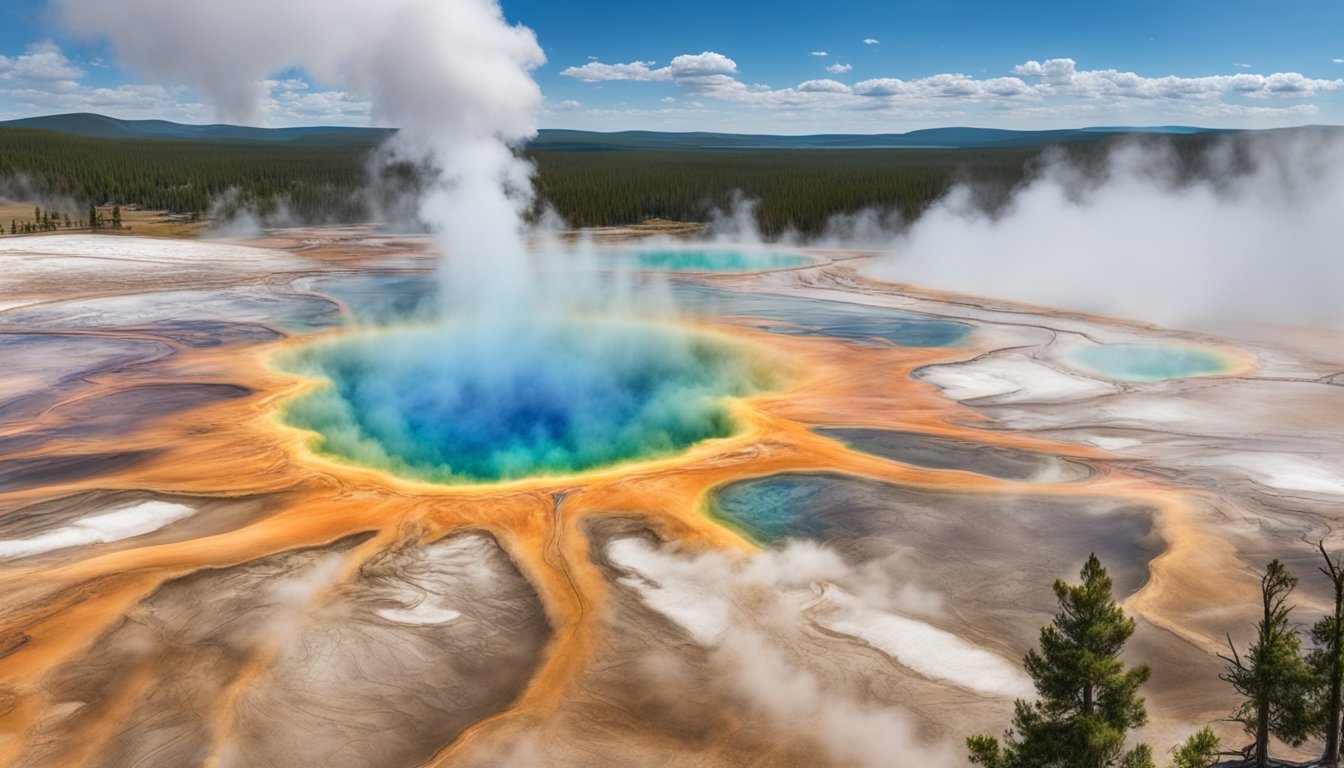
Yellowstone is not just a national park; it’s a living masterpiece of natural grandeur. Picture vibrant hot springs shimmering in vivid hues of blue, green, and orange. Geysers shoot towering jets of steam into the sky, their whistles carrying across the crisp morning air. At dawn, as the mist rolls through the valleys, the landscape feels otherworldly—a seamless tapestry of rugged mountains, dense forests, and sprawling meadows teeming with life.
Standing at the edge of the Grand Prismatic Spring, the largest hot spring in the United States, the colors appear almost surreal, like a painter’s boldest dream brought to life. The surreal combination of thermal features and pristine wilderness stirs a primal connection to the Earth, an awe that lingers long after visitors leave. For anyone seeking to get closer to nature’s most spectacular performances, Yellowstone offers a front-row seat.
Echoes of the Past: Unraveling Yellowstone’s History
Yellowstone’s history is as rich and dynamic as its landscape. Established in 1872, it holds the distinction of being the world’s first national park, a title that cemented its role as a global pioneer in conservation. Spearheaded by explorers, naturalists, and a government eager to preserve the wonders of the American West, Yellowstone became a symbol of the movement to protect natural treasures for future generations.
One unforgettable anecdote involves the iconic Hayden Expedition of 1871. This group of scientists, artists, and photographers presented Congress with images and samples of geothermal marvels, convincing lawmakers of the area’s unique value. It is largely because of these efforts that the park’s geysers, canyons, and wildlife are preserved today.
More than just a haven for geological wonders, Yellowstone also tells the story of human connection to the land. Indigenous peoples, such as the Crow and Shoshone tribes, lived and thrived in the region long before it became protected territory. Their intimate relationship with the ecosystem still resonates, as modern conservation efforts often draw from their traditional practices. For today’s visitors, this history isn’t just a backdrop—it’s woven into Yellowstone’s very soul.
Where Wildlife Roams: Encounters That Inspire
Yellowstone is one of the most wildlife-rich places in the United States, offering opportunities to observe a wide variety of species in their natural habitats. The sprawling Lamar Valley, often referred to as “America’s Serengeti,” is a prime location for spotting large herds of bison, with their thunderous movements rippling across the plains. Wolves move stealthily among the trees here, tracing the paths carved out by their ancestors.
Elsewhere, near Hayden Valley, visitors may see elk grazing peacefully in golden meadows, while grizzly and black bears forage along forest edges. Birdwatchers can marvel at bald eagles soaring overhead or listen to the haunting calls of sandhill cranes.
For those eager to experience these moments responsibly, a few guidelines are key. Keep a safe distance—at least 100 yards for bears and wolves, and 25 yards for other species. Bring binoculars or a camera with a zoom lens to capture memories without disturbing the animals. Visitors play a critical role in preserving this delicate ecosystem by minimizing human interference.
There’s nothing like watching a bison cross a frost-covered valley at sunrise or hearing the distant howl of wolves in the evening. These are the moments that leave visitors in awe and foster a deeper respect for the wilderness.
Thrills and Serenity: Crafting the Ideal Adventure
Yellowstone caters to adventurers and peace-seekers alike, offering a range of activities that showcase its diverse landscapes. Hiking enthusiasts will find trails to match any skill level, from the easy boardwalks near Old Faithful to more challenging treks, like the exhilarating climb up Mount Washburn, which rewards hikers with panoramic views of the park.
For those drawn to the water, kayaking and fishing are popular pursuits, particularly in Yellowstone Lake, where the calm, clear waters mirror the surrounding peaks. Wildlife enthusiasts visiting in the spring or fall can enjoy prime opportunities to watch animals such as bears and elk during their most active seasons. Winter, meanwhile, transforms the park into a snow-covered wonderland, ideal for cross-country skiing and snowshoeing.
Beyond outdoor activities, lodging plays an important role in rounding out the experience. Whether staying in rustic cabins near geyser basins or contemporary accommodations, many visitors opt to stay in vacation rentals Yellowstone for their comfort and proximity to key attractions.
For a quieter experience, consider exploring the lesser-visited areas, such as Bechler Meadows, where waterfalls and thermal streams create a scene of tranquility. Watching the sun rise from Artist Point or enjoying the peaceful solitude of Yellowstone Lake at dusk offers moments of serenity to complement the park’s thrilling adventures.
Forever Changed by Nature’s Splendor
Yellowstone doesn’t merely offer an escape into unspoiled beauty—it transforms the way visitors perceive the natural world. Standing in the shadow of erupting geysers or gazing at wildlife in their element evokes a profound sense of wonder and responsibility. The park is a vivid reminder of Earth’s enduring gifts and the need to carefully steward them.
Its beauty isn’t fleeting; it’s the kind that lingers in the heart long after the visit ends, inspiring a drive to protect such treasures. When you tread softly on its trails or watch a bison graze in golden sunlight, you become part of a legacy that connects generations through shared admiration for the world’s natural wonders.
For those willing to leave behind the chaos of modern life, Yellowstone offers a precious invitation: to reconnect with nature, one breathtaking moment at a time. Let that call inspire your next journey into the wild unknown.