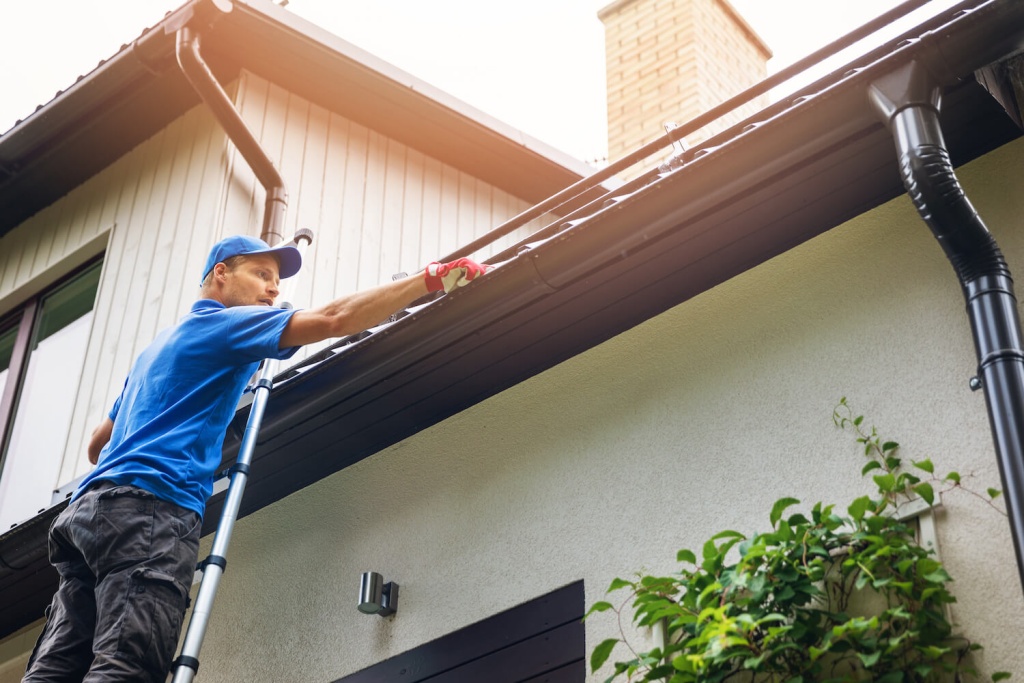
When you’re thinking about keeping your basement dry, the roof might not be the first thing you think of. We get it- why look up when you’re thinking about down? While it might seem counterintuitive, where the rainwater that hits your roof ends up is every bit as much of a concern as pressure from the soil or a burst pipe.
Sources of Basement Flooding
Water finds its way into your basement from various sources, most of them connected to the soil around your foundations. This soil will always contain a certain amount of water, but when it gets too much, it can overwhelm your defenses and find a way in. It’s particularly likely to happen if:
- Heavy rain overwhelms your drainage systems
- Your home has poor grading and water is allowed to collect against the walls
- Hydrostatic pressure builds and forces water through cracks and pores in the concrete
- Blocked or badly installed gutters don’t carry rainwater safely away.
Why Managing Water Away from the Foundation Matters
Waterproofing is generally a bit of a misnomer. You can’t stop the rain from falling, but what you can do is offer it an easier path to where it can do no harm. When it comes to keeping your basement dry, this is what we’re really aiming for in most cases (both inside and out).
Water always follows the path of least resistance and systems like guttering or interior perimeter drains offer just this. They allow water to be guided away from your foundations and avoid issues like mold, cracking or even subsidence happening in the first place.
The Role Of Gutters in Rainwater Management
Most of the water that you want to keep out of your basement comes from the rain. The part of your home that takes the brunt of that April shower is your roof.
If there’s nothing to control where that water goes once it hits your home, it will pour off the edge and collect against the bottom of your walls. From here, it will find tiny pores in your foundation walls and you end up with puddles, mold, cracks and all the other issues that come from failing waterproofing.
What Gutters Do
Luckily, gutters stop this happening. When water hits your roof, it rolls down the tiles or shingles. It’s then caught by your gutters where it can flow harmlessly away towards your downspouts. These are connected to the drains. This means that the runoff from your roof doesn’t get the chance to pool near the foundations, threatening your basement.
Key Components
Gutter systems are made up of a few simple parts:
- Gutter channels: long lengths of open pipe that collect runoff from your roof.
- Downspouts: Vertical drainpipes which ensure the water collected by your gutters flows harmlessly away
- Splash blocks: Sections of channel which have an ‘end’. These stop rain from flowing out of the end of your system.
Some systems my incorporate extra features like leaf or debris guards. These aim to keep detritus out of your guttering and avoid blockages which would render the system ineffective.
Can Gutters Alone Prevent Basement Flooding?
The short answer to “can gutters alone stop my basement flooding?” is: maybe. They’re a vital part (perhaps the most vital) of any water management system, but sometimes you’ll need extra steps too, depending on your home and location.
Benefits of Gutters
When it comes to managing rain runoff from your roof, there’s simply nothing more effective than well maintained gutters. They protect your foundation from excess moisture and minimize soil erosion, protecting you from water pooling against your walls.
Limitations of Gutters
Like any system, guttering has its problems too.
Firstly, they’re prone to clogging as leaves and other debris finds its way in. Cleaning them out is an easy task, but it’s also a vital one as blockages will lead to overflows.
While they’re absolutely brilliant at dealing with runoff from roofs, they don’t address water from other sources at all. If you have a high or false water table or cracks in your basement, you’ll need other methods to deal with them. In these cases, a professional sump pump installation is probably a good investment.
Of course, a system is only ever as good as its installation. A misaligned bracket can cause your guttering to become a bit of a liability rather than a saviour as water collects rather than flows away. Likewise, neglecting the maintenance can lead to blockages and holes forming, letting water get where it shouldn’t be.
Proper Gutter Installation and Maintenance
To avoid these problems, ensure that the following tips are followed:
Installation Best Practice
- Ensure correct slope and pitch to allow water to flow away efficiently
- Downspouts should direct water at least 6-10 feet away from your property
- Make use of extensions and underground drainage systems for better management.
Maintenance Tips
- Clean gutters twice a year to remove leaves, clogs and debris
- Inspect for sagging, leaks and disconnected downspouts
- Install gutter guards to reduce the need for cleaning and prevent blockages.
Gutters as Part of a Comprehensive Waterproofing Strategy
While gutters are a key part of waterproofing your home, they’re usually not enough by themselves. Waterproofing requires a collection of systems to protect your basement for it to be truly comprehensive.
Integrating French drains (both interior and exterior), sump pumps and exterior waterproofing methods like wrapping will net much better results. Likewise, the best gutters in the world won’t save your foundations if the grading is poor. The aim of all of these systems is to move water away and the more strings to your bow, the better.
While gutters are great for dealing with exterior issues, you’ll also want to consider the interior. Seepage and leaks from within will need an easy way out. Things like interior perimeter drains and dehumidifiers are well worth considering too.
All of these extra systems are even more important in places which suffer from high water tables or particularly severe hydrostatic pressure.
Signs That Gutters Might Be Causing Basement Flooding
As we mentioned above, gutters are only as good as their installation and maintenance routines. Signs that they’re going wrong include:
- Overflowing: This suggests there’s a clog somewhere along the line.
- Water pooling near your foundation: This suggests your downspouts aren’t working or there are insufficient extensions in place.
- Foundation cracks: Rainwater can force its way through the smallest gaps. Over time, these gaps will erode and expand.
- Soil erosion: Poorly managed rainwater can move and erode the soil around your home. This will damage your grading and lead to an increased risk of flooding.
Common Myths
Myth: Gutters Guarantee No Flooding
There are never any guarantees, but gutters certainly can help. That being said, they’re only part of the solution. They deal with a specific problem, but they don’t touch some other common causes of flooding.
Myth: Larger Gutters are Always Better
It’s important to install the right sized guttering for your roof and local rainfall levels. Too big and you’re wasting money and losing efficiency. Too small and they’ll overflow during storms.
Myth: Gutter Guards Eliminate All Maintenance
They’re good, but they’re not magic. Gutter guards will vastly reduce how often you need to get the ladder out, but you will still need to occasionally check and clear your gutters.
Steps to Maximize Gutter Effectiveness
- Ensure proper slopes, size and positioning. The aim is to collect and divert as much runoff as possible.
- Combine with other methods. For a nice dry basement, you might need other systems too.
- Invest in inspections. Not just for your gutters but your other waterproofing systems too. Catching issues early can save you a lot of money.
When To Call A Professional
If you’re facing persistent moisture and water management issues, despite nice clean gutters, call in the pros. Likewise, if you discover cracks forming in your basement or water seepage during heavy rains, it’s time to invest in an upgrade.
Calling in a reputable firm of waterproofers allows you to build a detailed picture of the issues you’re facing. They’ll be able to advise you on what’s working and what needs improvement, building a custom plan of action, tailored to your home’s needs.