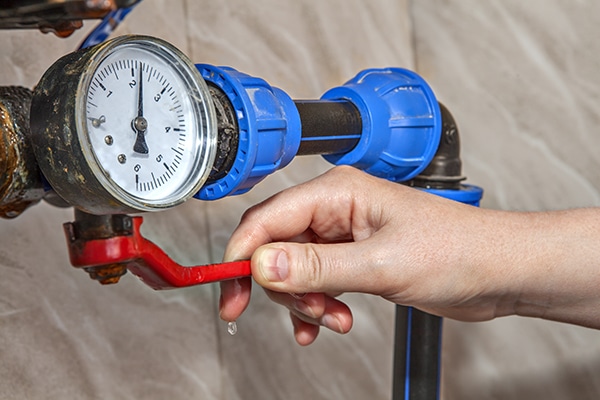
Water emergencies, such as burst pipes or leaky appliances, can strike unexpectedly, causing costly damage if not managed swiftly. The main water shut-off valve is a crucial tool for protecting your home, allowing you to stop the water supply during emergencies or repairs. Mastering its location, operation, and maintenance is essential for every homeowner.
What Is the Main Water Shut-Off Valve?
The main water shut-off valve controls the flow of water entering your home. Located where the main water line connects to your property, this valve lets you completely stop water flow when necessary.
There are two common types of shut-off valves:
- Gate Valve: Operated by turning a wheel, this traditional option is durable but requires periodic maintenance.
- Ball Valve: Equipped with a lever, it offers a quick and efficient shut-off mechanism, ideal for emergencies.
Both types serve their purpose, but regular inspections ensure they function effectively when needed.
Why Is Locating Your Shut-Off Valve Important?
Water leaks or flooding can escalate rapidly, causing extensive damage to floors, walls, and belongings. Being able to quickly locate and operate your shut-off valve can significantly reduce the impact of these incidents.
If you’re new to your home, prioritize finding this valve. It’s often located in basements, garages, or outside near the water meter. Label the valve clearly to ensure everyone in your household can access it easily during an emergency.
Steps to Use the Main Water Shut-Off Valve
To handle water emergencies effectively, follow these steps:
- Locate the Valve: Identify its location and remove any obstructions.
- Inspect the Valve: Check for rust, leaks, or wear that might impede operation.
- Test Regularly: Turn the valve on and off occasionally to ensure smooth operation.
- Educate Your Household: Make sure everyone knows where the valve is and how to use it.
When operating the valve, avoid applying excessive force to prevent damage to the mechanism.
Maintaining Your Shut-Off Valve
Proper care ensures the valve remains functional. Consider these tips:
- Apply Lubrication: Prevent rust and ensure smooth operation by using a suitable lubricant.
- Insulate in Cold Climates: Protect the valve and nearby pipes from freezing with proper insulation.
- Inspect for Leaks: Regularly check the area around the valve for seepage or corrosion.
- Upgrade When Necessary: Replace outdated valves with modern ball valves for better reliability and ease of use.
When to Call a Professional
If the valve is stuck, leaking, or failing to completely stop water flow, consult a plumber. People also opt for an affordable water softener for their clean water needs and save money in the long-term.
Enhancing Your Emergency Preparedness
Your shut-off valve is one part of a broader emergency water management strategy. Consider additional measures:
- Install Secondary Shut-Off Valves: Equip appliances and fixtures with their own valves to isolate issues without cutting off water to the entire house.
- Monitor Water Pressure: High pressure can increase the risk of leaks; use a regulator to maintain safe levels.
- Use Smart Technology: Smart shut-off systems offer remote operation and leak detection, adding convenience and peace of mind.
Conclusion
Understanding and maintaining your main water shut-off valve is essential for protecting your home from water damage. By regularly inspecting and testing the valve, educating your household, and integrating additional safeguards like smart technology, you can respond effectively to emergencies and enjoy greater peace of mind. Being proactive about water management will not only prevent costly repairs but also enhance your home’s overall safety.